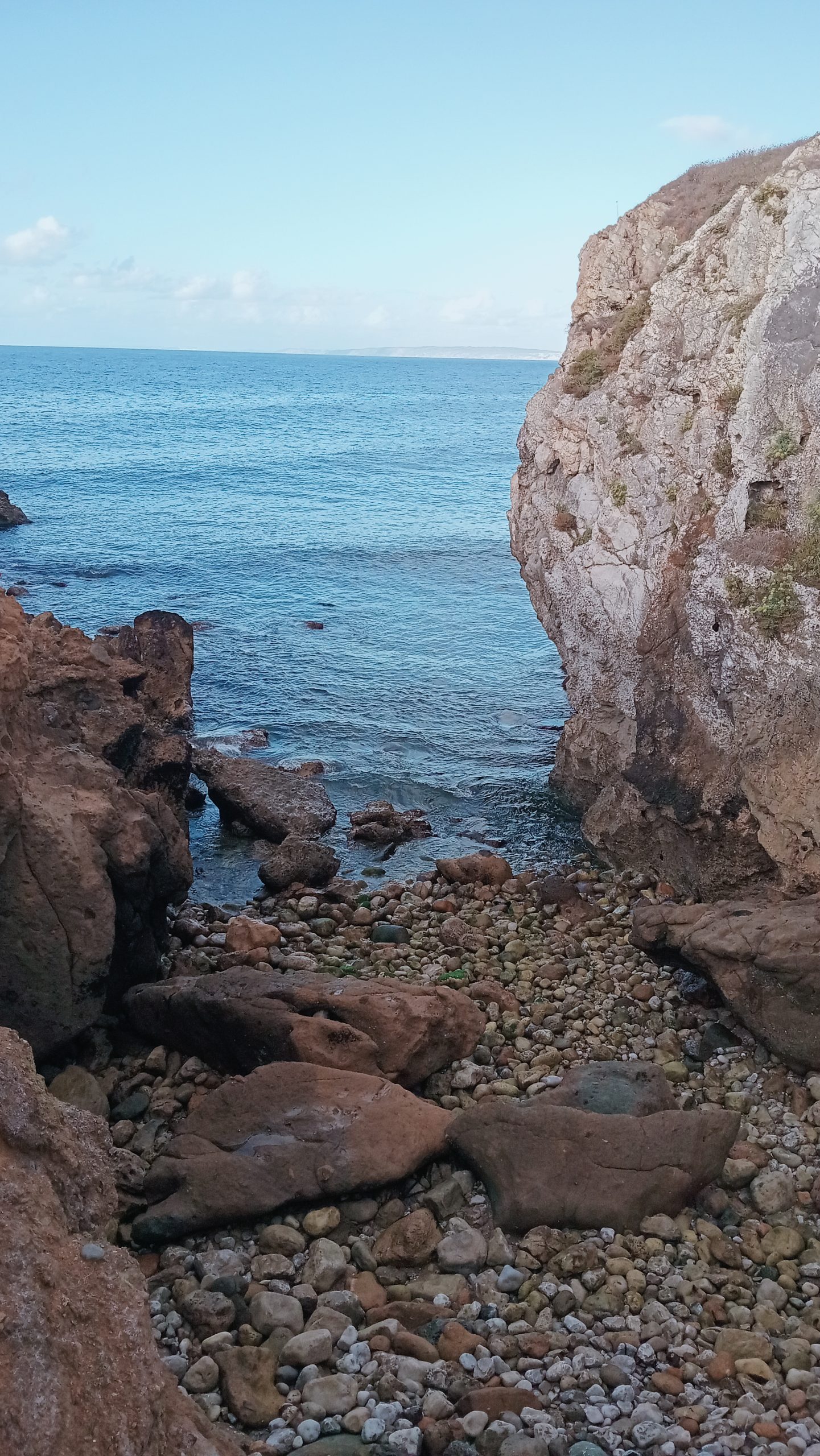
Portugal’s West region stretches across the northern part of the Lisbon district and the southern part of the Leiria district. Bordered by the Atlantic Ocean to the west and the Tagus River floodplains to the east, it is made up of 12 municipalities that form the Intermunicipal Community of the West: Alcobaça, Alenquer, Arruda dos Vinhos, Bombarral, Cadaval, Caldas da Rainha, Lourinhã, Nazaré, Óbidos, Peniche, Sobral de Monte Agraço and Torres Vedras.
We’ve been wanting to explore this region more thoroughly for a long time. With its rich history, diverse landscapes and countless places to discover, the West has plenty to offer. On this trip, we decided to focus on three of its destinations: Peniche, Óbidos and Nazaré.
After arriving in Peniche and spending the night there, we dedicated our first day to exploring Berlenga Island.
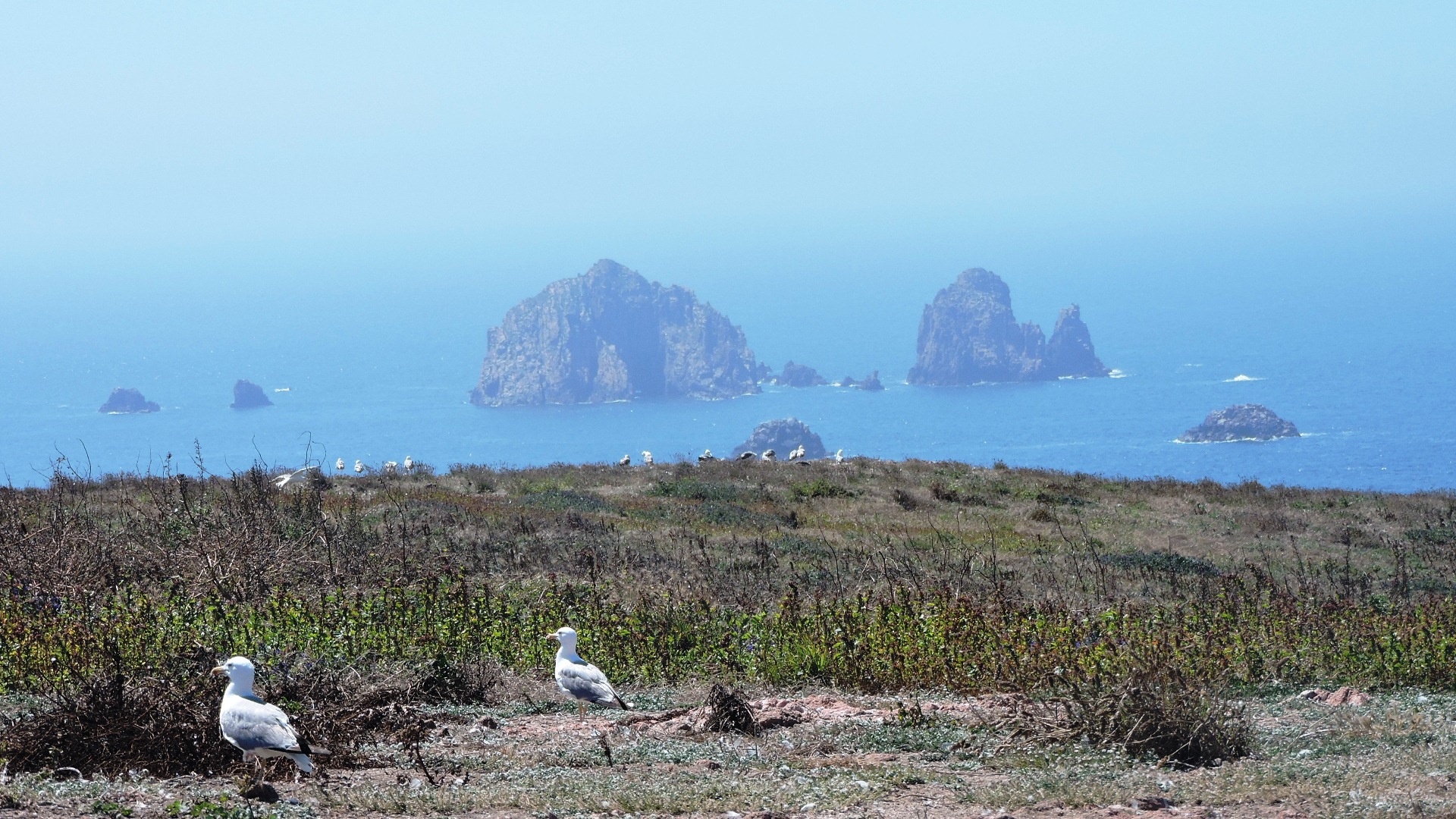
Berlenga is part of the Berlengas Archipelago, located off the west coast of Portugal, northwest of Cabo Carvoeiro. The archipelago comprises Berlenga Island and two groups of smaller islands and islets, Estelas and Farilhões. Of these, only Berlenga is open to visitors, with a daily limit of 550 people.
The archipelago has been a Nature Reserve since 1981, recognised for its ecological importance. It provides an important nesting area for seabirds, some of which are threatened, and is home to endemic plant species and a rich marine ecosystem. Its environmental significance has since gained further recognition at both European and international levels. The Berlengas are part of the Natura 2000 Network and a Special Protection Area for Birds, and were designated a UNESCO World Biosphere Reserve in 2011.
The symbol of the Nature Reserve is the common murre (Uria aalge), a seabird that resembles a penguin and once nested on Berlenga Island.
Despite its natural character, the archipelago also bears the marks of human presence throughout history. Two notable examples are the Fort of São João Baptista and the underwater archaeological heritage found in its surrounding waters.
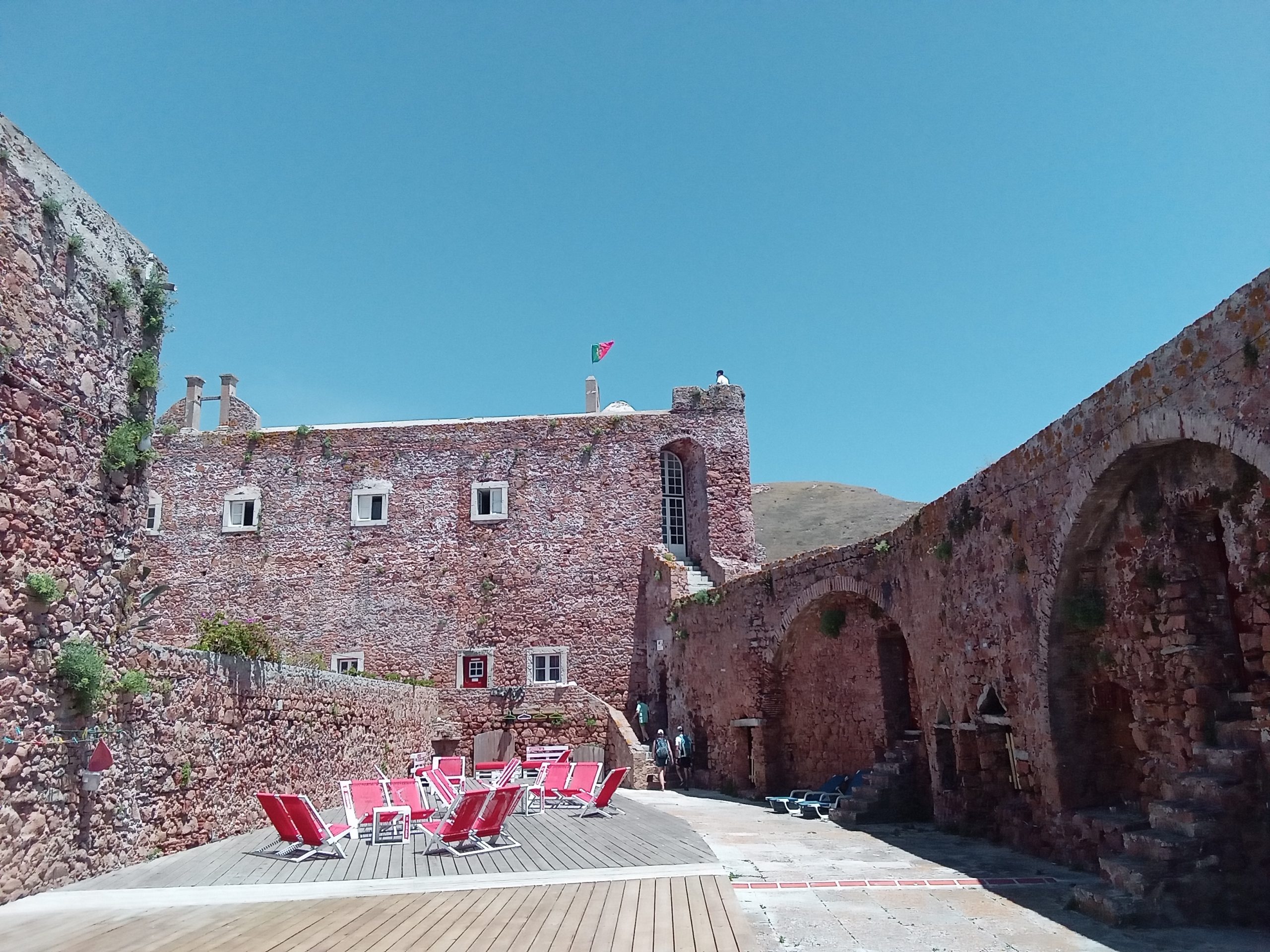
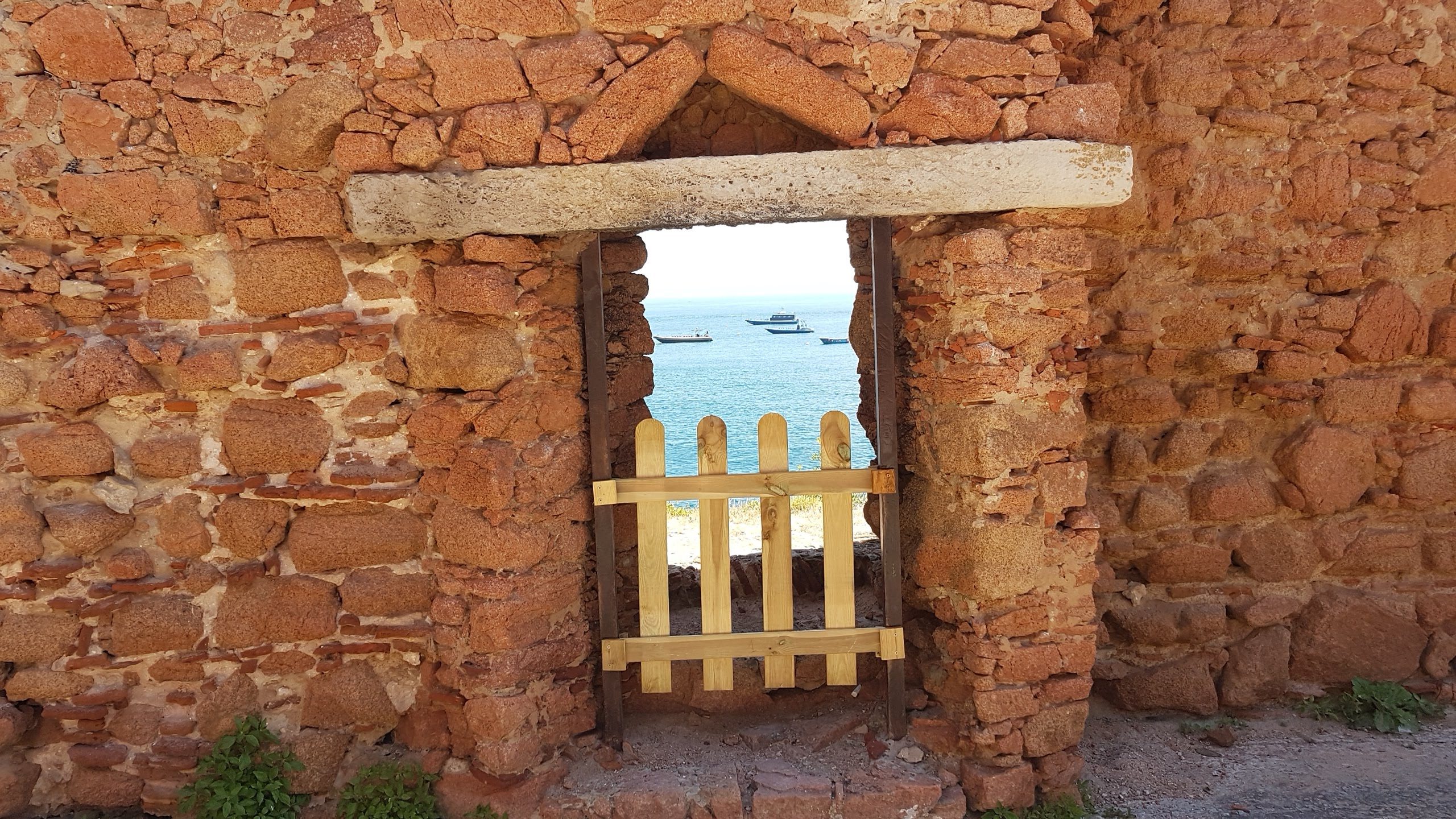
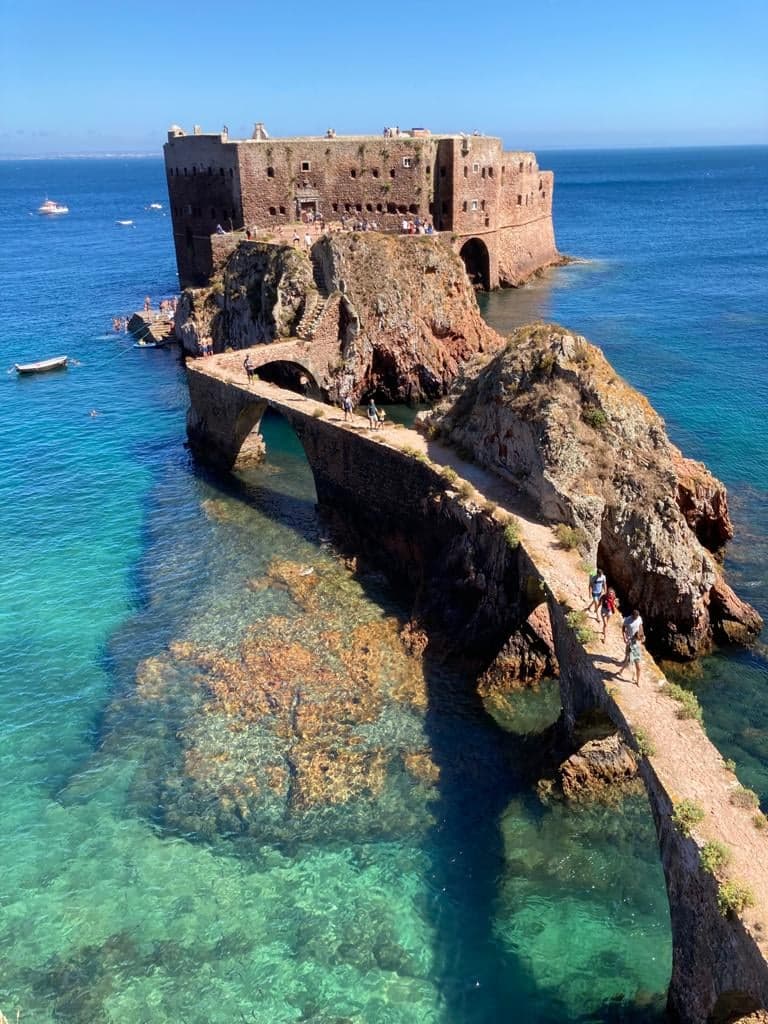
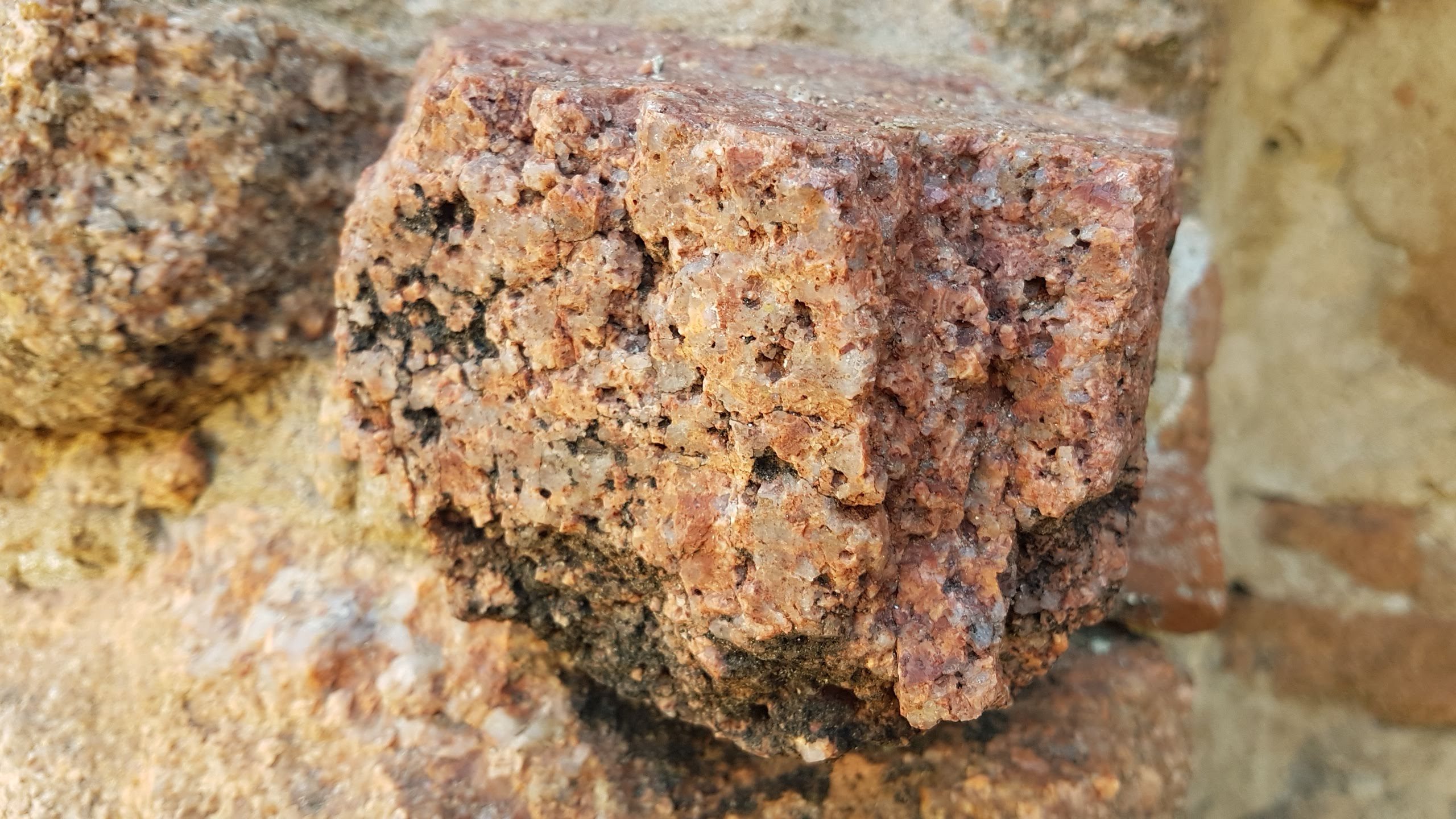
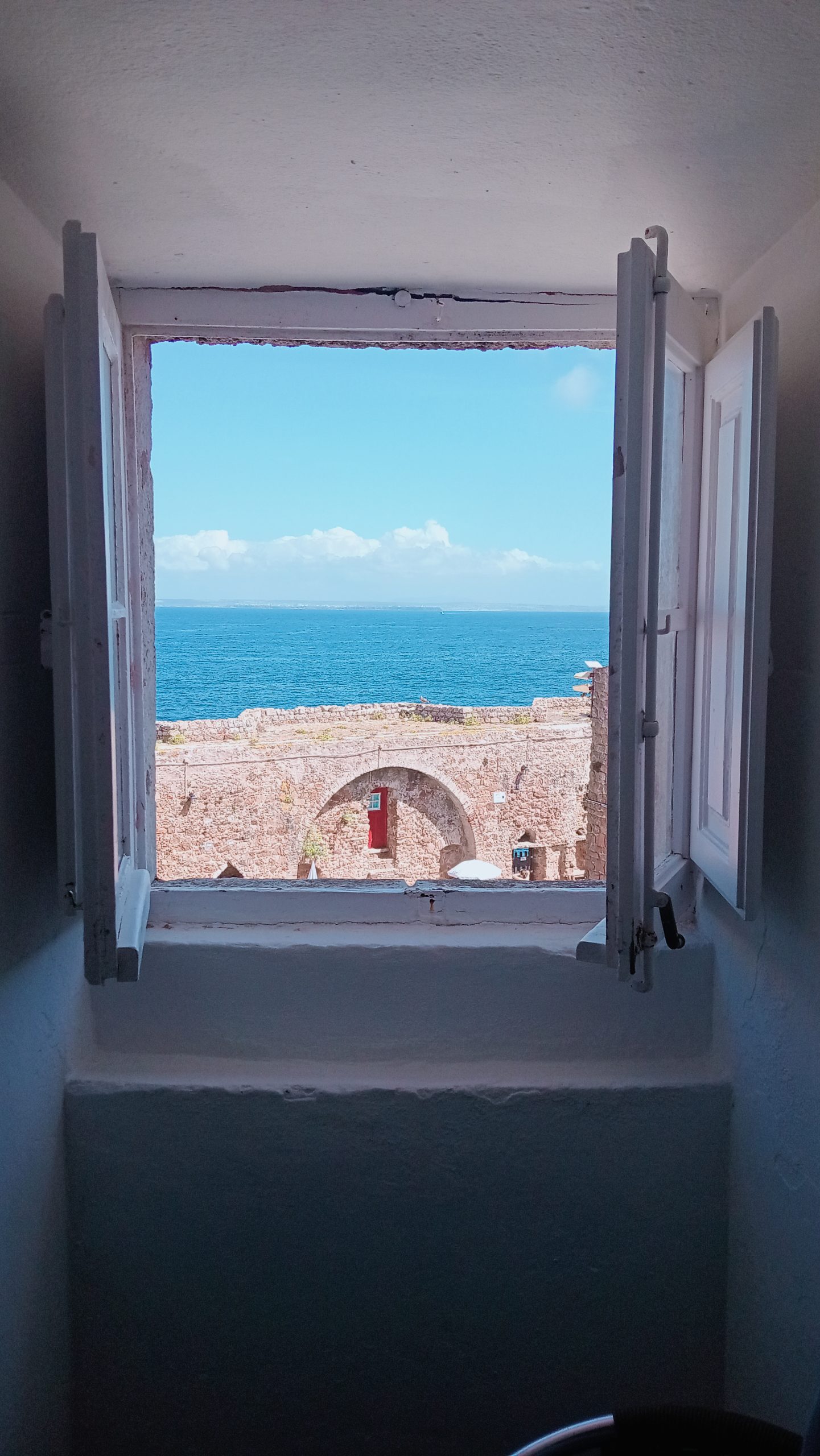
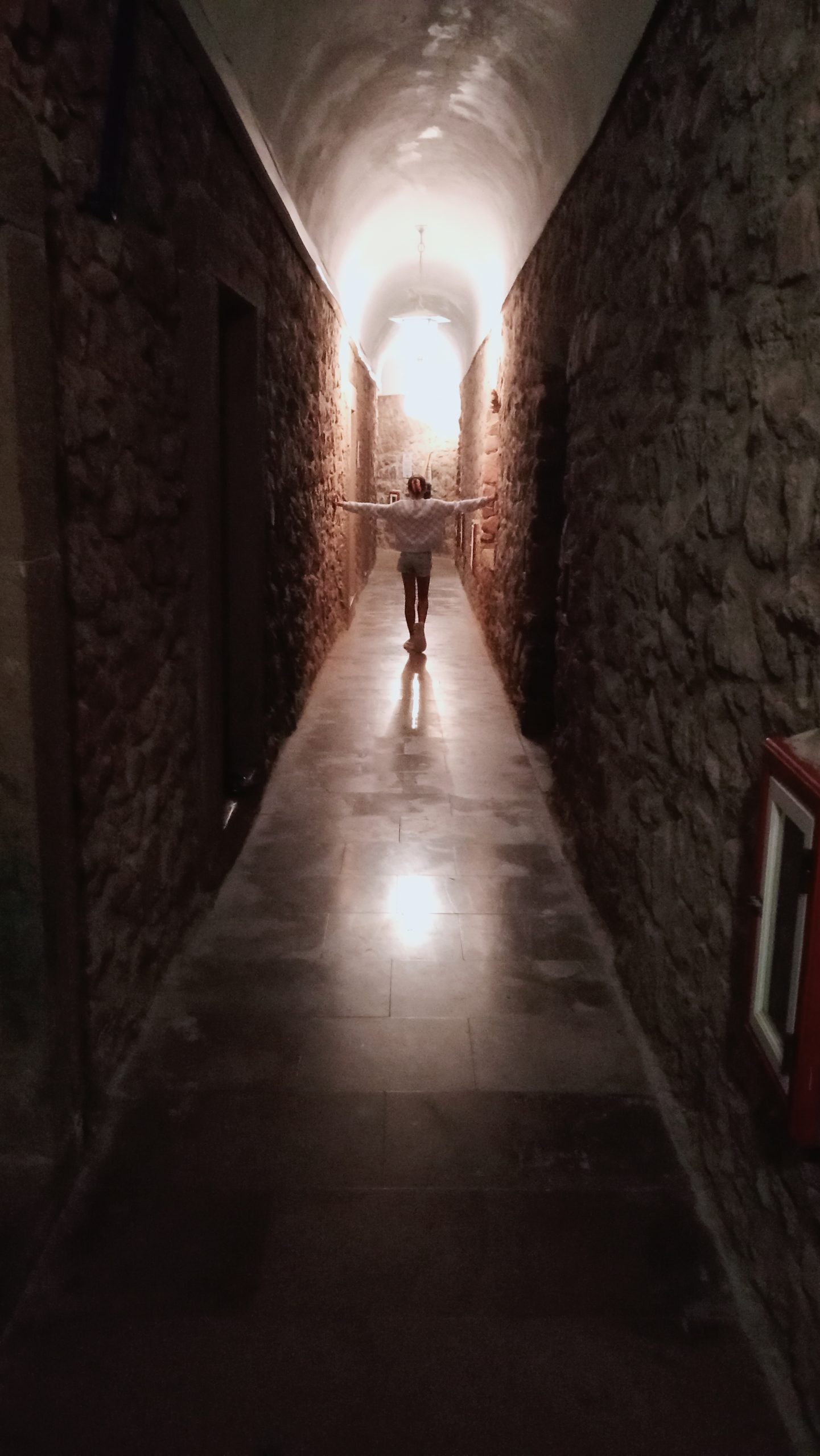
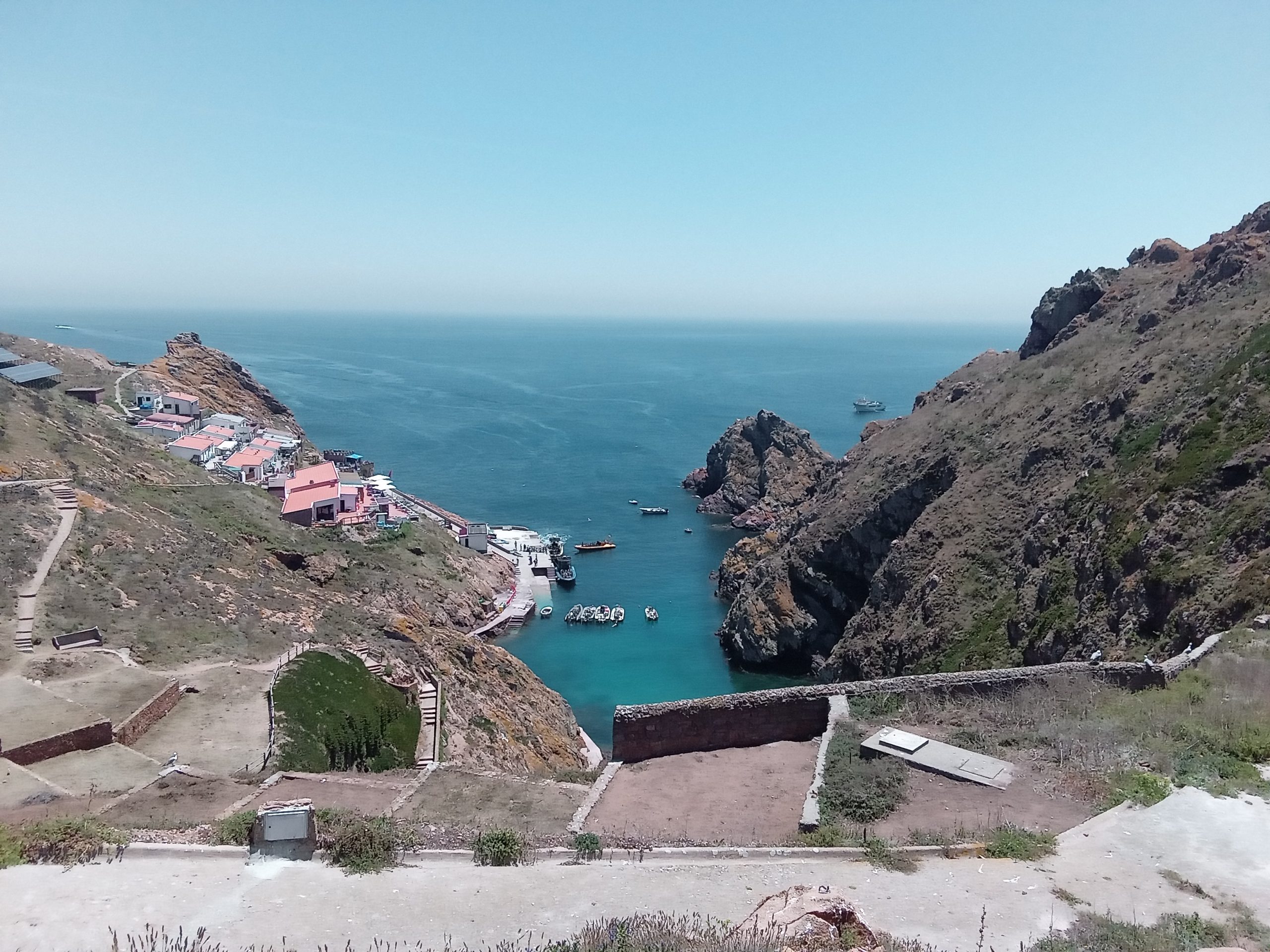
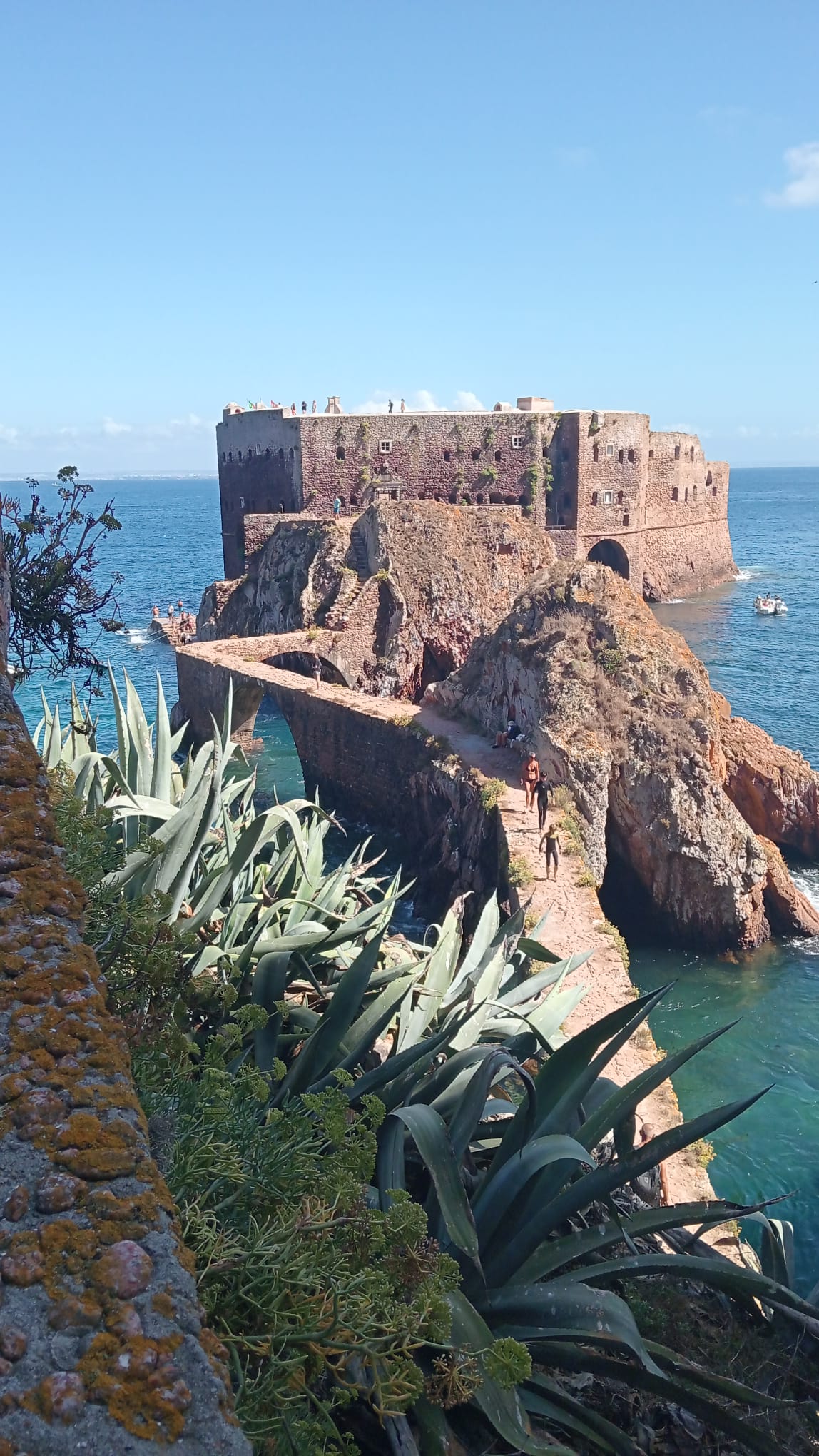
The Fort of São João Baptista is a military fortress built to strengthen coastal defences against pirates, privateers and other enemy forces. Construction began in 1651, during the reign of King João IV, and was completed in 1656. The fortress has an irregular octagonal layout and was built using the pink granite found on the island. It stands on a small rocky islet connected to Berlenga by a masonry bridge with arches, creating one of the island’s most photographed views.
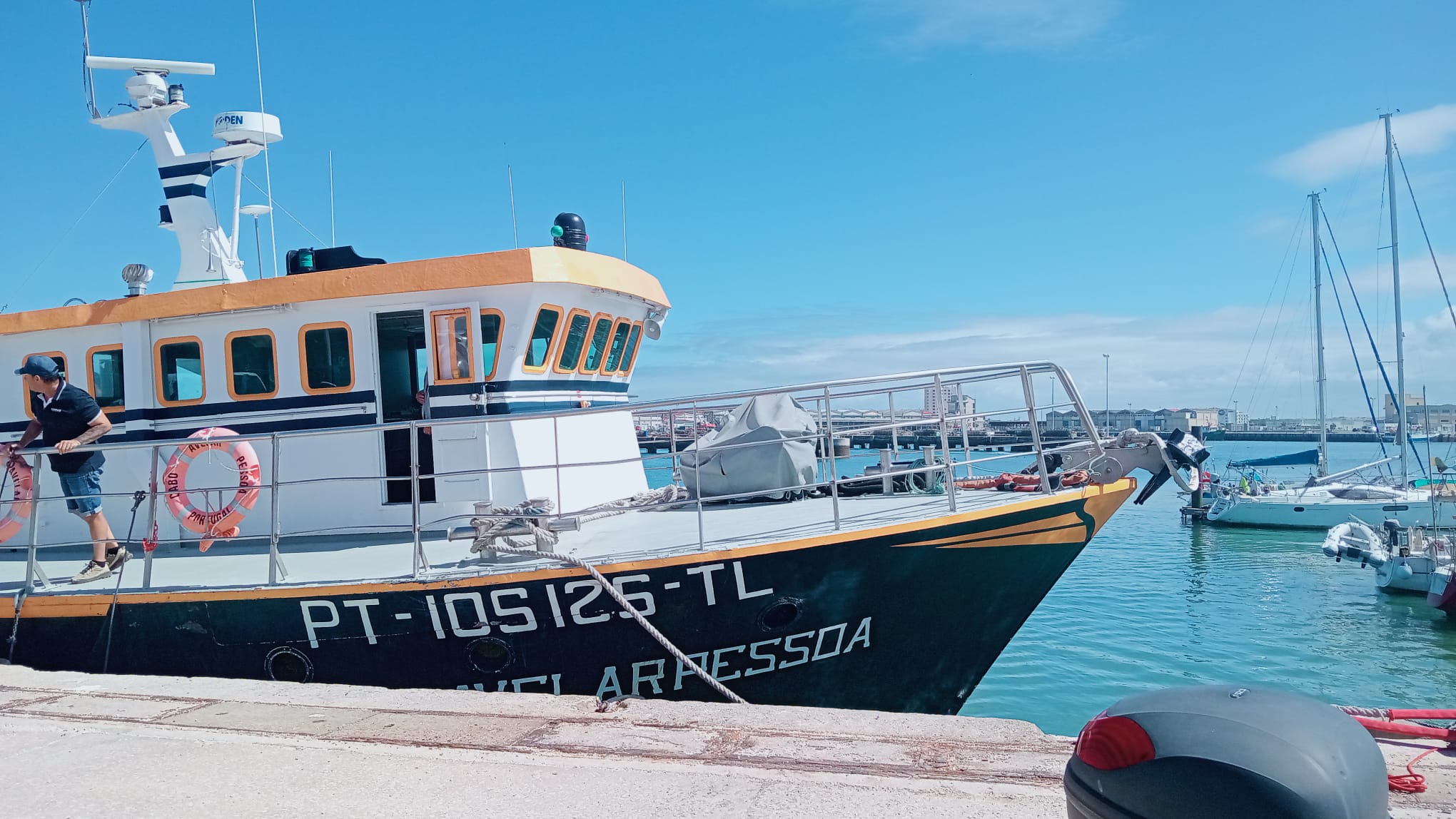
One of the most remarkable episodes in its history was the Battle of Berlengas, fought in June 1666. A Spanish fleet of fourteen warships and a caravel, commanded by Diego de Ibarra, attacked the fortress. At the time, it was defended by a small Portuguese garrison led by Commander António Avelar Pessoa. Despite being heavily outnumbered, the Portuguese soldiers resisted the attack for two days, inflicting considerable losses on the Spanish fleet, including one sunken ship and two severely damaged vessels.
Eventually, the Portuguese ran out of food and ammunition. After a soldier deserted and revealed the garrison’s desperate situation to the Spanish forces, the Portuguese were forced to surrender. This episode remains one of the most remarkable moments in the military history of the Berlengas.
After losing its military importance, the fort was eventually abandoned. In the twentieth century, it was restored and converted into an inn, which welcomed visitors between 1953 and 1971. Today, it is classified as a National Monument and continues to welcome visitors, offering accommodation on the island.
The waters surrounding the Berlengas also hold an important underwater archaeological heritage. The remains of ancient shipwrecks suggest that the archipelago was once a strategic point along maritime trade routes connecting the Mediterranean with northern Europe.
One of the best-known underwater sites is the wreck of the Spanish ship Covadonga, which attracts divers interested in exploring the island’s rich underwater heritage. The clear waters and diverse marine life make the Berlengas a particularly appealing destination for diving enthusiasts.
The Fishermen’s Quarter, also known as the Comandante Andrade e Silva neighbourhood, was built in the 1940s to provide shelter for the fishermen who worked seasonally around the island. It is a small cluster of houses that served as a resting place for fishermen during periods when they remained on Berlenga rather than returning to the mainland.
The neighbourhood remains a reminder of the close relationship between the island and its fishing community, whose presence has shaped the human landscape of the Berlengas over the years.
The waters surrounding the archipelago are highly productive and support a variety of fish species with considerable commercial value. In the past, fishing practices included destructive techniques such as the use of dynamite and bottom trawling, which had a significant impact on marine ecosystems. These practices were subsequently prohibited, and fishing in the area is now subject to strict regulations, with small-scale artisanal fishing playing an important role in the local fishing tradition.
Among the species commonly caught are mackerel, sardines, sea bass and sea bream. Local fishermen often say that the Berlengas has “the best fish in the world”. Small crustaceans known as pilados are also traditionally used as fishing bait.
The Portuguese Society for the Study of Birds (SPEA) has worked alongside local fishermen on conservation projects aimed at understanding and reducing the impact of fishing activities on seabird populations, particularly the accidental capture of birds in fishing gear.
In the area where the campsite is now located once stood the Monastery of Nossa Senhora da Misericórdia. Built in the sixteenth century, during the reign of King Manuel I, it operated between 1513 and 1548 and housed a community of Hieronymite monks. However, frequent attacks by pirates and privateers eventually forced the monks to abandon the monastery.
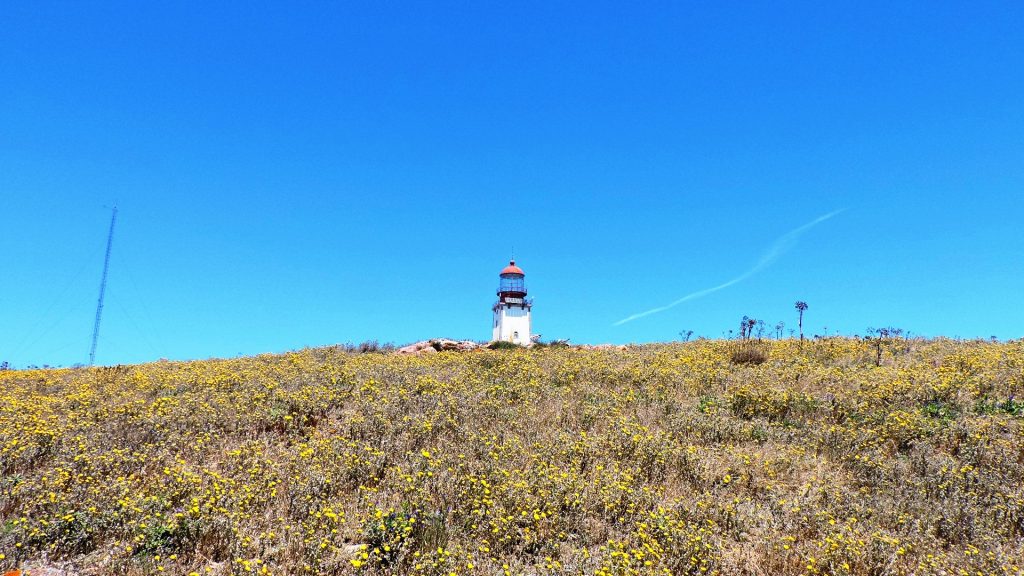
The Duque de Bragança Lighthouse was built by Gaudêncio Fontana between 1839 and 1841, during the reign of Queen Maria II. It stands at the highest point of Berlenga Island, approximately 112 metres above sea level, and was designed to guide ships navigating these waters.
Its light can be seen from up to 27 nautical miles away, making it an important reference point for maritime navigation along this stretch of the Portuguese coast.
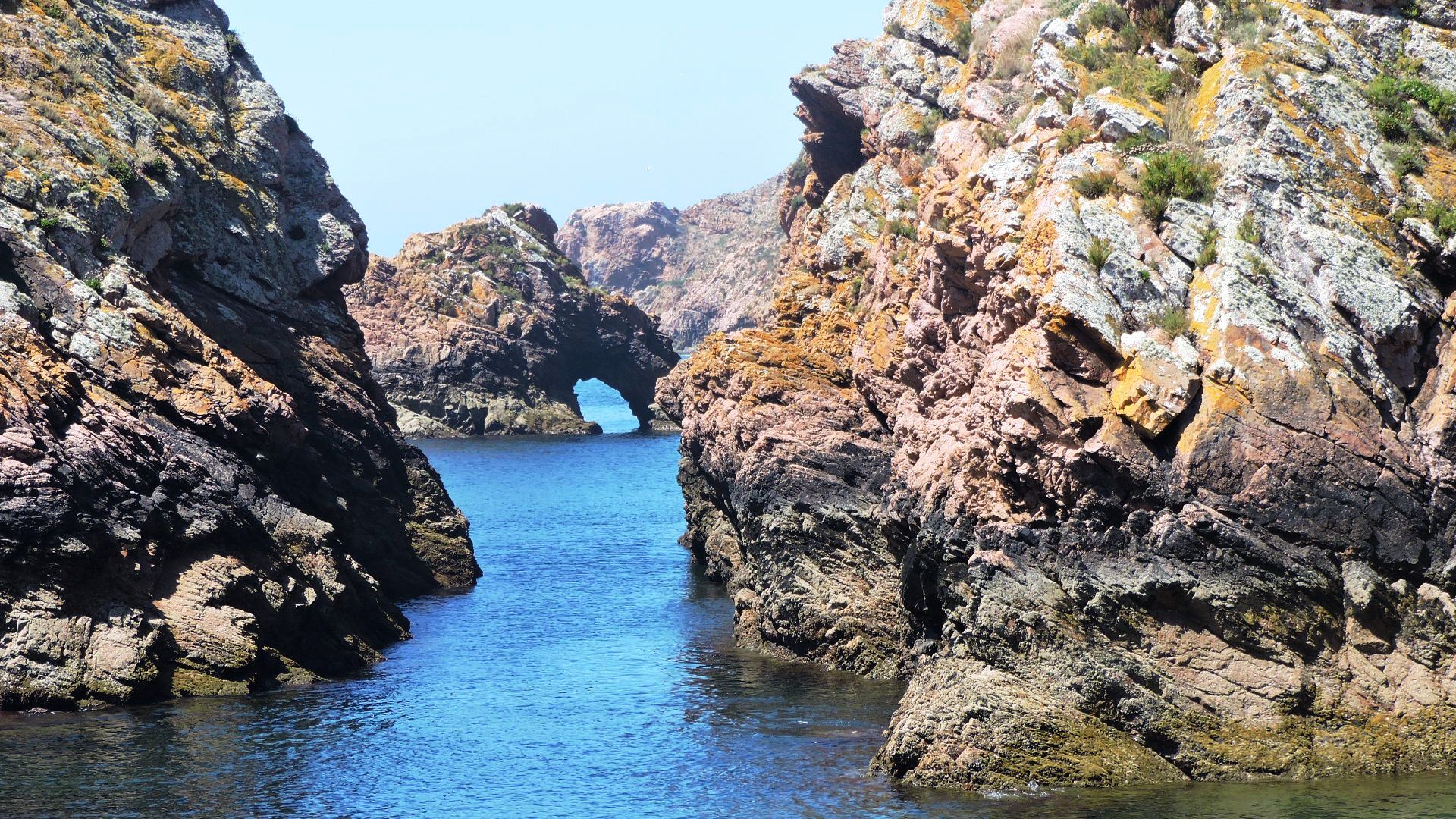
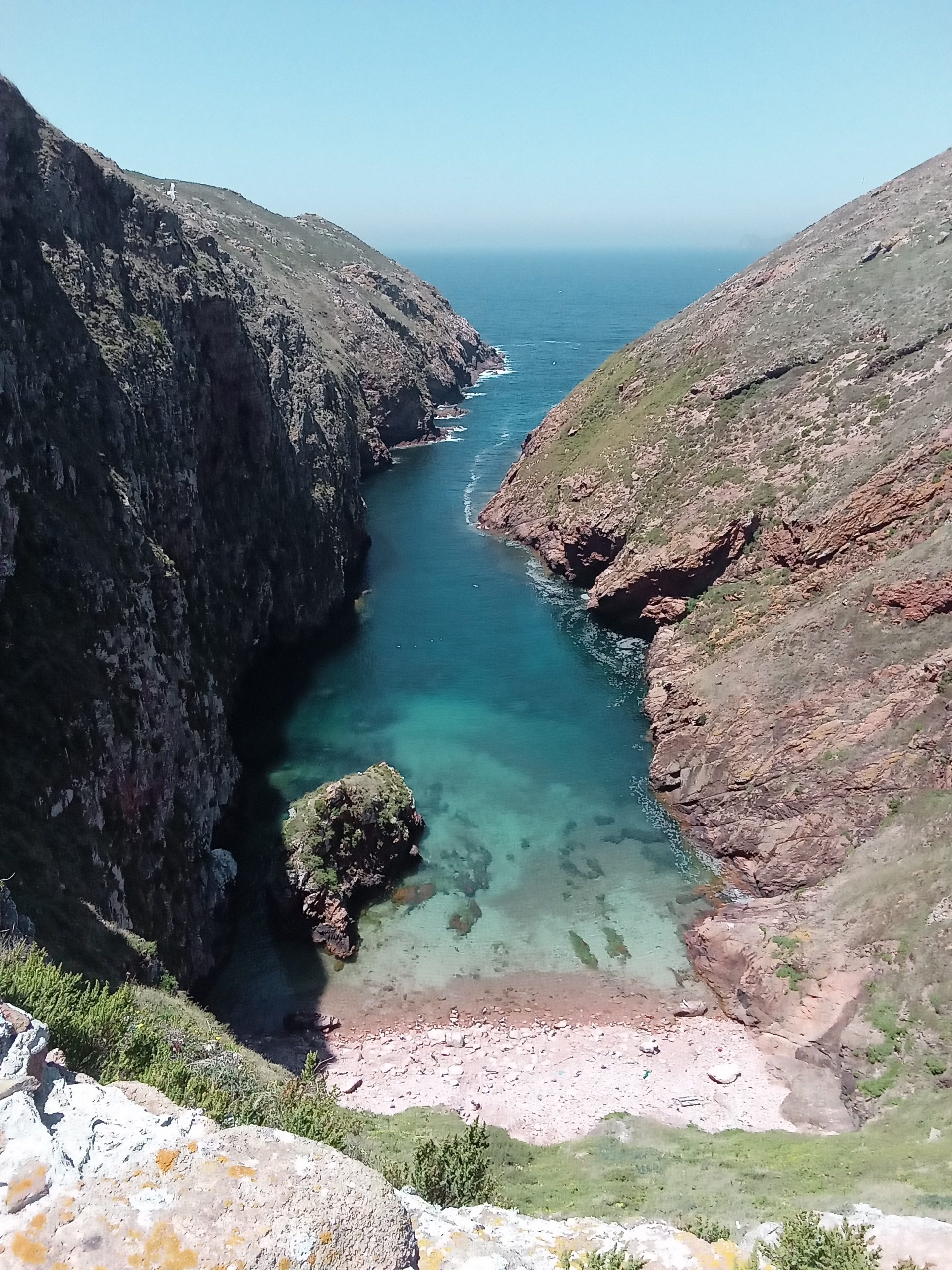
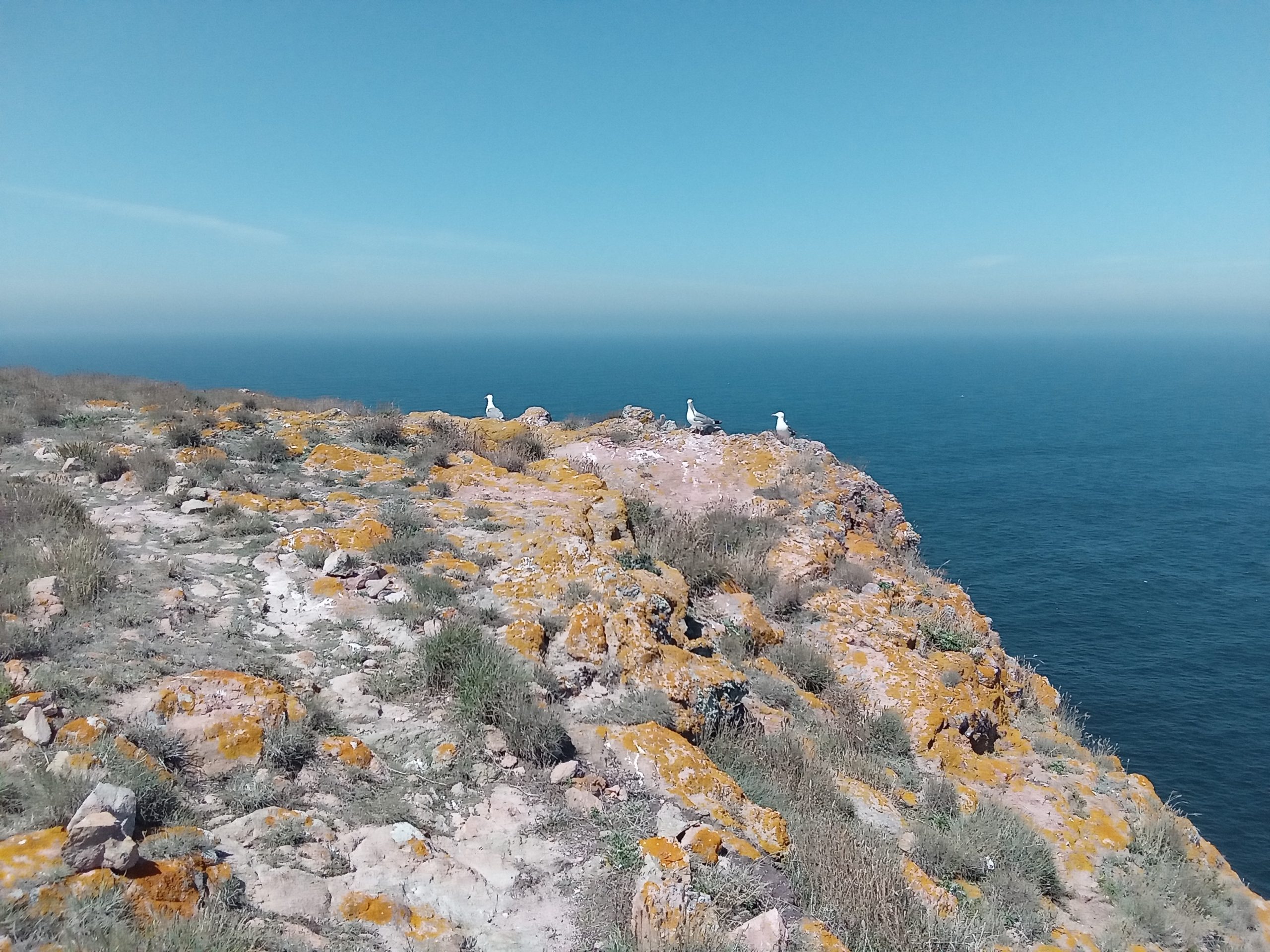
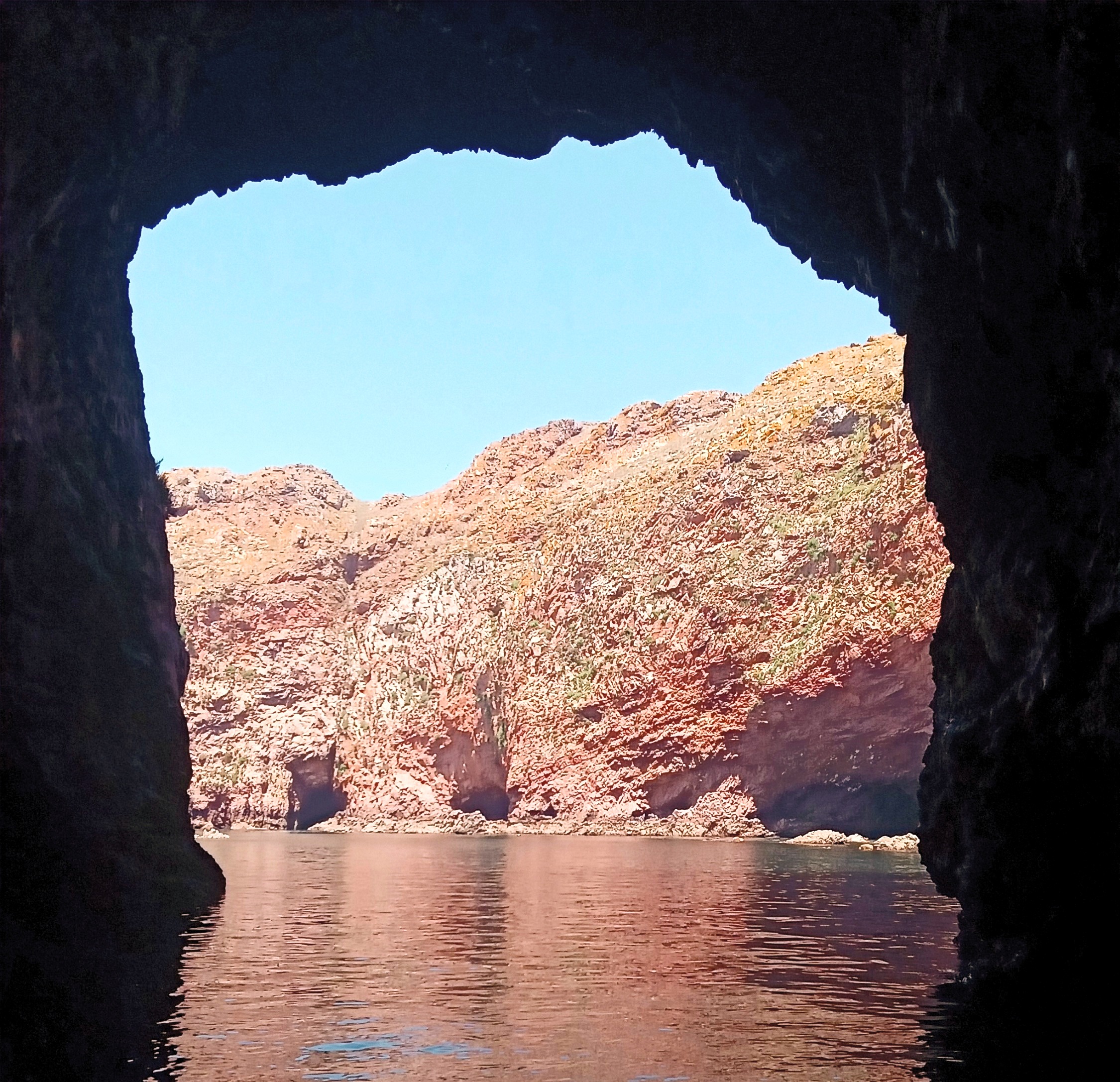
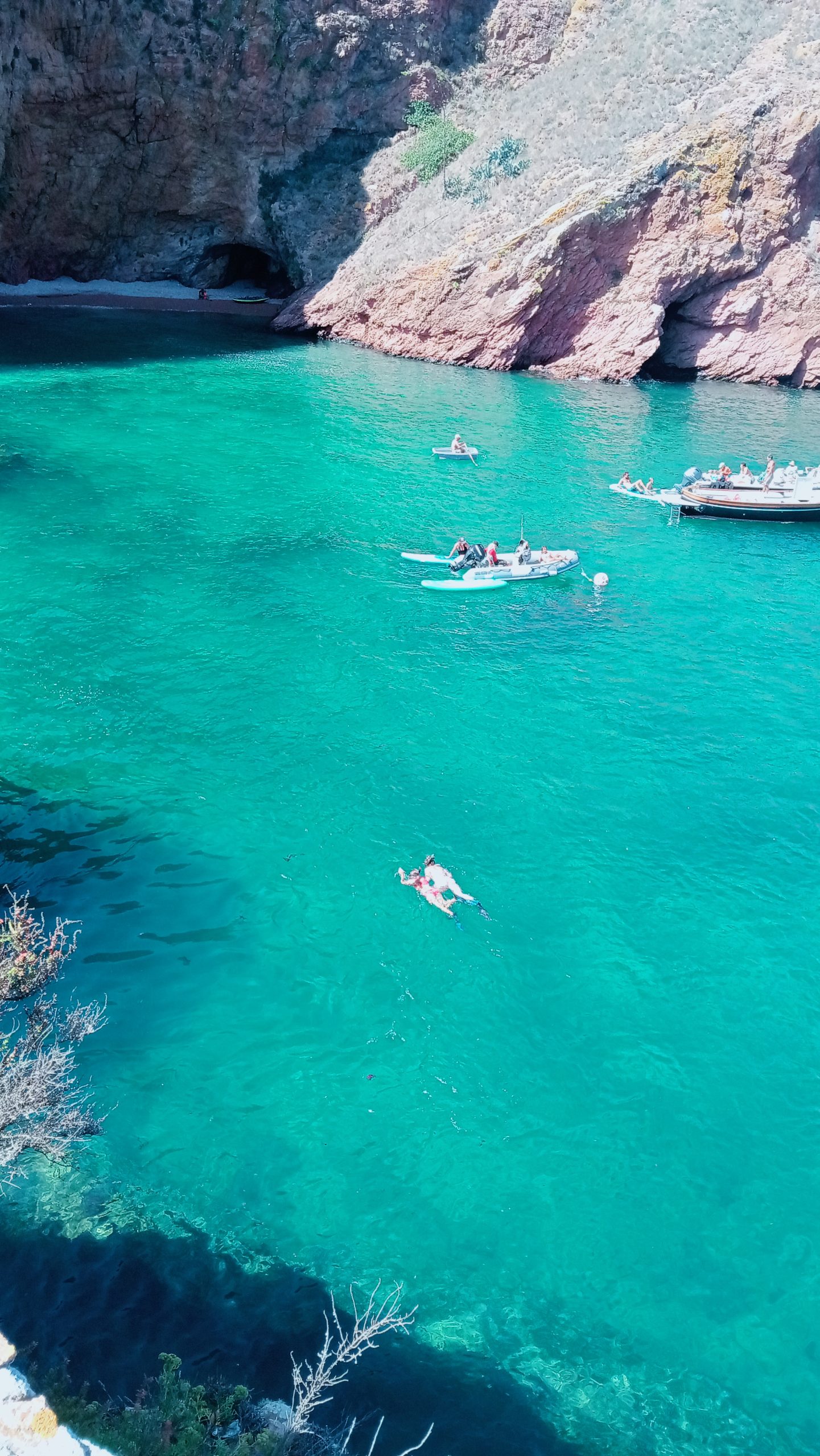
The Berlengas Archipelago is a remarkable geological monument, offering an impressive record of the Earth’s history and the processes involved in the formation of continents and oceans. Its coastline is rugged and irregular, featuring hidden coves, caves, natural cavities, arches, small islets and striking rock formations.
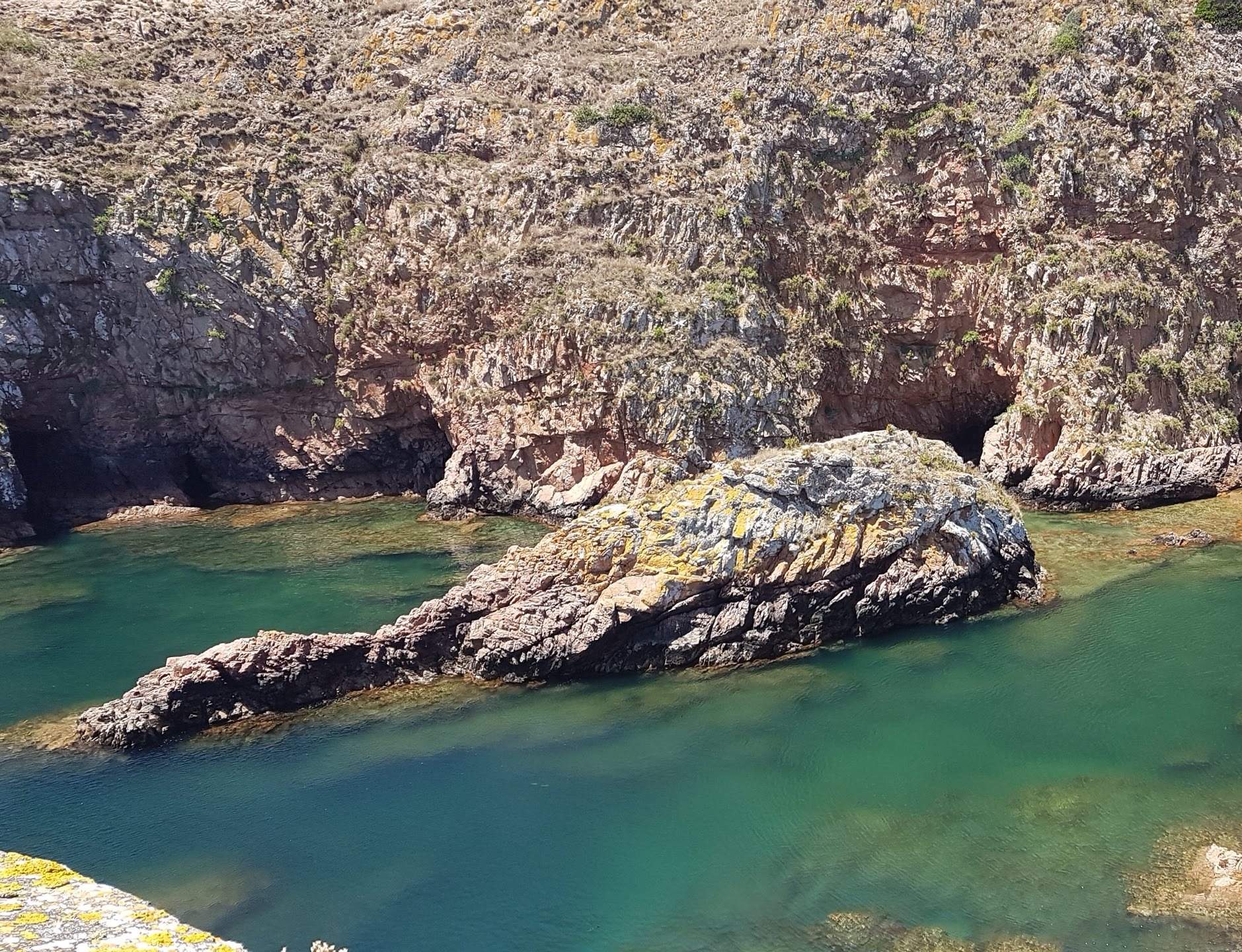
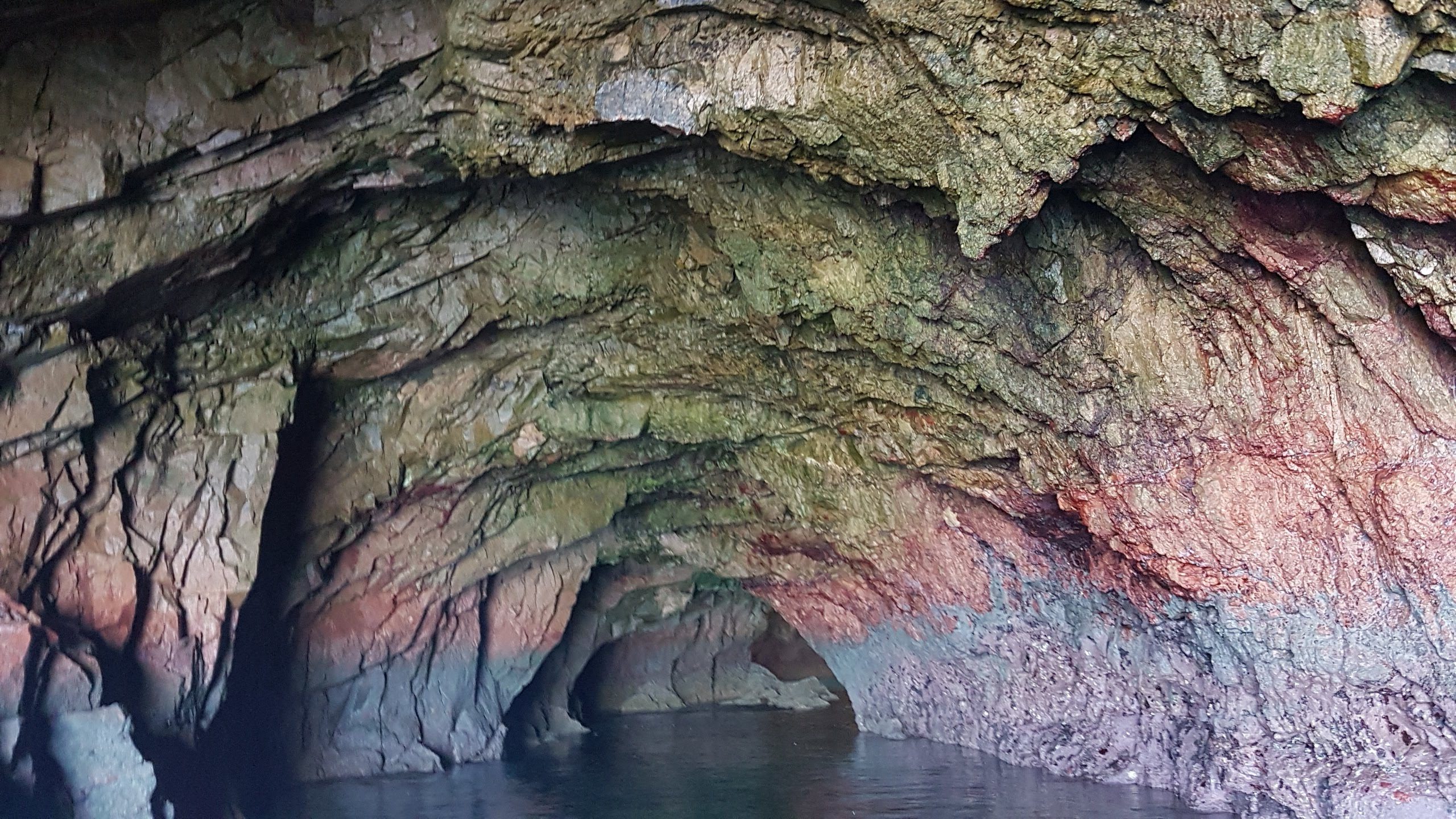
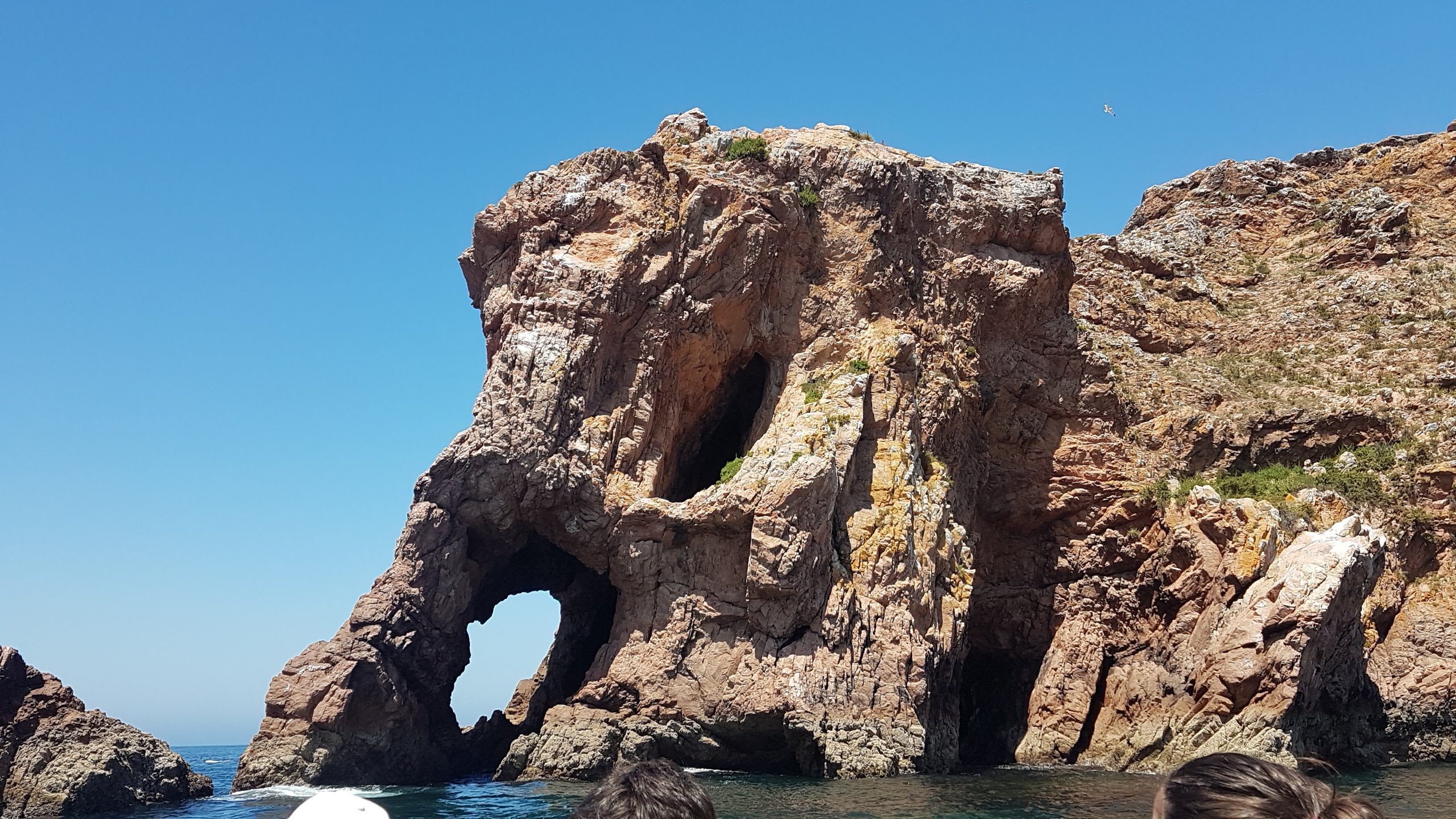
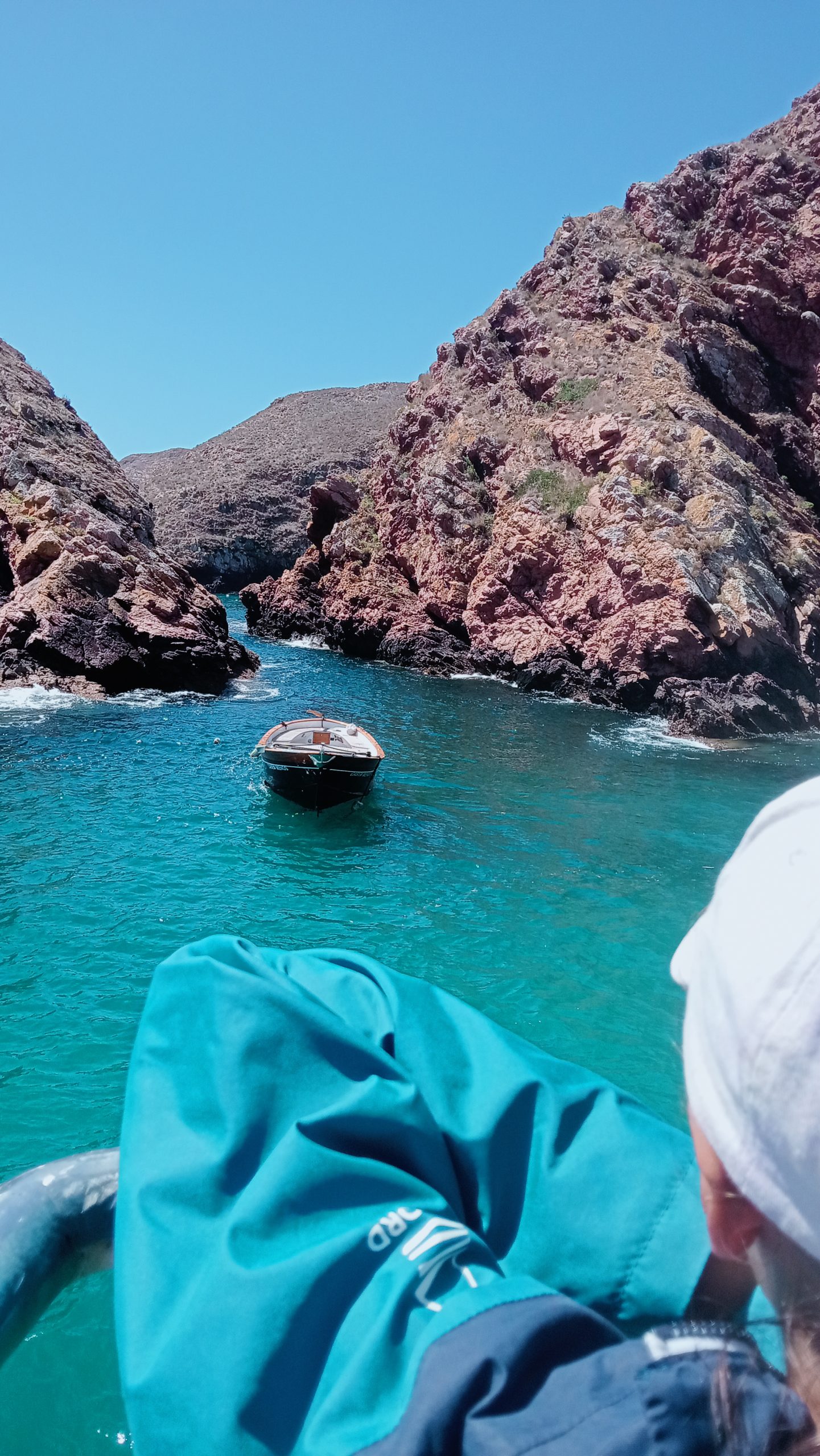
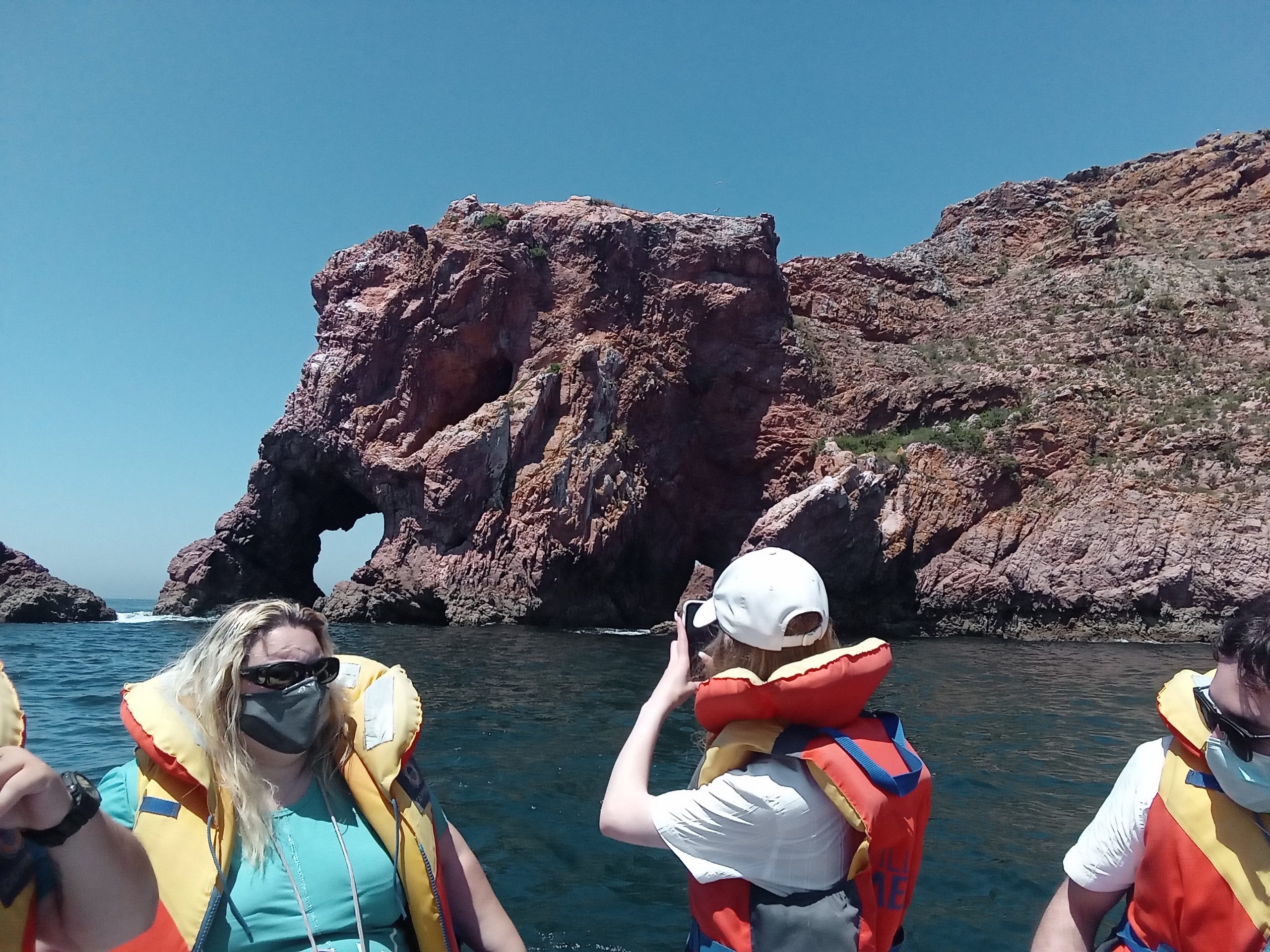
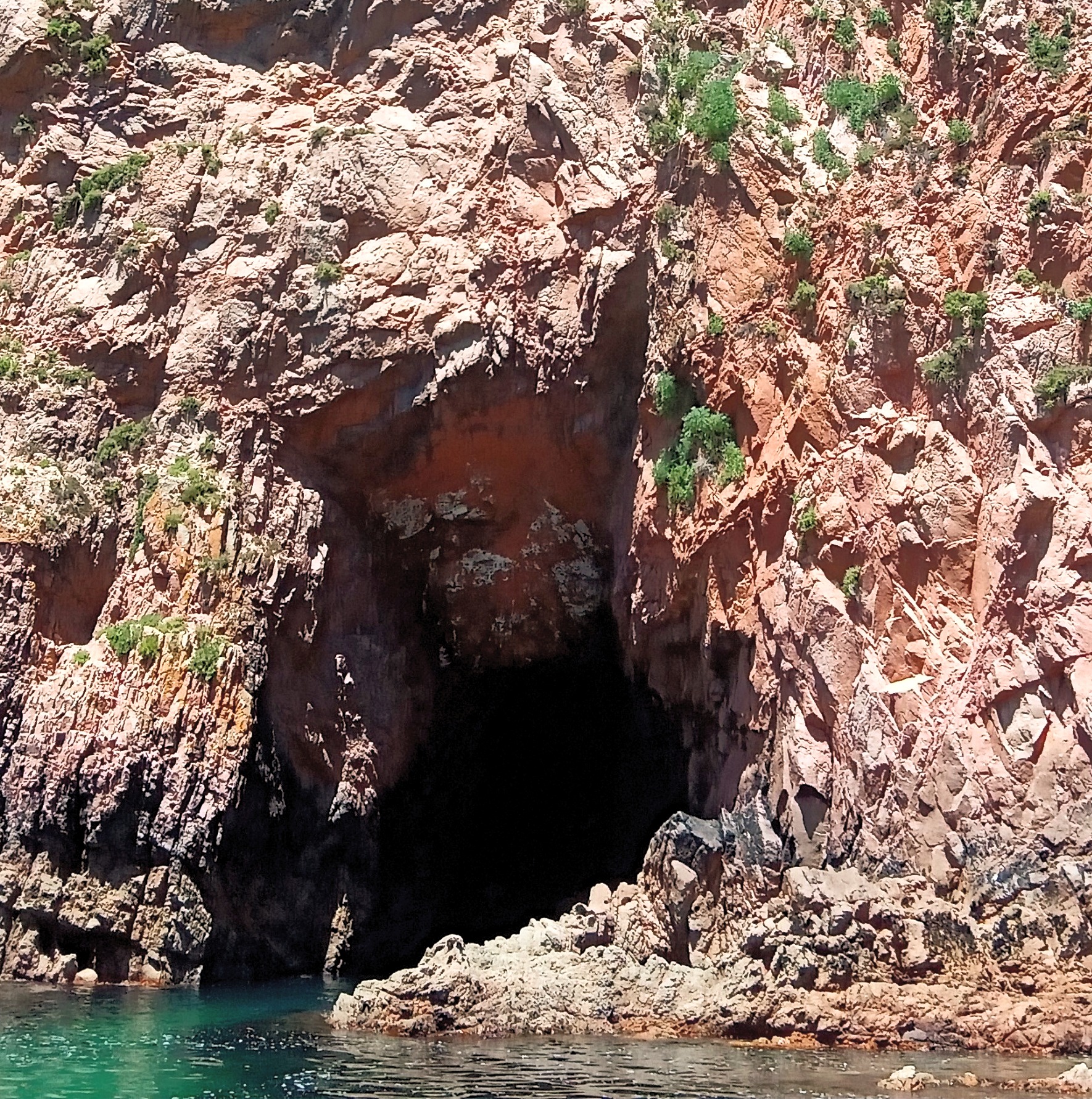
A boat trip around the island and its caves offers the opportunity to admire some of these natural features, including Furado Grande, Furado Seco, Cova do Sono, Cabeça do Elefante (Elephant’s Head), Gruta Azul (Blue Grotto), with various shades due to lichens and Rocha da Baleia (Whale Rock).
Some of the caves are located in the cliffs, approximately 20 to 25 metres above current sea level. Their position suggests that sea levels were once considerably higher, reaching these elevations. Other geological features on the Berlenga plateau, such as marmitas (circular potholes carved into the rock by water and sediment), indicate that parts of the plateau were once shaped by marine erosion, forming an ancient wave-cut platform.
Berlenga Island, also known as Berlenga Grande, is divided into two main sections, almost entirely separated by a geological fault. This natural feature created two narrow channels: Carreiro dos Cações (Dogfish Channel) to the north and Carreiro do Mosteiro (Monastery Channel) to the south.
The larger section, known simply as Berlenga, accounts for more than two-thirds of the island’s total area. The smaller section is called Ilha Velha (Old Island).
Berlenga Grande is home to more than 100 recorded plant species, including several endemic species that have evolved as a result of the island’s isolation and the particular characteristics of its rocky environment. One of the best-known examples is the Berlengas thrift (Armeria berlengensis), a plant found exclusively in this archipelago. The harsh conditions, strong winds, high salinity and lack of soil make it difficult for trees to grow, which explains the almost complete absence of tree vegetation on the island.
The Berlengas are an important sanctuary for seabirds and one of the most significant seabird nesting areas along mainland Portugal’s coast.
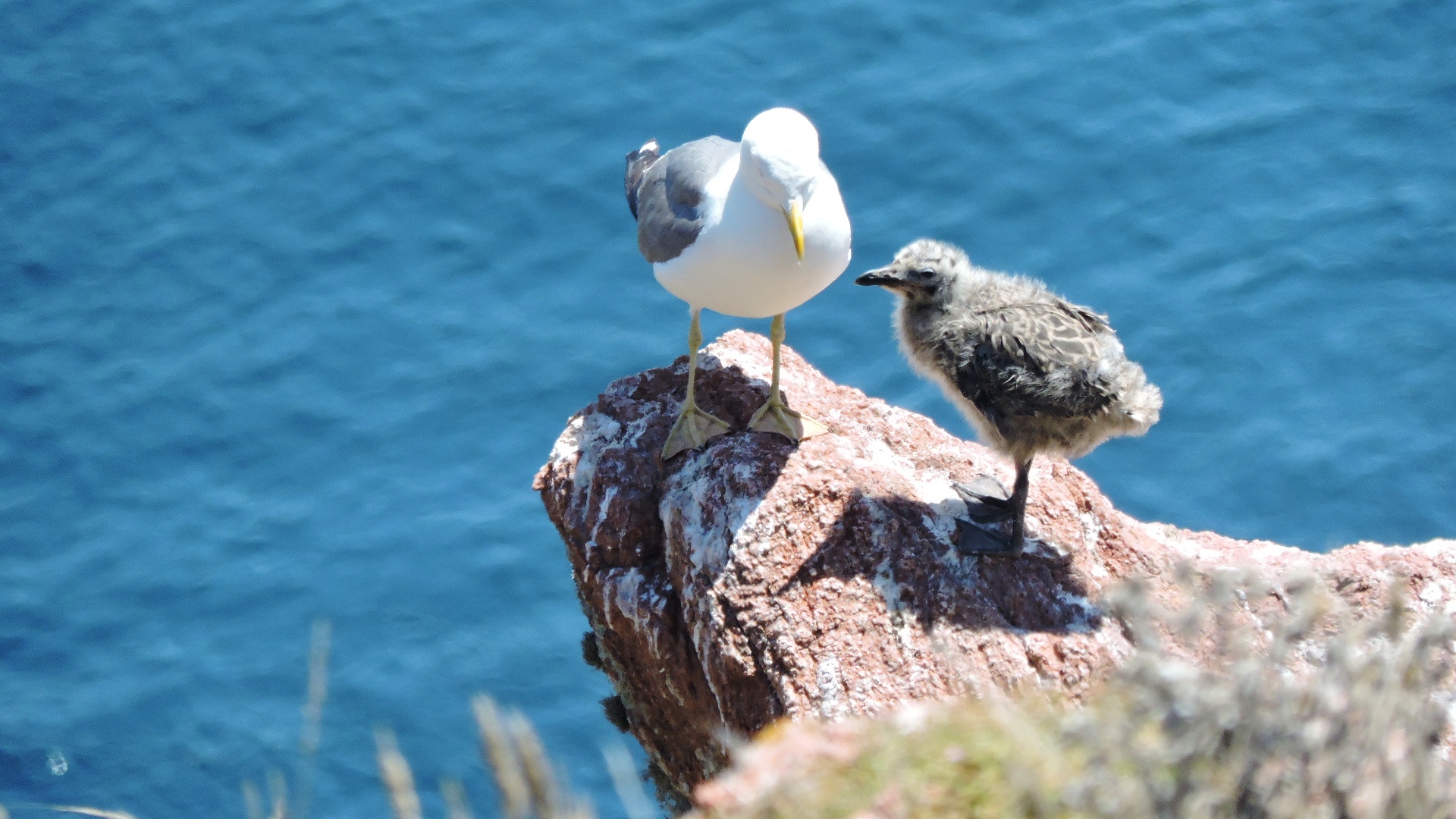
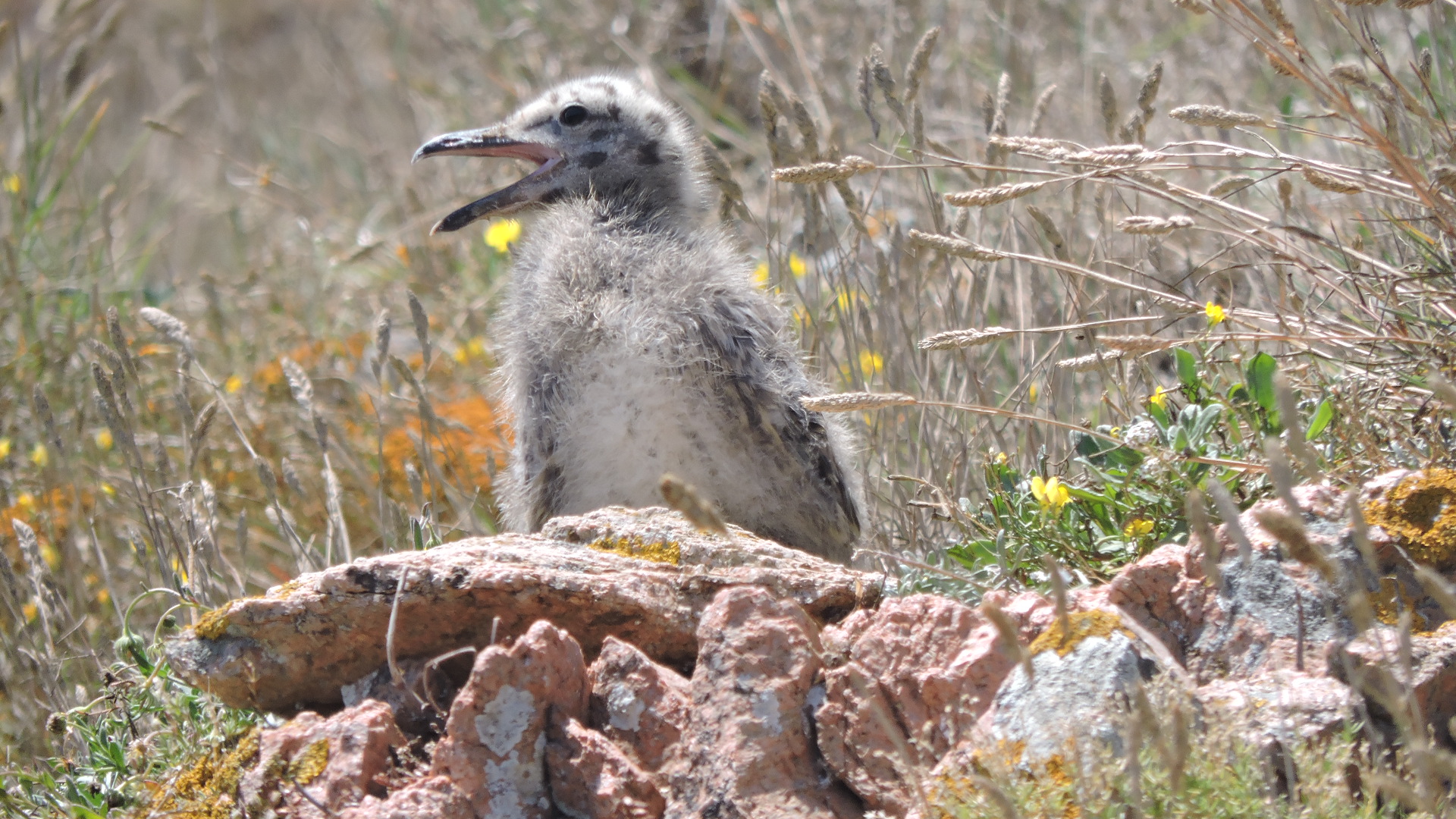
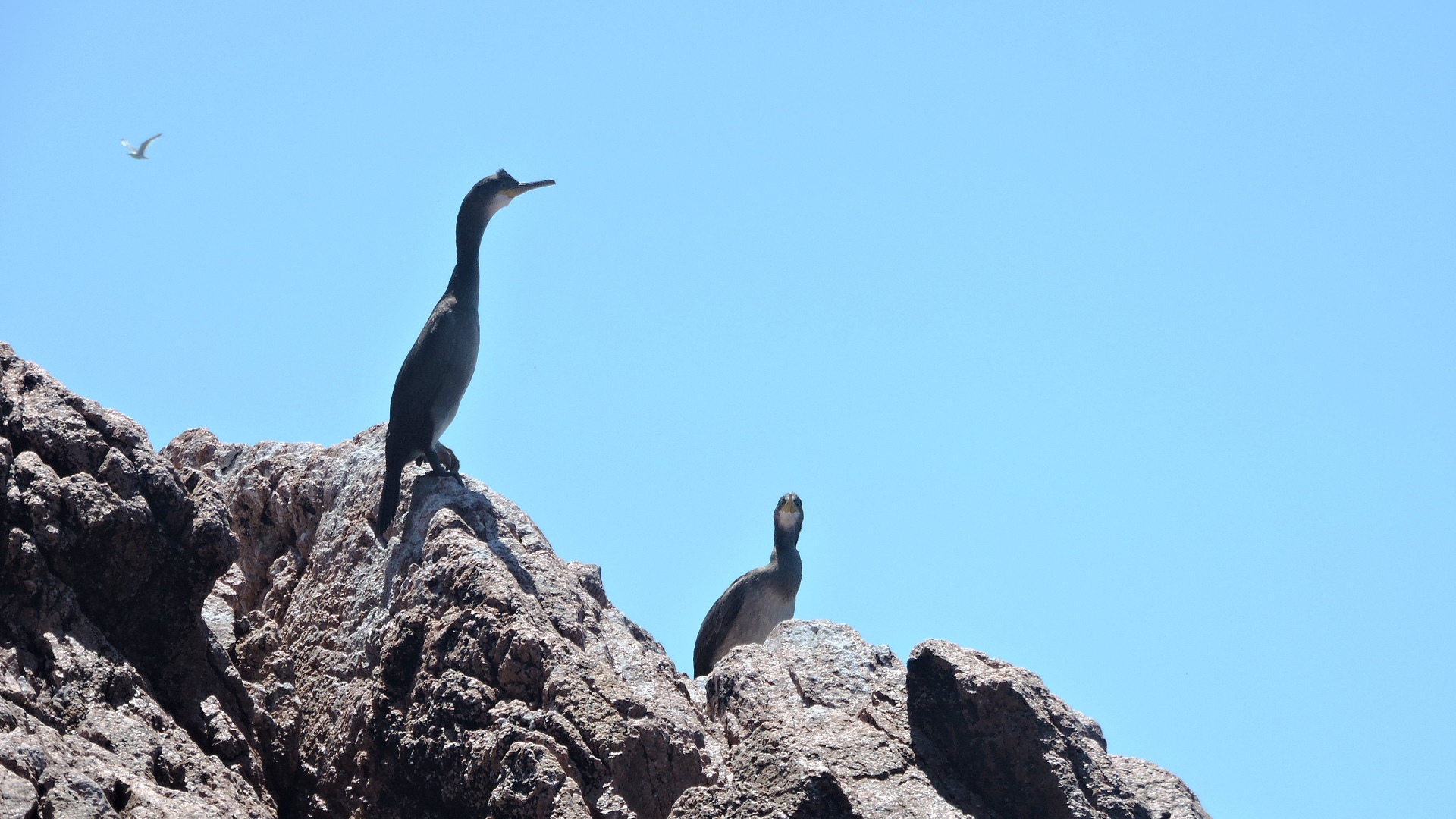
During our boat trip around the island, we were able to spot several bird species, including the Northern Gannet, Cory’s Shearwater and European Shag. The island is also home to large breeding populations of Lesser Black-backed Gulls and Yellow-legged Gulls, which nest on its cliffs and rocky slopes.
The Yellow-legged Gull population has increased considerably over the years, partly due to the availability of food from fishing activities and waste. For this reason, it is very important not to feed the gulls or leave food waste behind.
A pair of Peregrine Falcons also nests on the island every year, adding to the diversity of its birdlife.
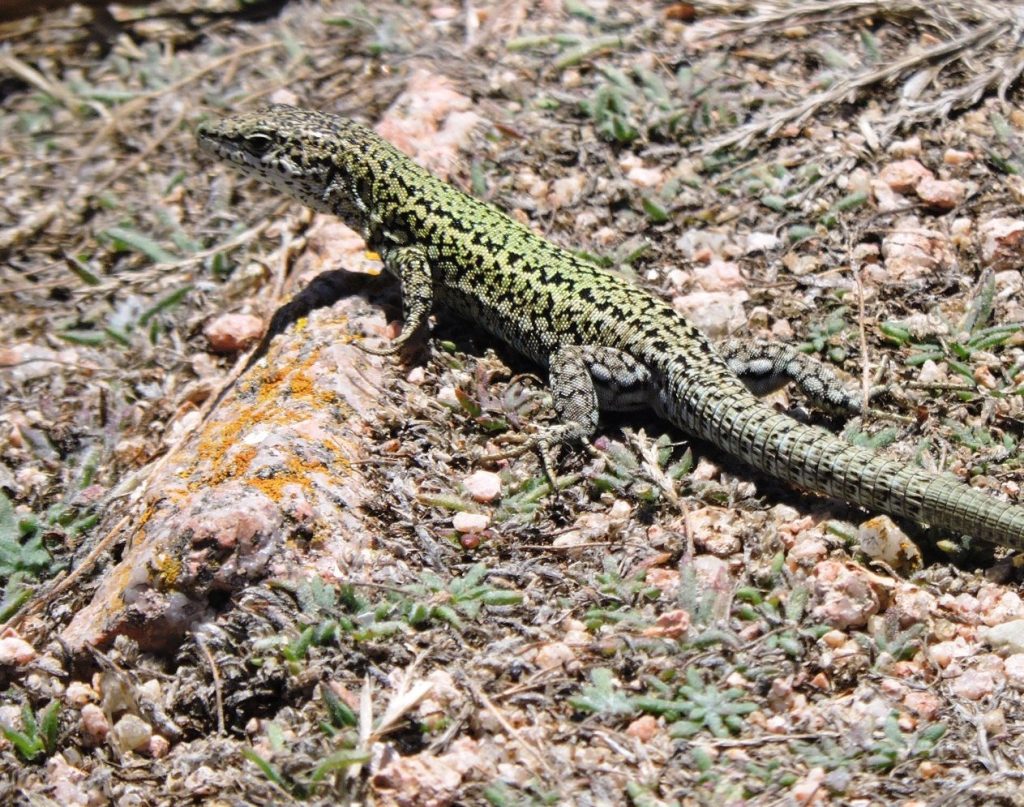
Among the island’s terrestrial wildlife, the Berlengas wall lizard (Podarcis carbonelli berlengensis) deserves special mention. This endemic subspecies of Carbonell’s wall lizard is found exclusively in the Berlengas Archipelago, where it has developed distinctive characteristics as a result of the island’s isolation. It is a fascinating example of how wildlife adapts to the unique conditions of an island environment.
Berlenga Island can be visited throughout the year, although boat connections are much more frequent between May and September. From October to April, visits are less common and depend largely on sea conditions and the availability of boat operators.
We visited the island at the end of June 2021, on a sunny day with calm seas. The crossing took approximately 40 minutes and went very smoothly. If you are prone to seasickness, you may want to consider taking some travel sickness medication before boarding.
For your boat trip to Berlenga, we recommend Viamar. We particularly liked their boat, the Cabo Avelar Pessoa. Its traditional design gives it a distinctive charm, making it a lovely way to reach the island.
You can find the list of licensed operators offering boat trips to the island here.
Tip: Book your boat tickets online and well in advance, especially during the summer months.
If you would like to spend a night on the island, there are three accommodation options:
Berlenga Campsite: The island’s only authorised camping area is located on the former monastery grounds, overlooking Carreiro do Mosteiro beach. It offers a more basic experience, close to nature. Reservations are managed by Peniche City Council, so make sure to book in advance.
Fort of São João Baptista:
The historic fort offers basic hostel-style accommodation, with shared kitchen and bathroom facilities. It is a unique place to spend the night, surrounded by the Atlantic Ocean. The accommodation is managed by the Associação dos Amigos da Berlenga (AAB), and advance reservations are required.
Berlenga Bed & Breakfast: Located near the harbour, this accommodation is run by the family behind Mesa da Ilha, offering simple rooms with sea views.
There are a few places where you can buy food and drinks on the island:
Mesa da Ilha: The island’s main restaurant, serving fresh fish and seafood, including traditional local dishes.
Castelinho Snack Bar: Housed in a small building dating from 1952, this bar and mini-market offers light meals, sandwiches, drinks, ice cream and some basic supplies.
Fort of São João Baptista: There is a small bar where you can stop for a drink or a light snack. The selection may be limited, so don’t count on it for a full meal.
Public toilets are available near the Fishermen’s Quarter, as well as at the restaurant and the fort.
Tip: Take some cash with you. There is no ATM on the island, and although some establishments accept card payments, it is always best to have cash as a backup.
There is plenty to explore on Berlenga Grande, from scenic walking trails and historical landmarks to boat trips, water activities and wildlife watching. Whether you prefer exploring the island on foot or discovering its coastline from the sea, there are several ways to enjoy this beautiful natural reserve.
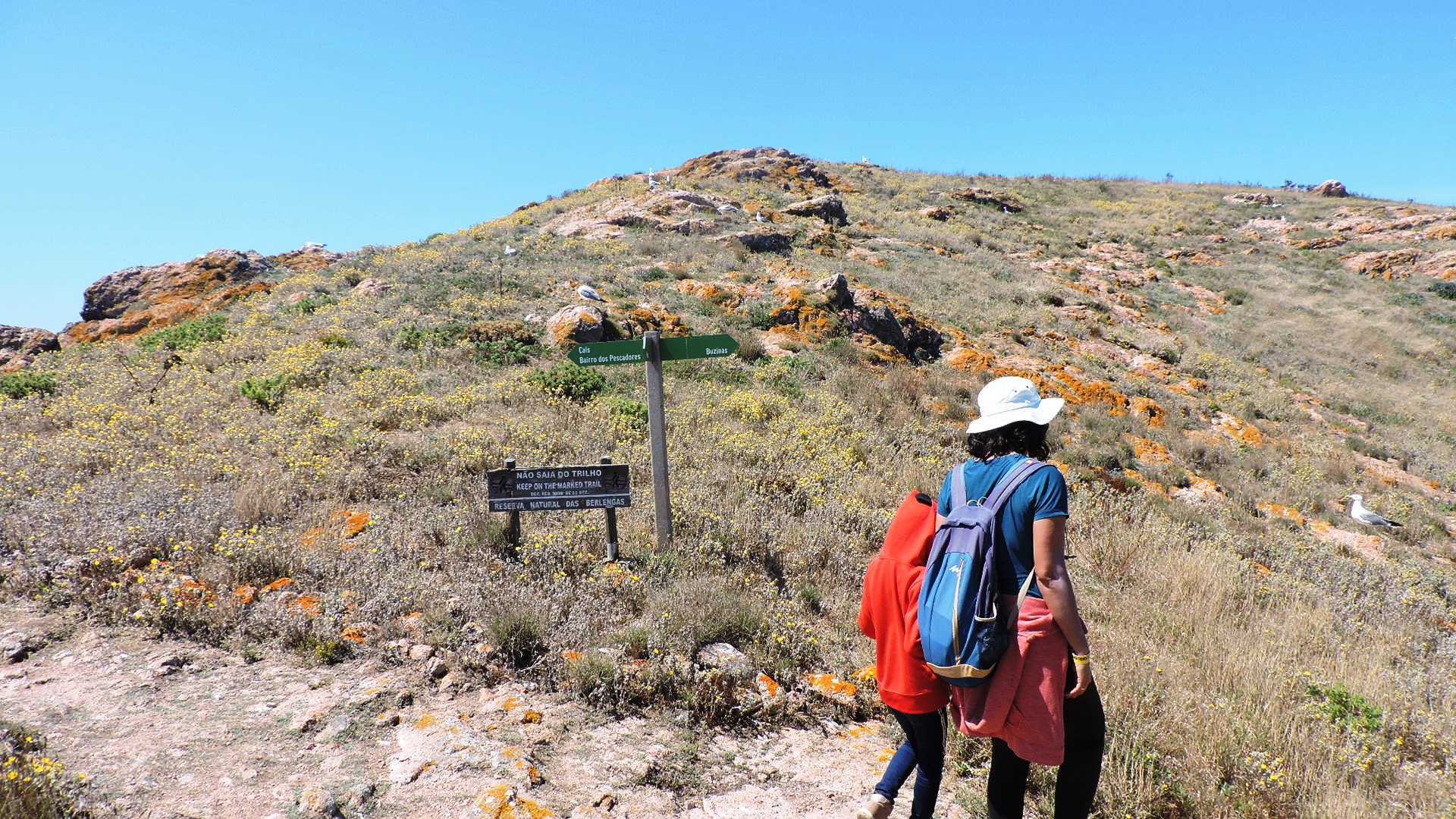
There are two marked walking routes on the island: the Berlenga Trail, which leads towards the lighthouse and is approximately 3 km long (one way), and the shorter Ilha Velha Trail, a circular route of around 1.5 km.
Both routes start near Bairro dos Pescadores and offer wonderful views of the island’s rugged landscape and surrounding ocean. The trails are signposted, and visitors must stay on the marked paths to protect the island’s fragile vegetation and wildlife.
Berlenga Trail: Carreiro do Mosteiro, Carreiro dos Cações, the Lighthouse, Fort of São João Baptista, the Cisterns and Cova do Sono.
Ilha Velha Trail: Melréu, Buzinas, Pedra Negra, Ilhéu da Velha and Ilhéu Maldito.
From the island’s plateau, you can also enjoy views of the Estelas and Farilhões islets.
Make sure you allow enough time to complete your walk and return to the pier before your boat departs.
Be careful around the gulls, particularly during the nesting season, when they can become aggressive if they feel their nests or chicks are threatened.
Bring a hat, sunscreen and plenty of drinking water. There is very little shade on the island.
Take all your rubbish back with you.
The best months for walking are generally from May to September. July and August are particularly busy, so consider visiting in June or September if you prefer a quieter experience.
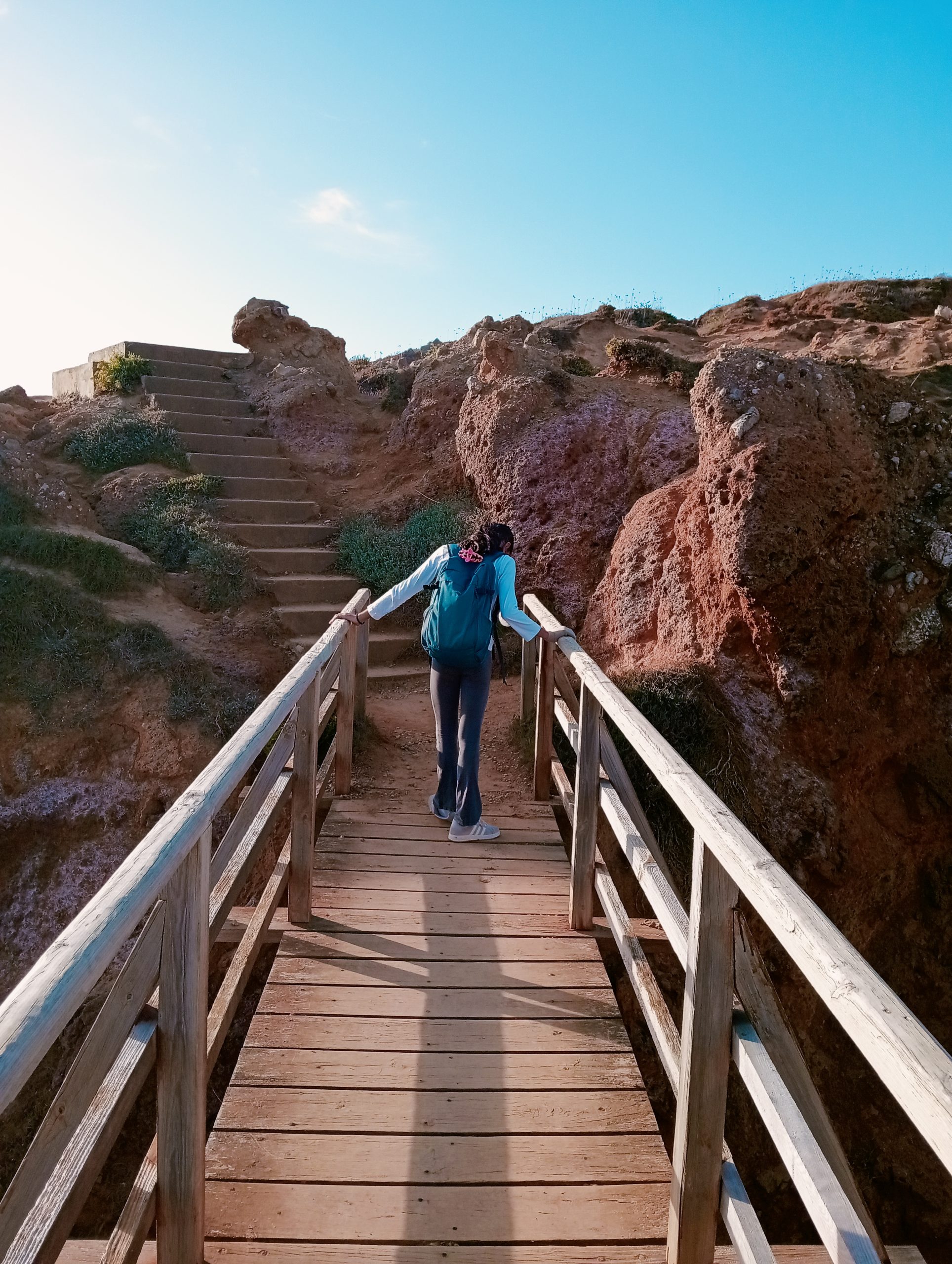
Although the trails are relatively short and not particularly difficult, the climb towards the lighthouse can be steep and demanding, especially for those who are not used to walking uphill.
A visit to the Fort of São João Baptista is a must when exploring Berlenga Grande. This seventeenth-century fortress is one of the island’s most recognisable landmarks and is well worth the walk.
There is a small entrance fee, which contributes towards the maintenance of the Fort.
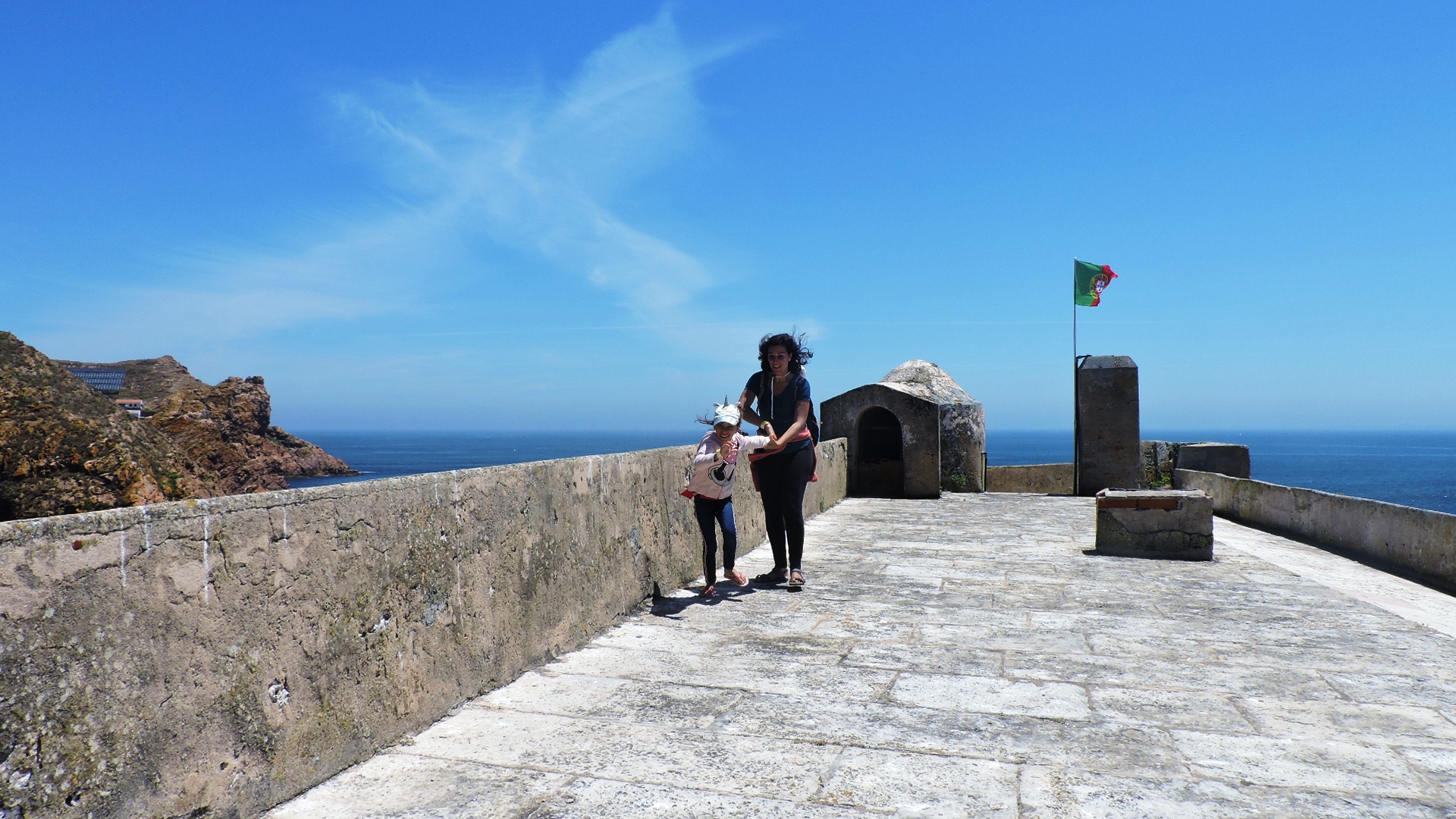
Make sure you climb up to the terrace to enjoy the spectacular views over the Atlantic Ocean. However, be careful, as some areas have no protective railings.
Located in Bairro dos Pescadores, the Visitor Centre is an interpretation and information centre dedicated to the natural heritage of the Berlengas Archipelago.
Inaugurated in 2015, it features informative displays and audiovisual content about the island’s wildlife, vegetation, geology and conservation efforts. It is a useful place to learn more about the natural values of the archipelago.
The island’s natural beauty and impressive rock formations are even more fascinating when viewed from the sea.
Several licensed maritime-tourism operators offer boat trips around Berlenga Grande, taking visitors past its caves, cliffs and unusual rock formations. Some boats have glass-bottom sections, allowing passengers to observe the seabed and marine life, including fish and invertebrates such as sea cucumbers.
During our visit, we explored several beautiful spots along the coastline, including Carreiro da Inês, Baía das Flandres, Fort of São João Baptista, Gruta Azul (Blue Grotto), Furado Grande, Cova do Sono and Cabeça do Elefante (Elephant’s Head).
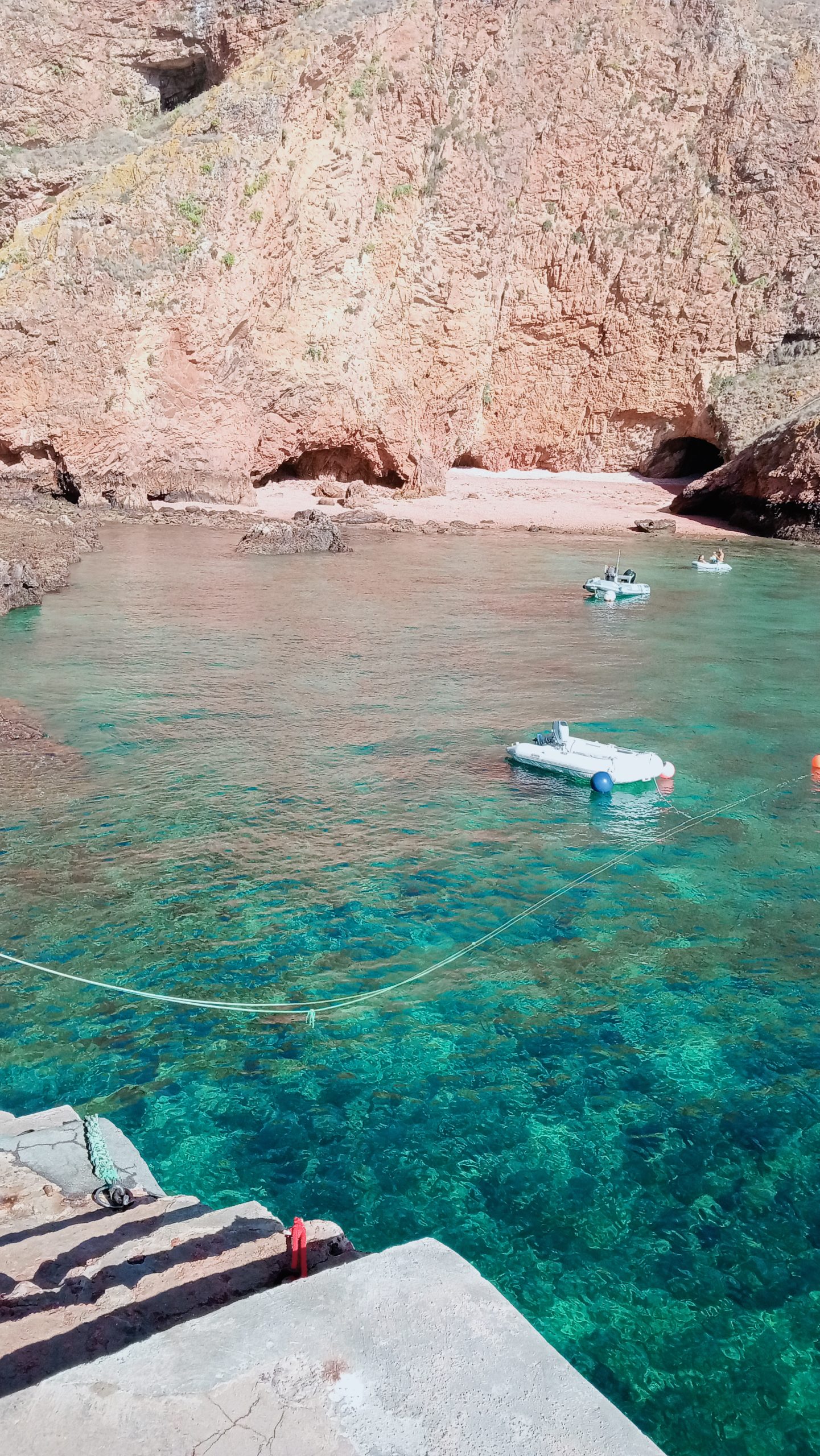
Many of these small bays are sheltered from the prevailing northerly winds and have traditionally served as refuges for local fishermen.
One of the highlights is Cova do Sono, where a magnificent natural cavity, also known as the Cathedral, features a vaulted ceiling and a small pebble beach.
Some boat tours also offer the possibility of getting off at Fort São João Baptista, allowing visitors to explore the fortress before returning to the pier.
Kayaking and stand-up paddleboarding are other ways to explore the coastline and admire the island’s caves and rock formations from a different perspective.
Several operators offer these activities, including equipment rental and guided experiences. Kayaking can give you access to some narrow passages and caves that larger boats cannot enter.
Always check with the local operators about permitted routes, sea conditions and safety requirements before heading out.
The Berlengas Archipelago is an important refuge for seabirds and hosts breeding colonies of several pelagic species, including Cory’s Shearwater and the European Storm Petrel, known in Portuguese as roque-de-castro.
The airo (Common Murre), once a breeding species in the archipelago and now the symbol of the Natural Reserve, no longer breeds in the Berlengas. The last known nesting record dates back to 2002.
The best time for birdwatching is generally during the autumn migration, particularly from September to November, when migratory birds pass through or stop on the island.
With its open landscape and limited vegetation, the island can offer good opportunities to spot birds resting or feeding along the cliffs and coastline.
The Berlengas Archipelago is home to one of the richest marine ecosystems in Portuguese waters, making it a popular destination for diving.
Its underwater landscapes include rocky walls covered with gorgonians, large schools of fish and a variety of marine species. Divers may encounter impressive animals such as groupers and ocean sunfish, as well as old shipwrecks that have gradually become part of the marine ecosystem.
There are several diving sites around Berlenga Grande, the Estelas and the Farilhões, offering different experiences for divers of varying levels.
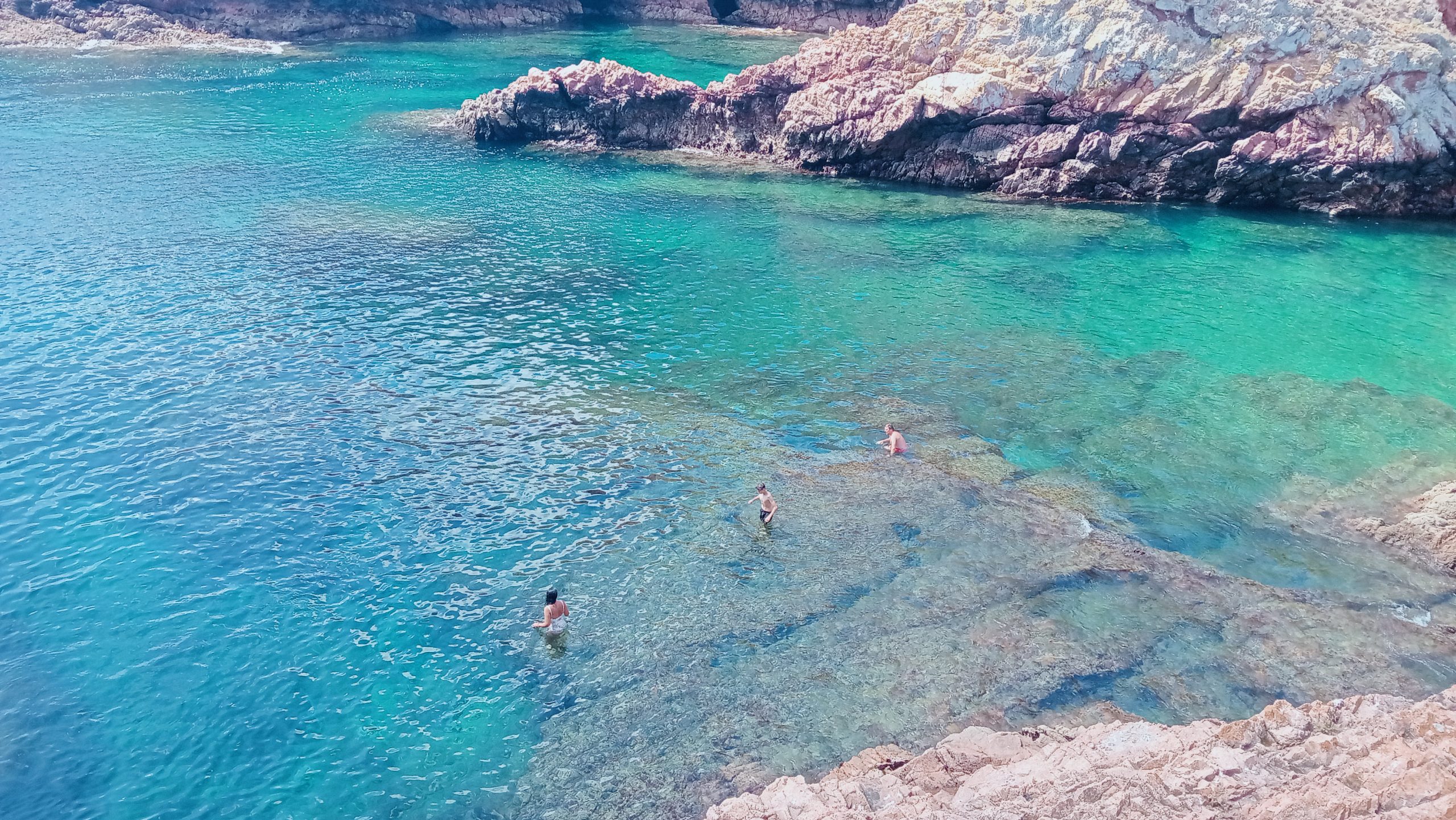
During the summer months, don’t forget to bring your swimming costume and a towel. Berlenga Grande has some beautiful spots for swimming in its clear Atlantic waters.
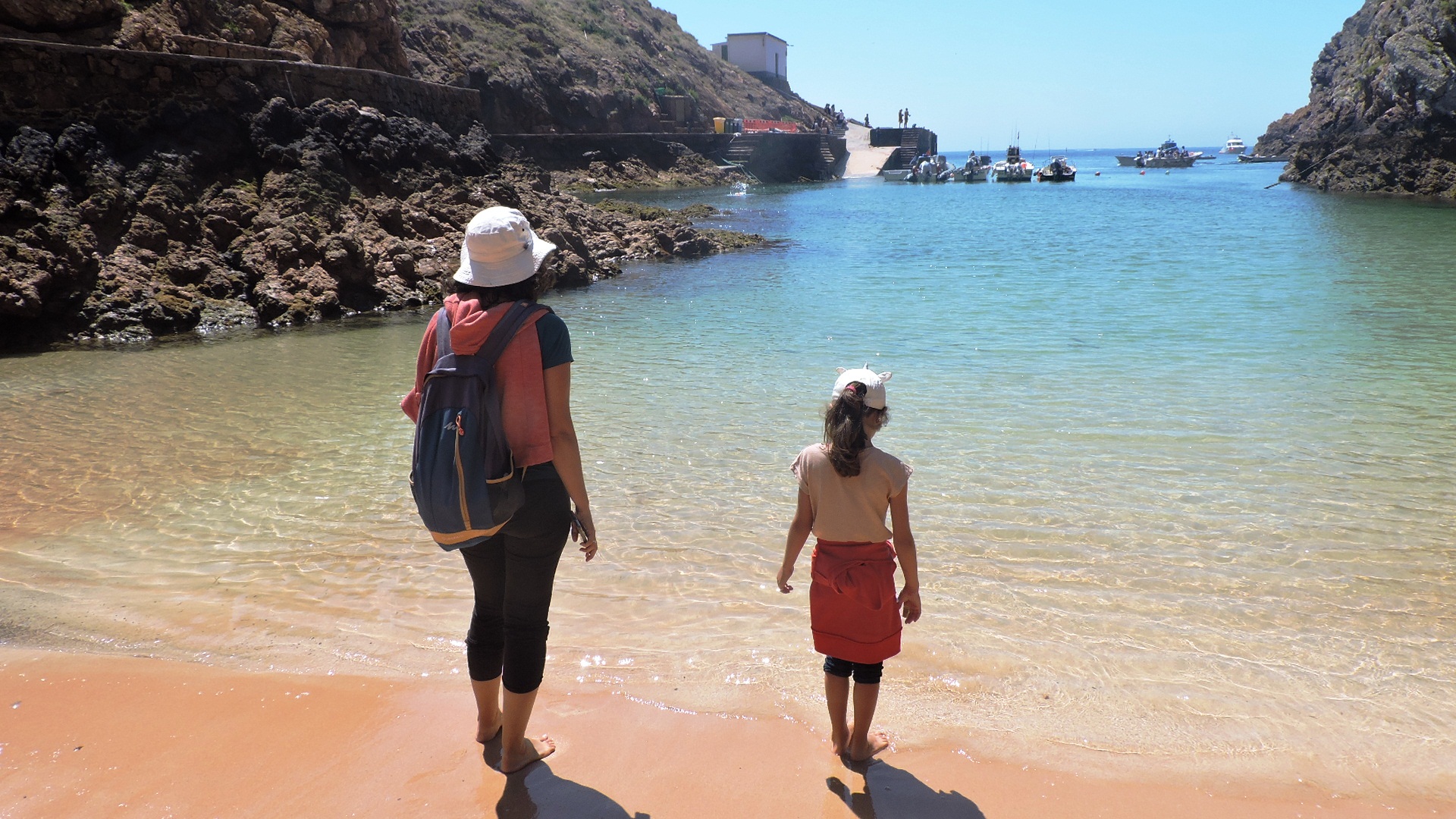
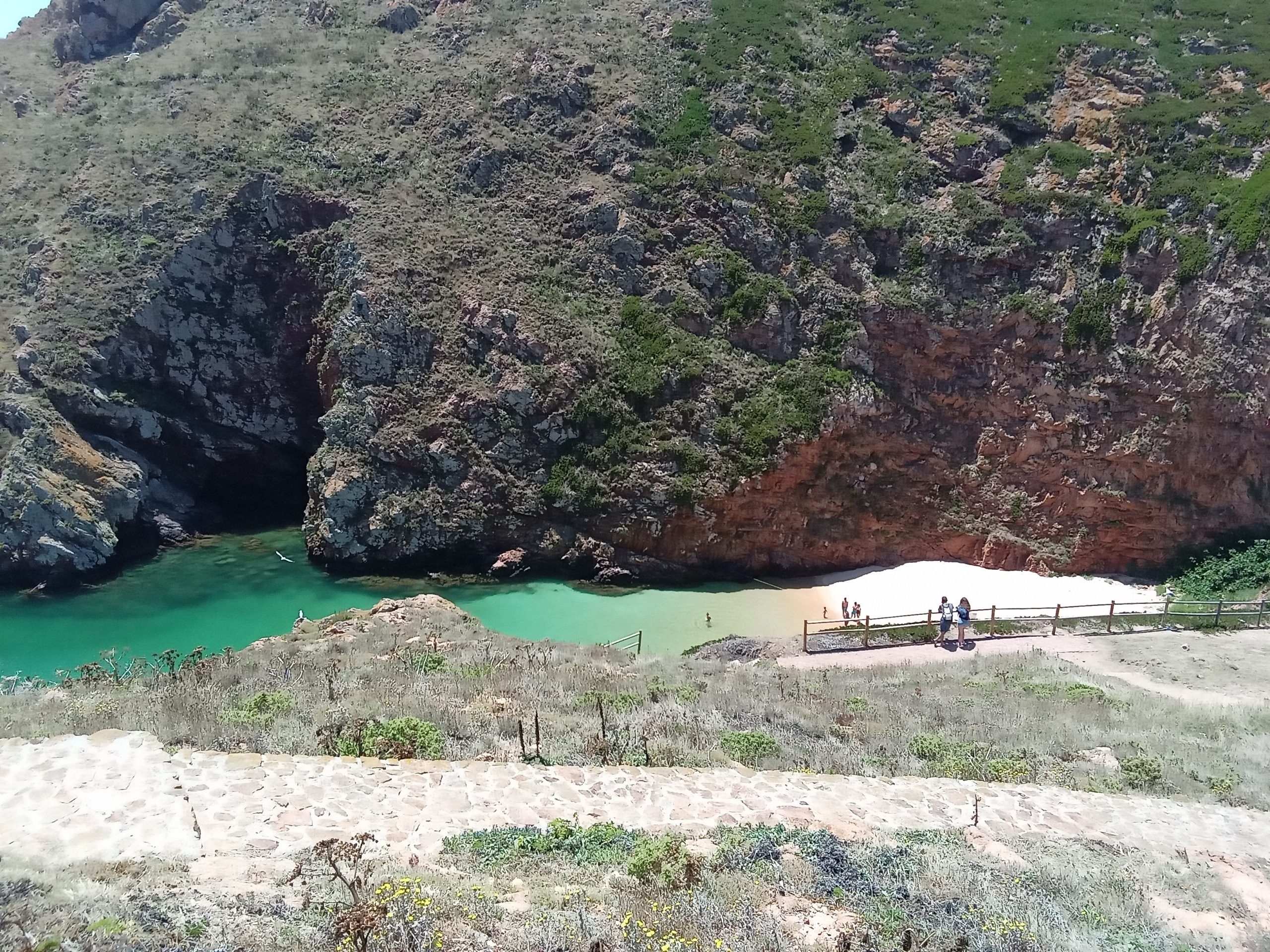
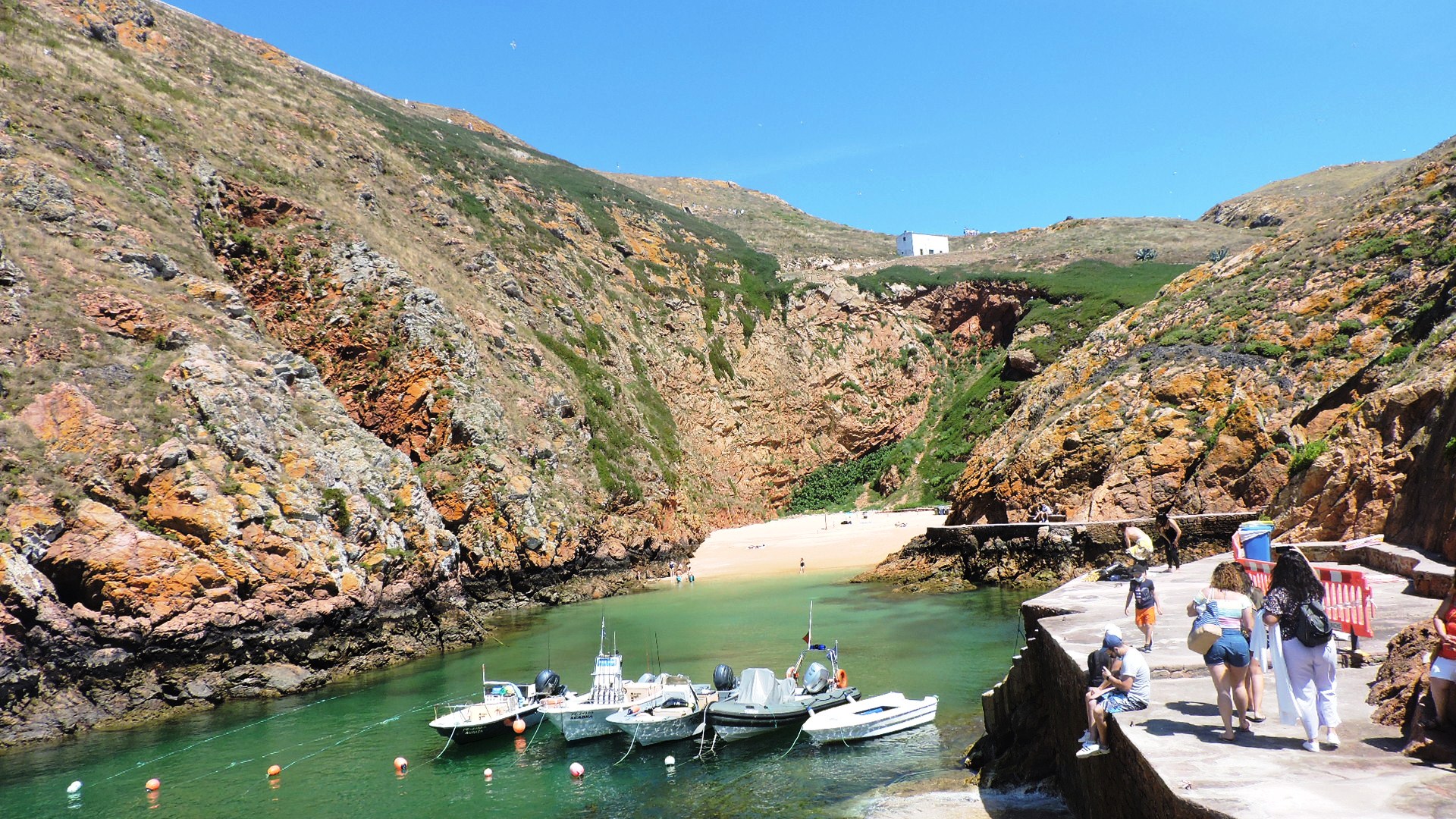
Carreiro do Mosteiro is the island’s main beach. Its sandy area changes considerably with the tides: at low tide, the beach is relatively spacious, while at high tide the available area becomes much smaller.
The water can be cold, but on a warm summer day, a swim in this beautiful setting is a wonderful way to end your visit.
The area around Fort São João Baptista is also a great spot for swimming and snorkelling, or for enjoying the calm waters on a stand-up paddleboard. If you plan to explore this area, try to avoid the busiest times of the day, when boat trips to the caves are taking place, as there can be considerable boat traffic.
Beyond Berlenga Grande, there is plenty more to discover in Peniche and its surrounding area. Here are a few places and experiences worth adding to your itinerary.
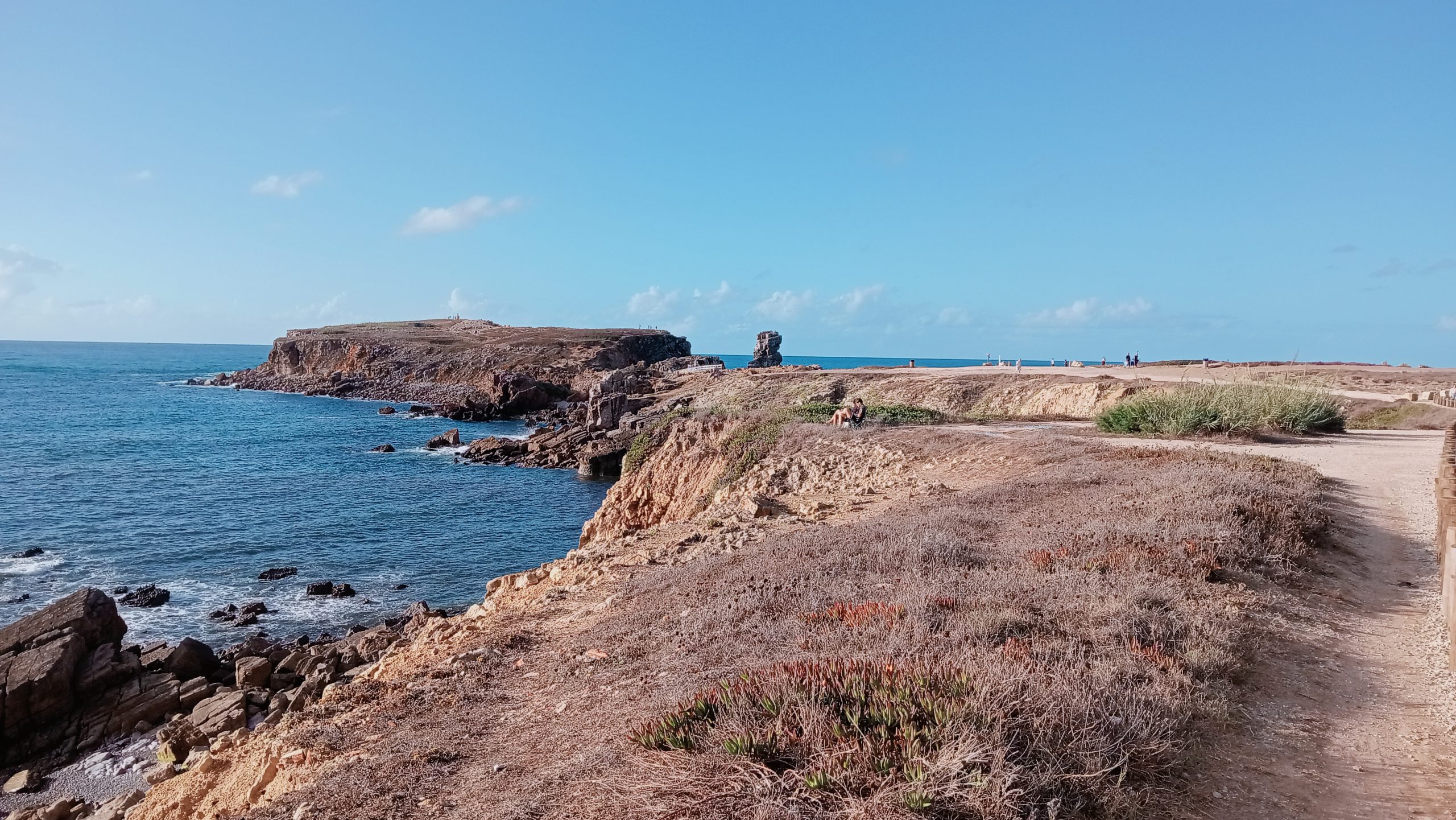
The Peniche Peninsula has several viewpoints and fascinating geological formations that are well worth exploring. Papôa and Varanda de Pilatos are two places where you can enjoy beautiful views of the coastline.
Near Cabo Carvoeiro, don’t miss Nau dos Corvos, an impressive rock formation whose shape resembles a ship. It is also a popular resting place for cormorants and other seabirds.
Bobbin lace (renda de bilros) is one of Peniche’s most distinctive traditional crafts and an important part of the town’s cultural identity.
The Museum of Bobbin Lace, inaugurated in 2016, is dedicated to preserving and promoting this traditional art, showcasing its history, techniques and cultural significance. It is a wonderful opportunity to learn more about a craft that has been passed down through generations of local women.
Peniche is internationally recognised as one of Portugal’s leading surfing destinations. Its coastline offers a variety of beaches and waves suitable for different levels of experience.
Supertubos is particularly famous for its powerful, hollow waves and regularly hosts international surfing competitions. Whether you are an experienced surfer or simply enjoy watching the action, Peniche’s surf culture is well worth discovering.
A visit to Peniche would not be complete without trying some of its traditional dishes. With such a strong connection to the sea, fish and seafood naturally take centre stage.
Some local specialities worth trying include Caldeirada de Peniche (a traditional fish stew), fish soup, Lagosta Suada à Moda de Peniche (Peniche-style steamed lobster) and grilled sardines.
Located in the historic village of Atouguia da Baleia, the CIAB is dedicated to the history and cultural heritage of this former medieval town.
The centre explores the area’s historical development and its close relationship with the sea, offering visitors a better understanding of the heritage and traditions of the municipality of Peniche.
The Peniche Fortress is one of the most important historical landmarks in the region. Originally built in the seventeenth century for coastal defence, it later became one of the most notorious political prisons of the Estado Novo dictatorship.
Today, it houses the National Museum of Resistance and Freedom, which preserves and shares the memory of political repression and the struggle for democracy in Portugal. A visit offers a powerful insight into an important chapter of the country’s recent history.
Our visit was just the beginning of our journey through Portugal’s West region. There was still so much more to discover, and we were looking forward to exploring the neighbouring towns of Óbidos and Nazaré.
Have you visited Peniche? What were your favourite places or experiences? Share them with us in the comments!