In December 2020, while our daughter was visiting her grandparents, we took the opportunity to enjoy a short getaway in Sintra. Our family trips usually involve reconnaissance for future Quimera programs, but this time we simply went for a walk. Since it was just the two of us, the trip felt more relaxed — though it still came with a few adventures!
We booked a stay at Chalet Relógio, a historic mansion designed by the architect Luigi Manini. Today, it is a guesthouse overlooking the Sintra Hills and the Moorish Castle.
We arrived in Sintra by train and crossed the historic centre, admiring the Christmas lights, the illuminated monuments and the town’s mysterious atmosphere. Then we walked about 700 metres up the road to Pena, in the dark, until we reached the chalet. It was the winter solstice — the longest night of the year — and an important astronomical event was taking place: the “Star of Bethlehem,” when Jupiter and Saturn appeared close together in the sky. Unfortunately, it was too cloudy for us to see it.
Although it was the low season, Sintra’s streets were unusually quiet. Most restaurants were closed, a few tuk-tuks were still looking for customers, the buses were empty, and taxis served the handful of tourists visiting the monuments. Tourism was waiting for better days after Covid-19.
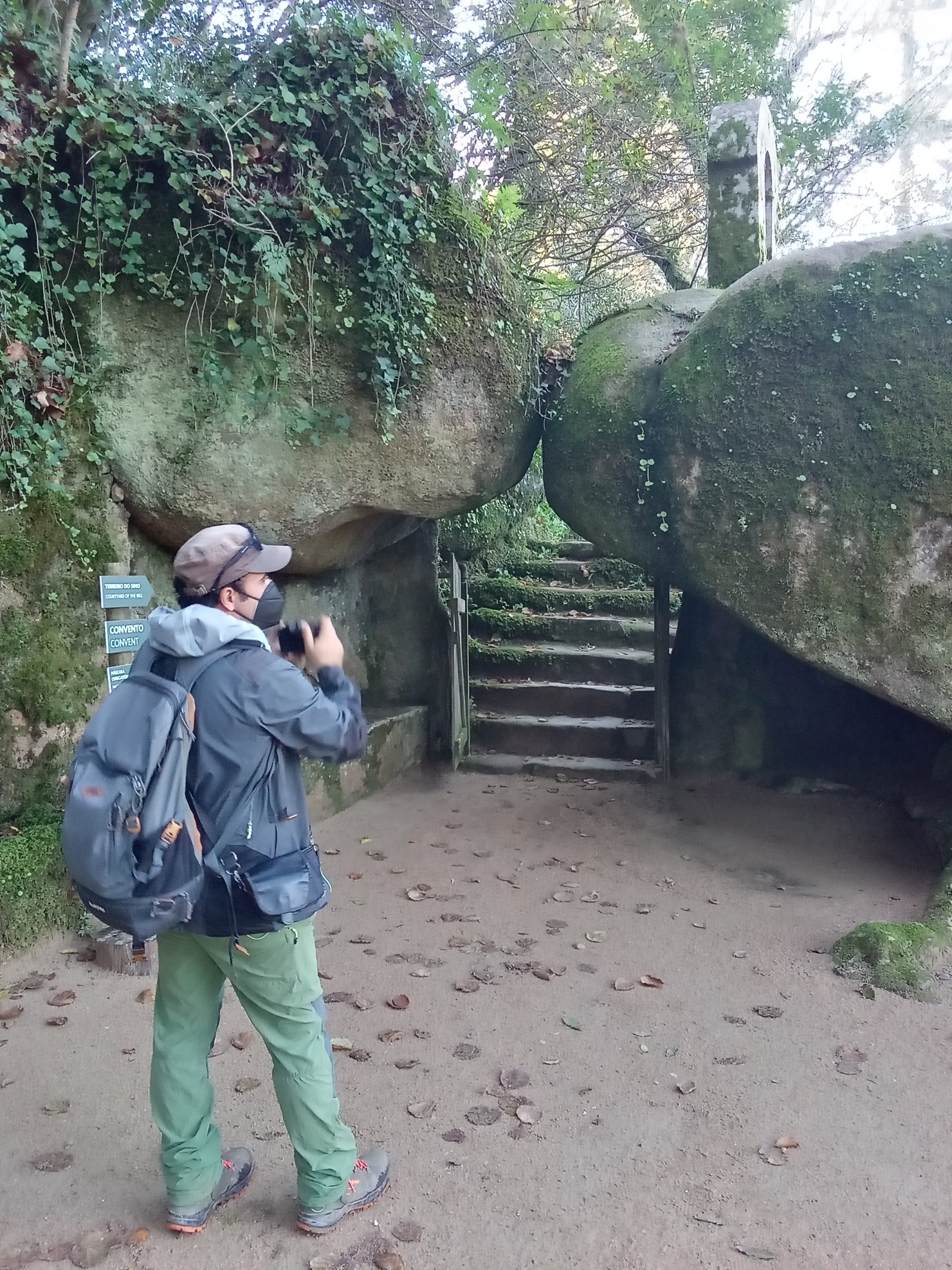
The next day, we walked through Tapada de Monserrate to the Convent of the Capuchos, where we joined the PR1 SNT — the Monk’s Trail.
We took the Scotturb 435 bus, which runs between the train station, Quinta da Regaleira, Monserrate, Colares and the train station. The bus was empty and dropped us off beside Monserrate Palace. We began our walk near the picnic area.
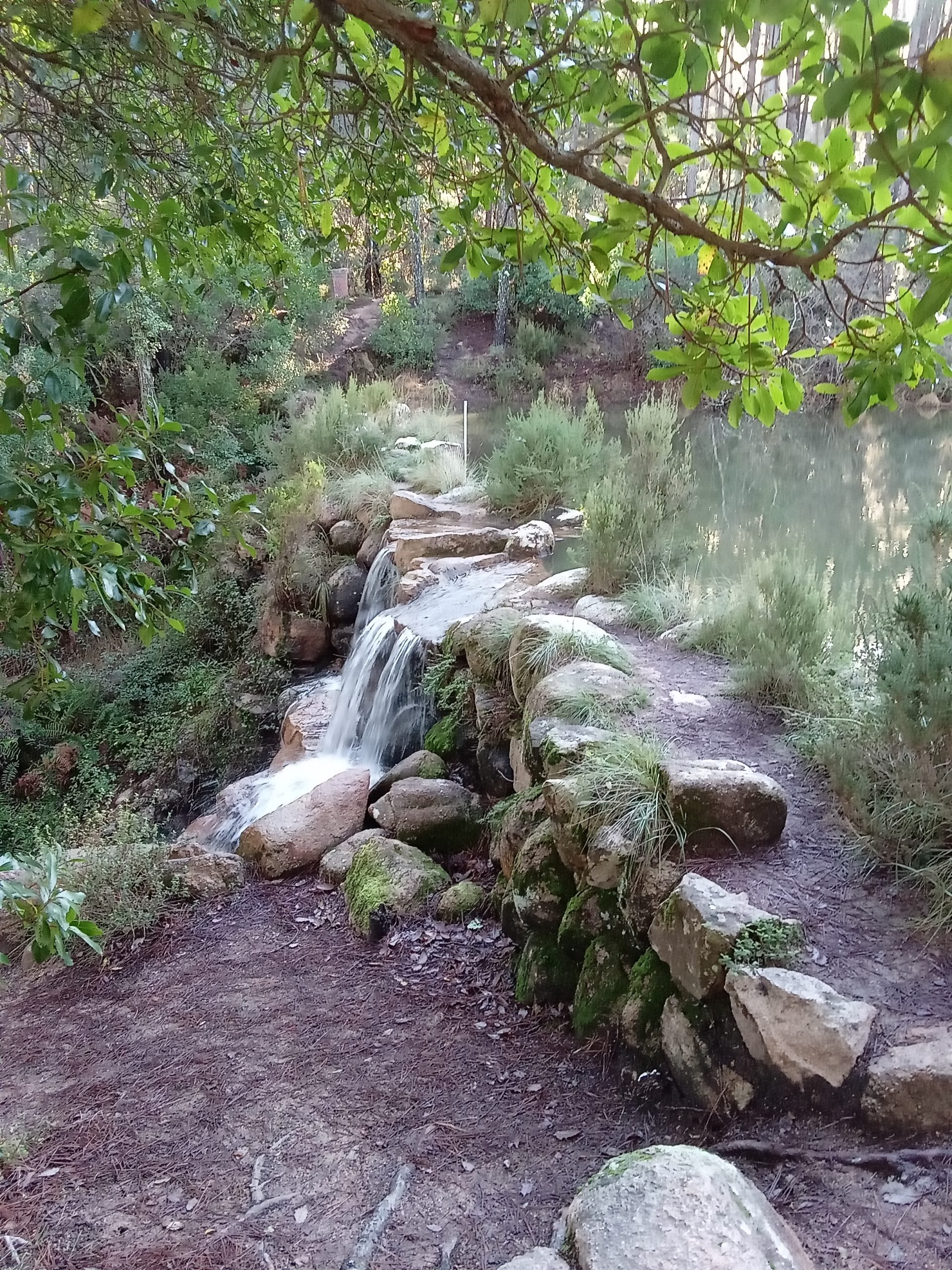
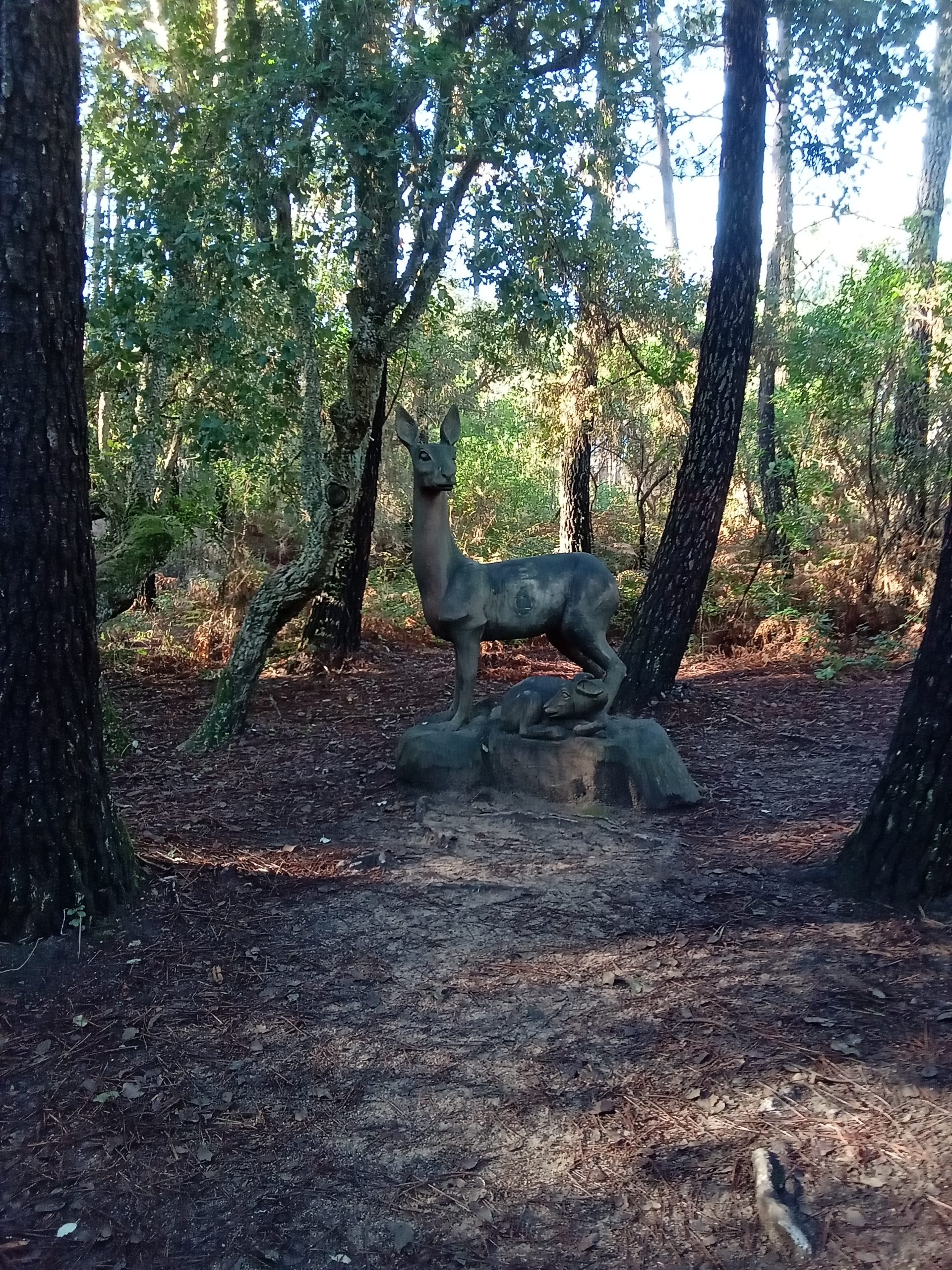
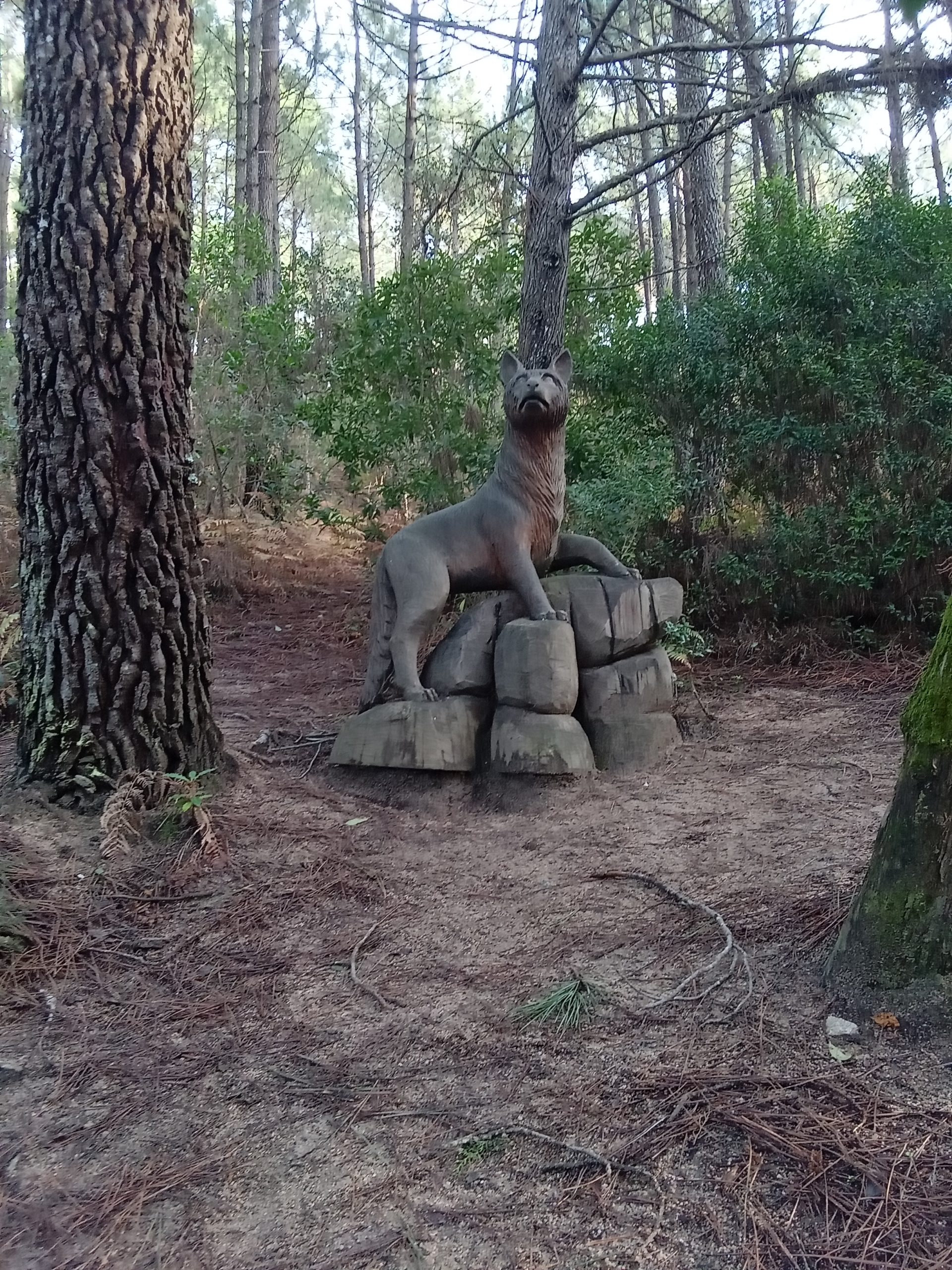
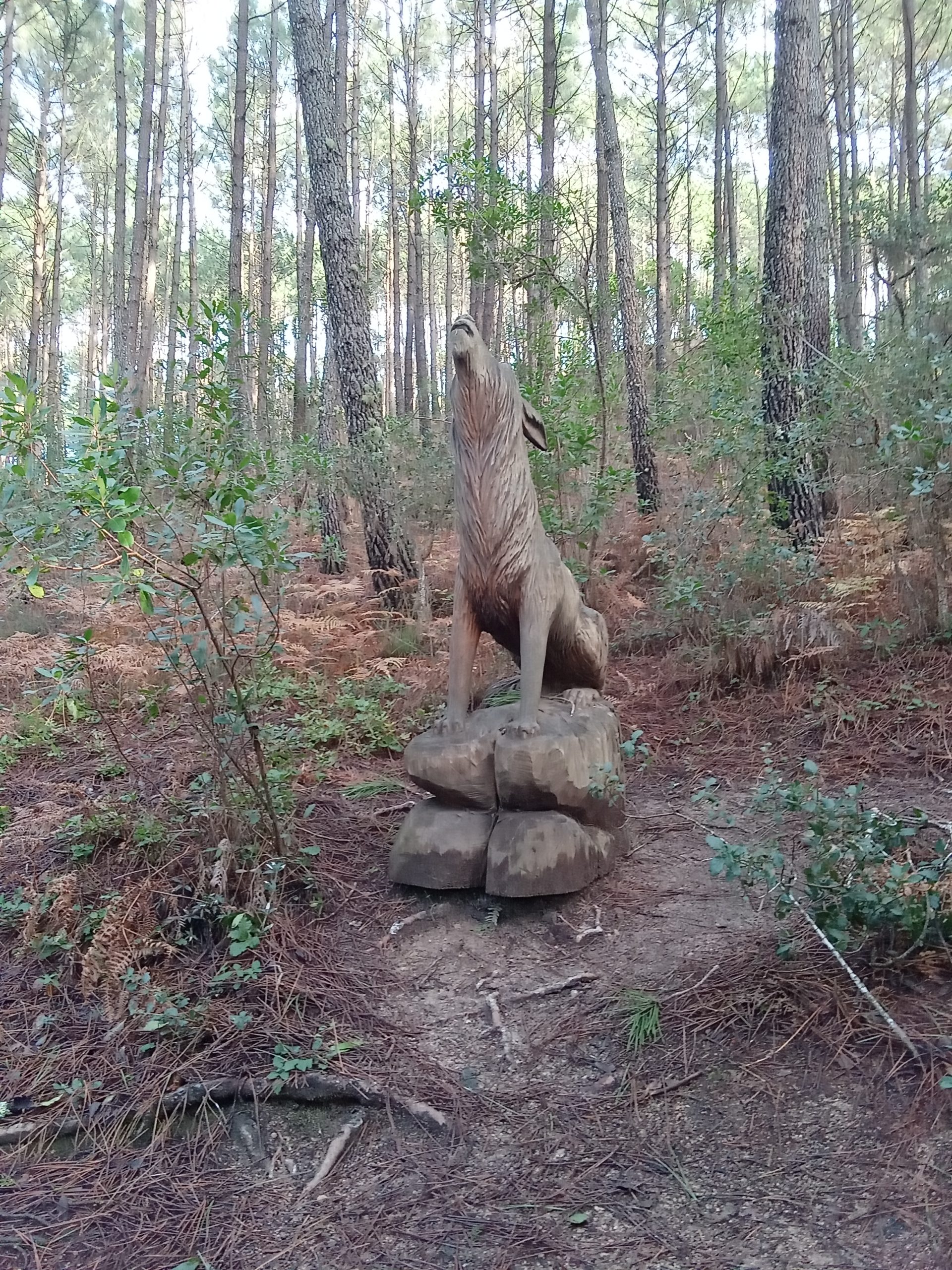
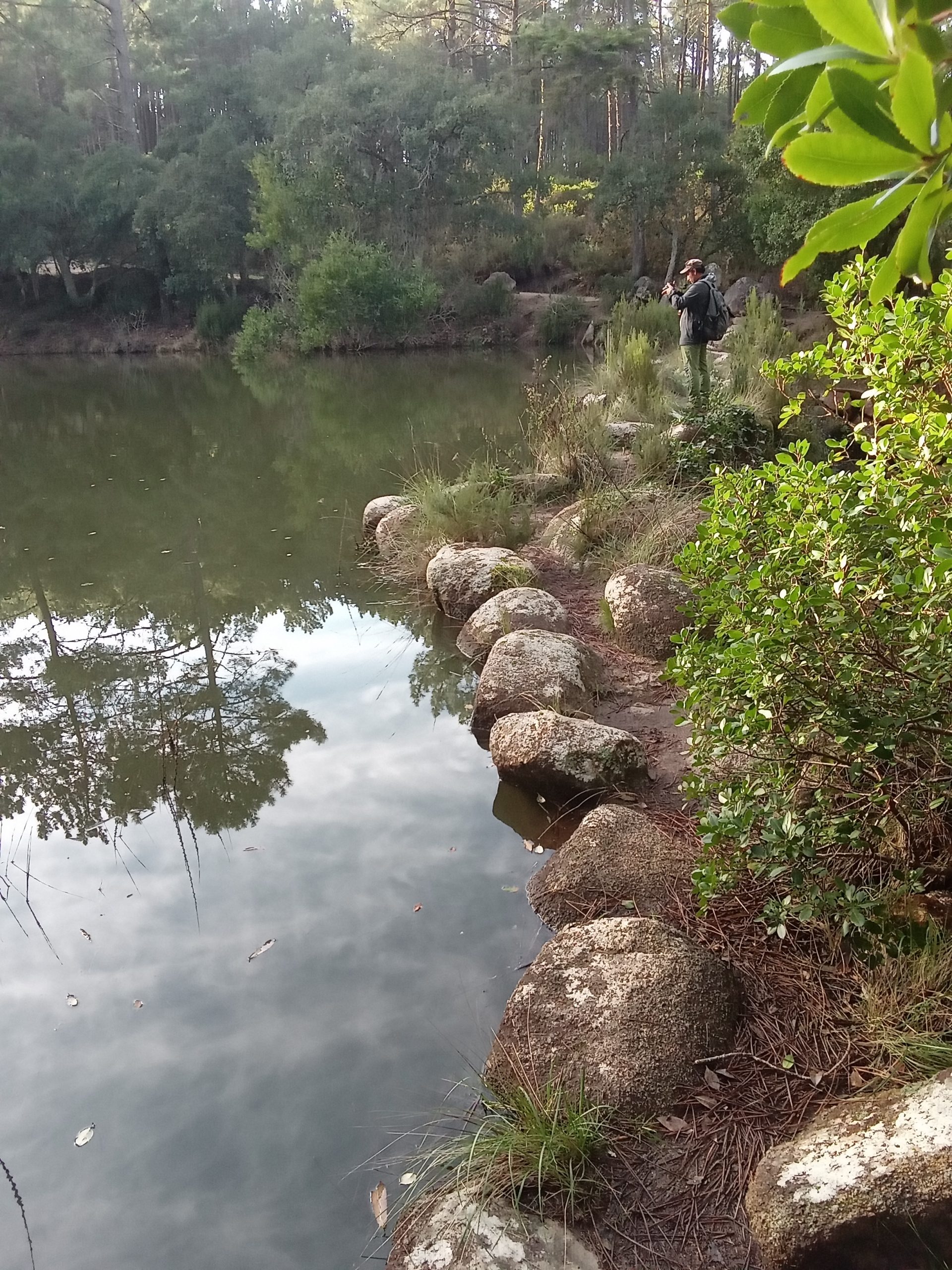
Along the way, we came across several ponds that feed the waterfalls in Monserrate Park. These ponds provide habitats for several species and had recently been treated as part of an effort to control invasive species. The forest, in the heart of Sintra-Cascais Natural Park, was once home to emblematic wildlife, including roe deer, wolves and bears, which were hunted here in the past. Today, only sculptures of these large mammals remain.
At the Convent of the Capuchos, we began the Monk’s Trail with a climb to the Soldiers’ Memorial, dedicated to the 25 soldiers who lost their lives fighting the great fire of 1966.
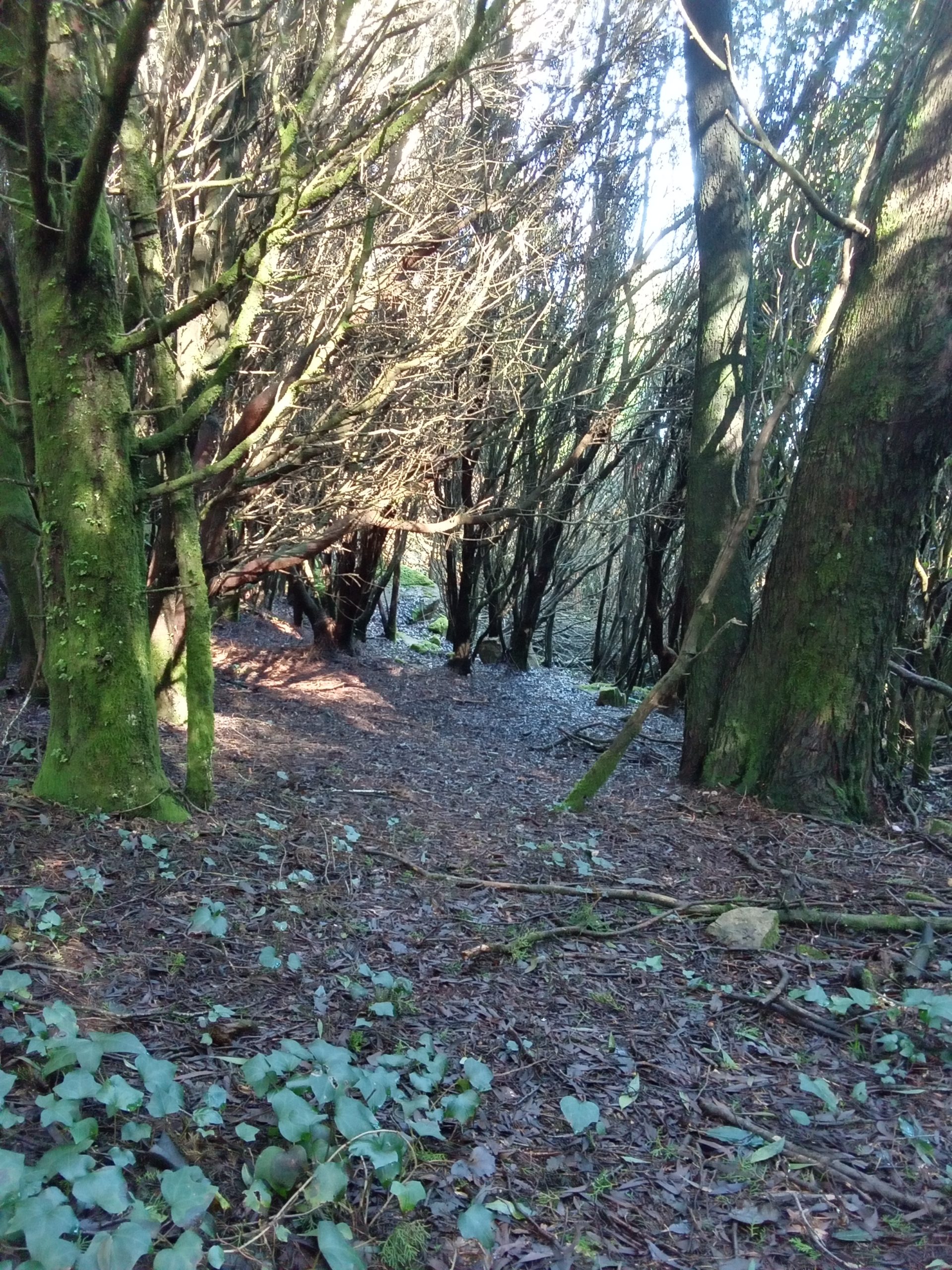
The trail passes through areas overrun by invasive plants, such as the incense tree, which pose one of the park’s main ecological challenges. It also winds through places of great beauty, including the forests of Buçaco cedar (Cupressus lusitanica).
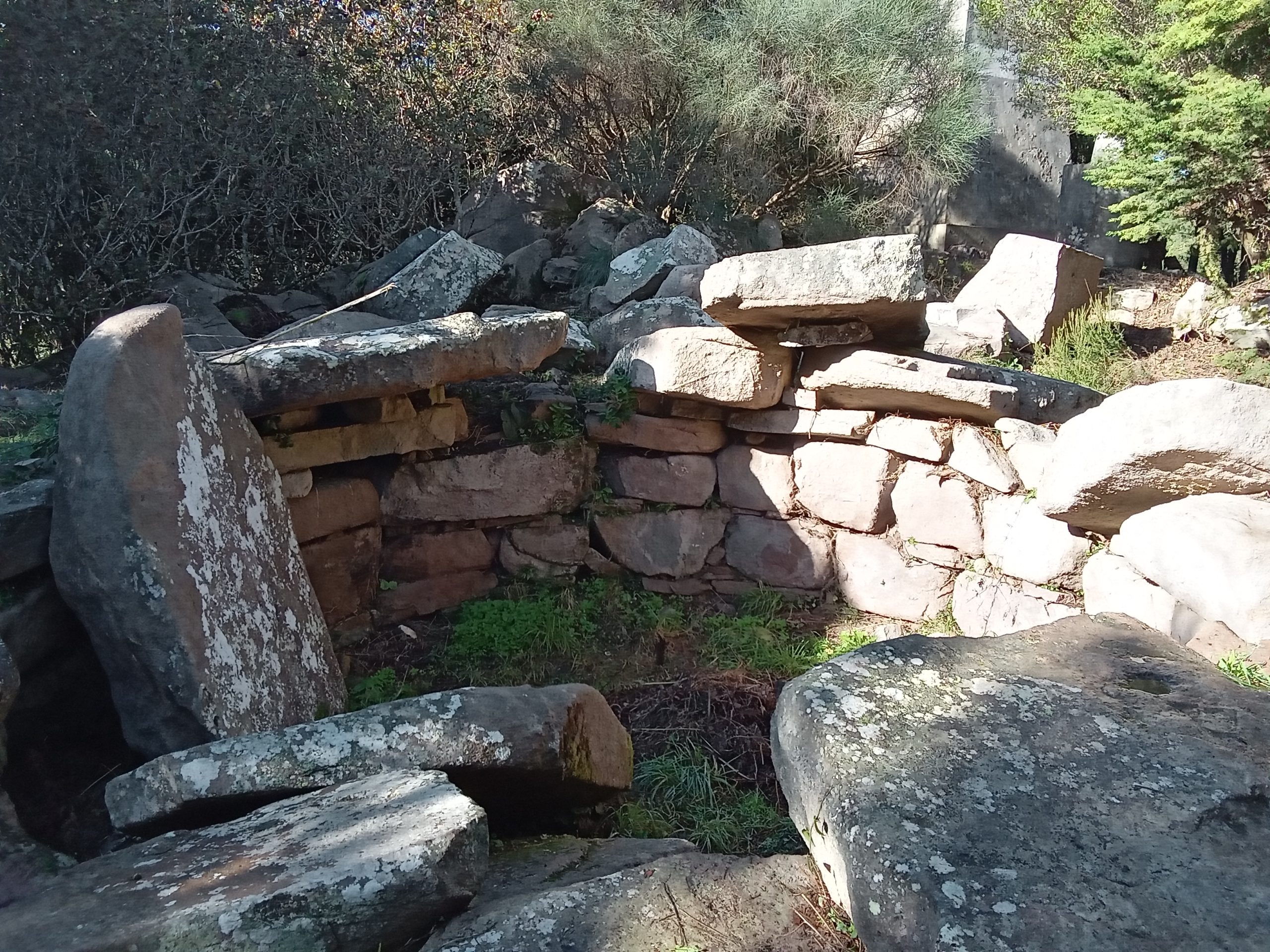
We then climbed to the third-highest point in the Sintra Mountains, at 491 metres. There, we found a geodesic marker and the Tholos do Monge, an ancient collective tomb built during the Chalcolithic period. Several archaeological remains found inside this circular stone structure attest to its significance.
We continued until we reached a viewpoint overlooking the ocean, then returned to the Convent of the Capuchos to visit it.
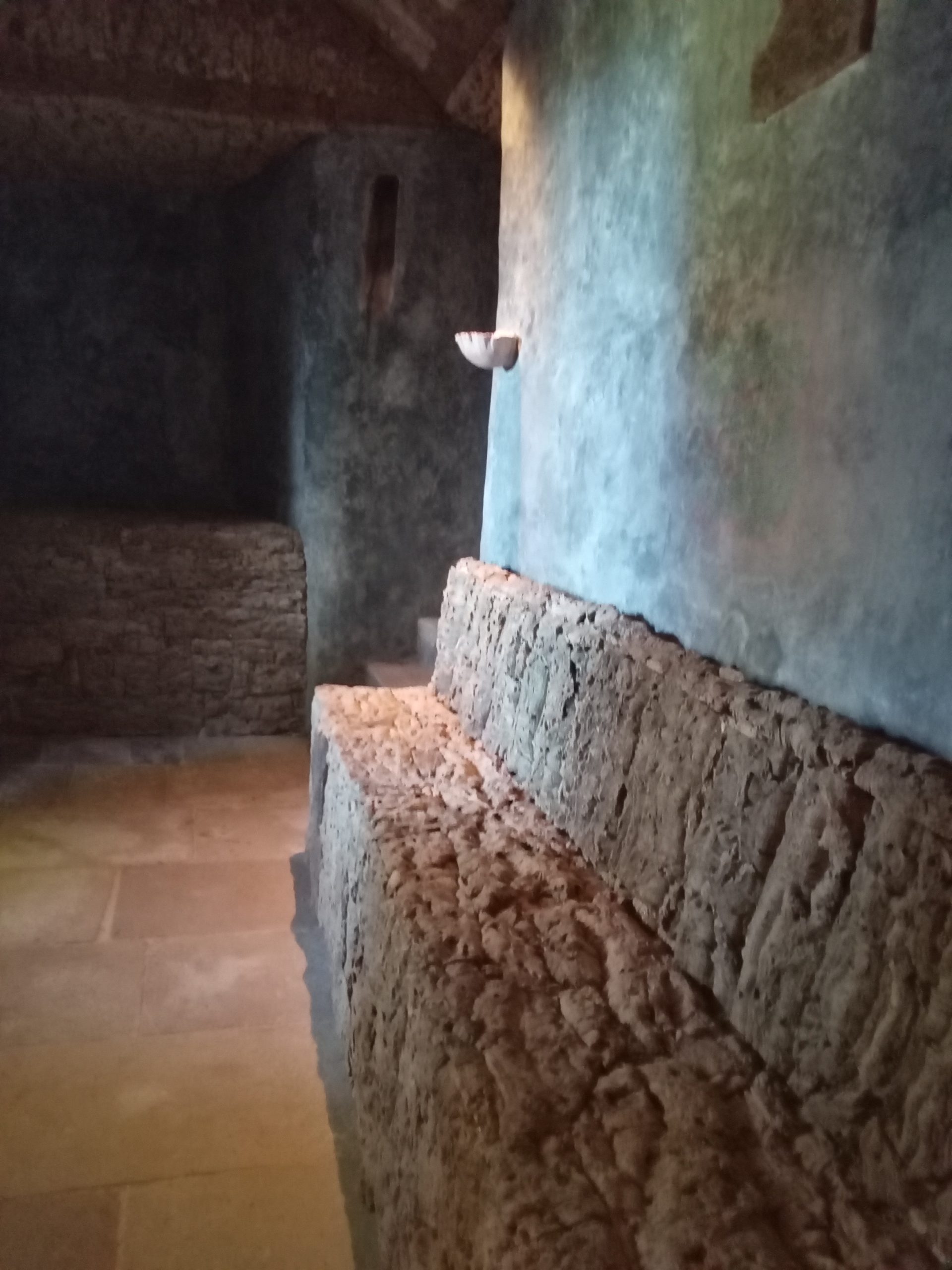
Founded in the 16th century, this Franciscan convent was built according to ideals of poverty and simplicity. Cork lining some of the small cells and doorways helped protect them from the cold and damp.
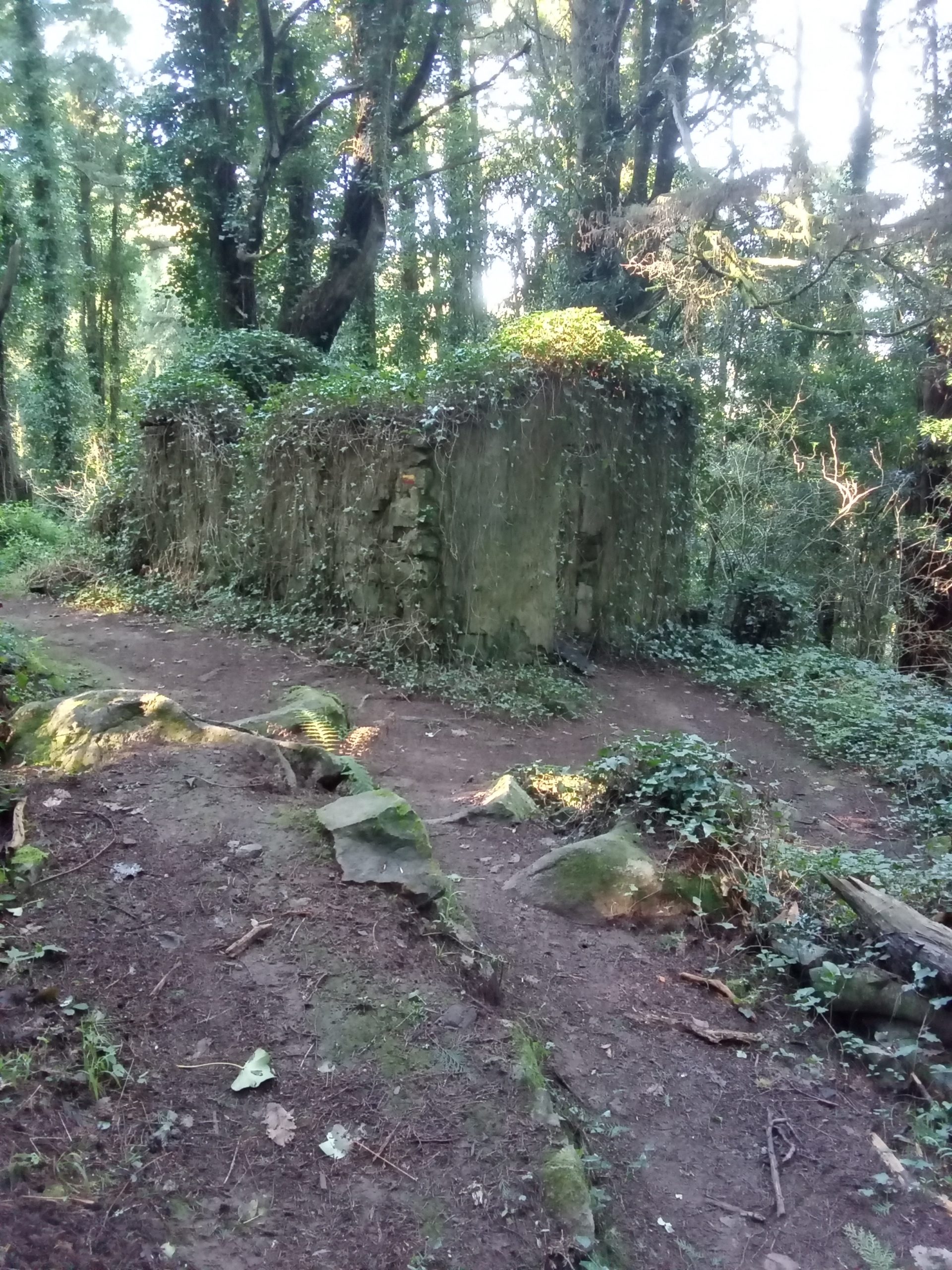
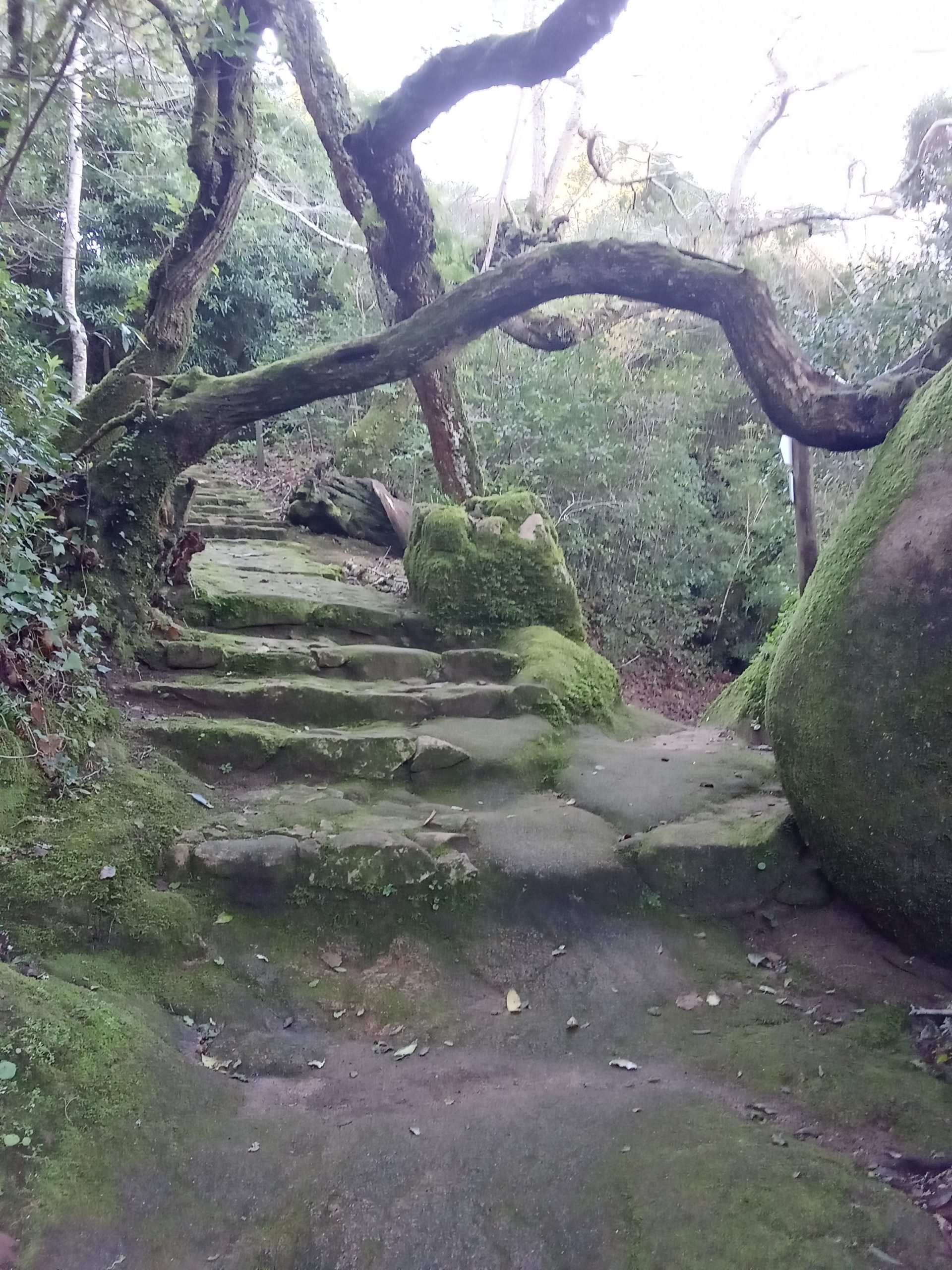
We were struck by the size of the monks’ cells and by the mystical atmosphere of the surrounding forest, which seems to merge with the buildings. Much of the original forest has been preserved to this day.
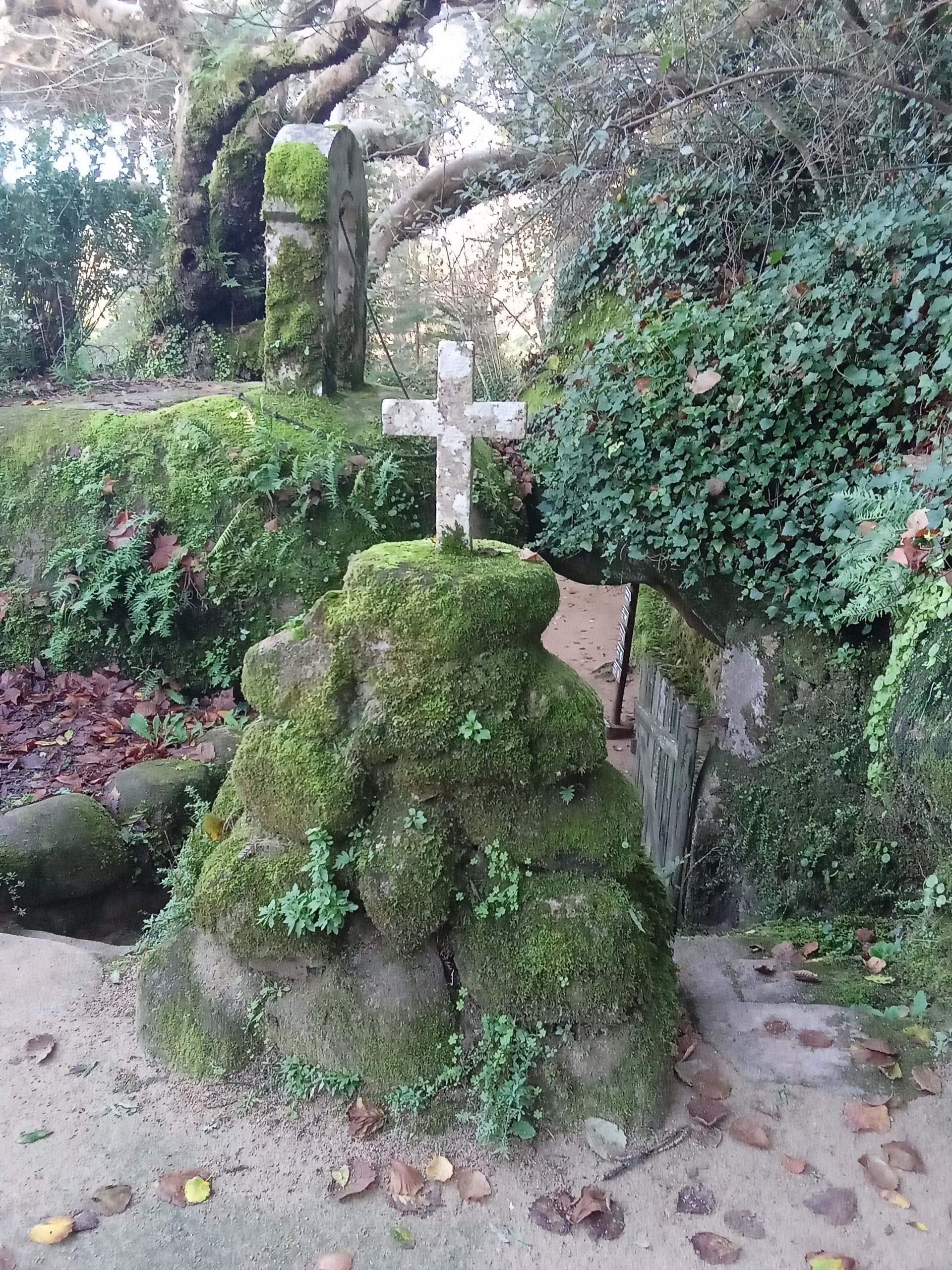
We recommend visiting the convent and exploring its various corners, including Terreiro das Cruzes, the cloister and the Chapel of the Crucifixion.
On our way back, we planned to follow a route on our GPS that passed through Quinta das Sequóias and Quintinha de Monserrate. However, the GPS stopped working, so we tried to retrace our steps instead. We’ll save the rest of the route for another visit.
Our stay in Sintra was short, but it left us wanting to explore more. From the quiet paths of Tapada de Monserrate to the mystical surroundings of the Convent of the Capuchos, this walk revealed another side of the Sintra Mountains. There was still so much left to discover, so we’ll have to save the rest for our next visit. We’ll be back!