Our trip to Terceira in September 2020 was a real adventure. Planned and booked months in advance, it was uncertain whether we would be able to travel due to the pandemic. Fortunately, everything went ahead, and with our negative COVID-19 test results, we were ready to explore this beautiful Azorean island.
We stayed in a local accommodation, in Agualva, in the northeast of the island, surrounded by green fields and overlooking the sea. The surrounding tranquility, friendliness and hospitality of the people of the island is something that will be etched in our memories.
With lovely weather ahead, we were ready to explore Terceira with our five-year-old daughter. We had a hiking plan and some useful recommendations from our host, and were eager to discover the island.
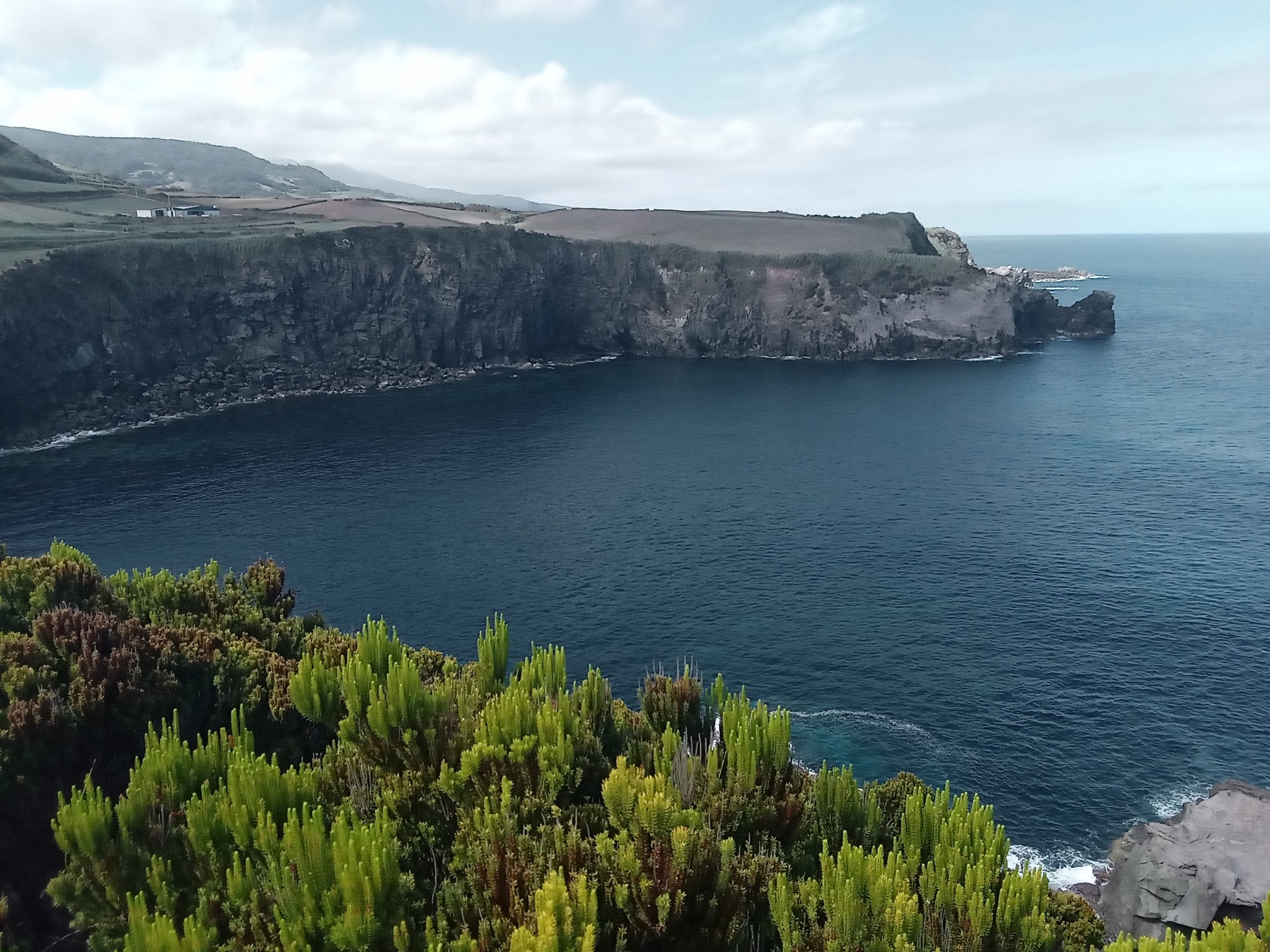
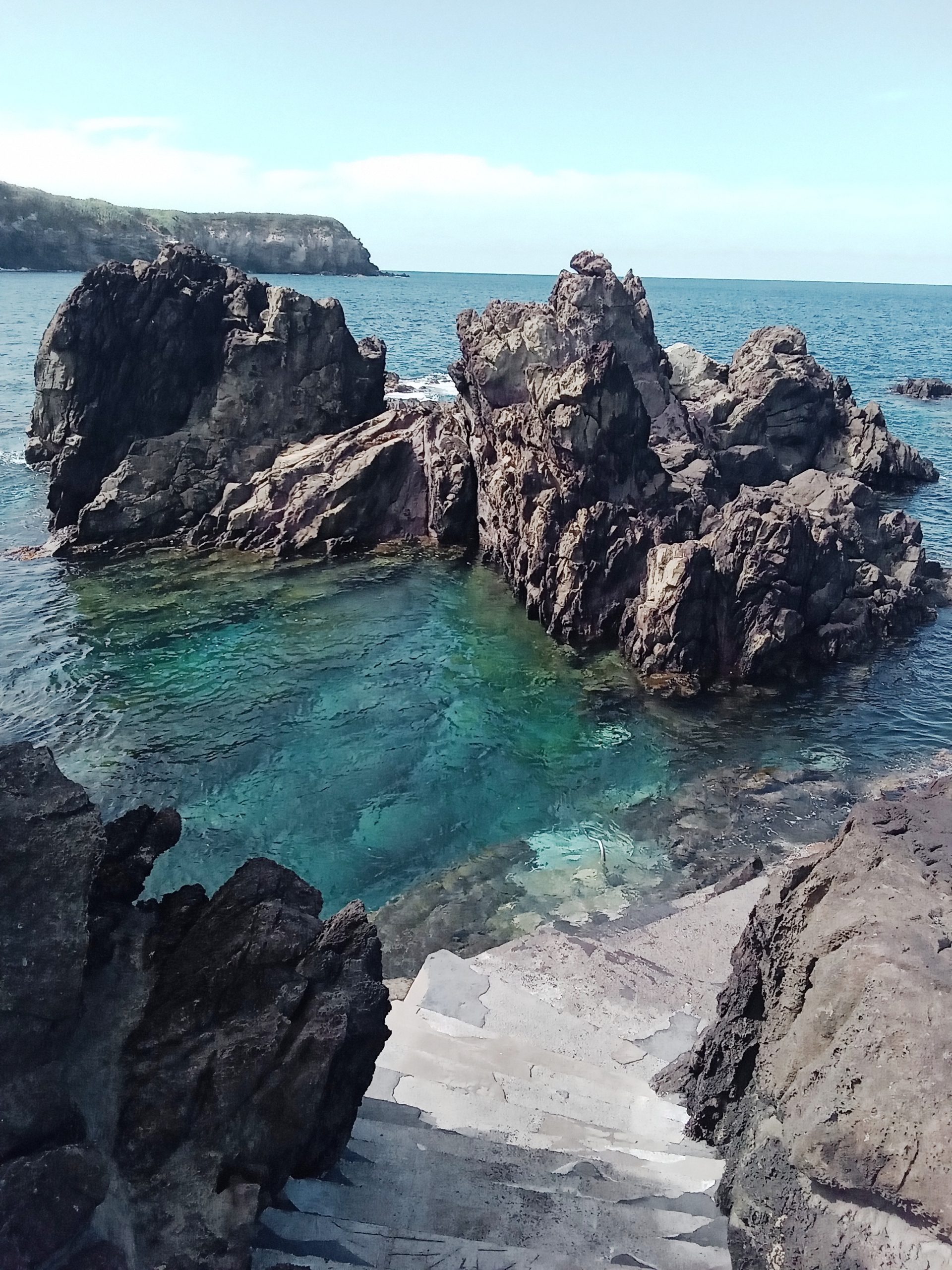
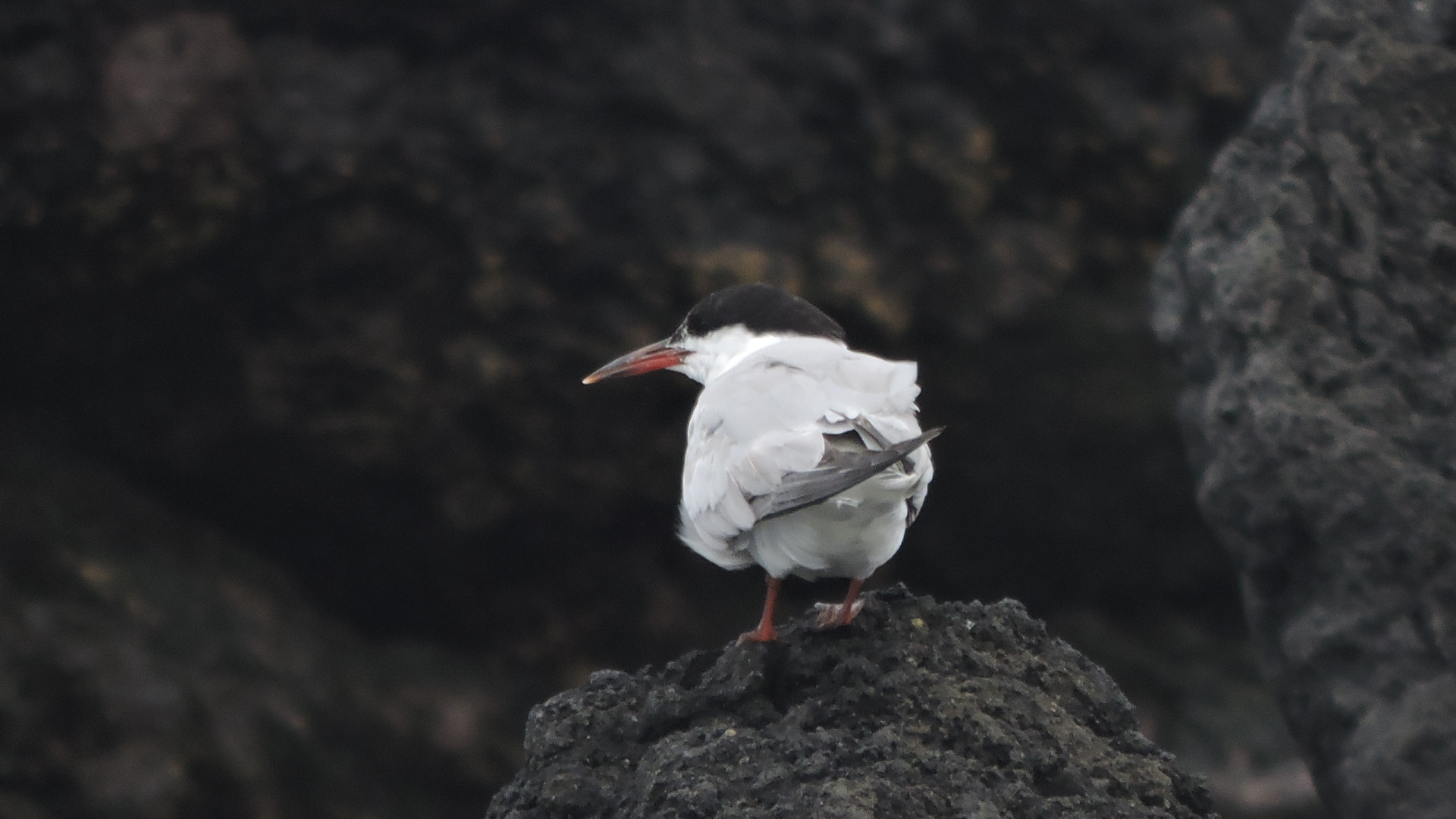
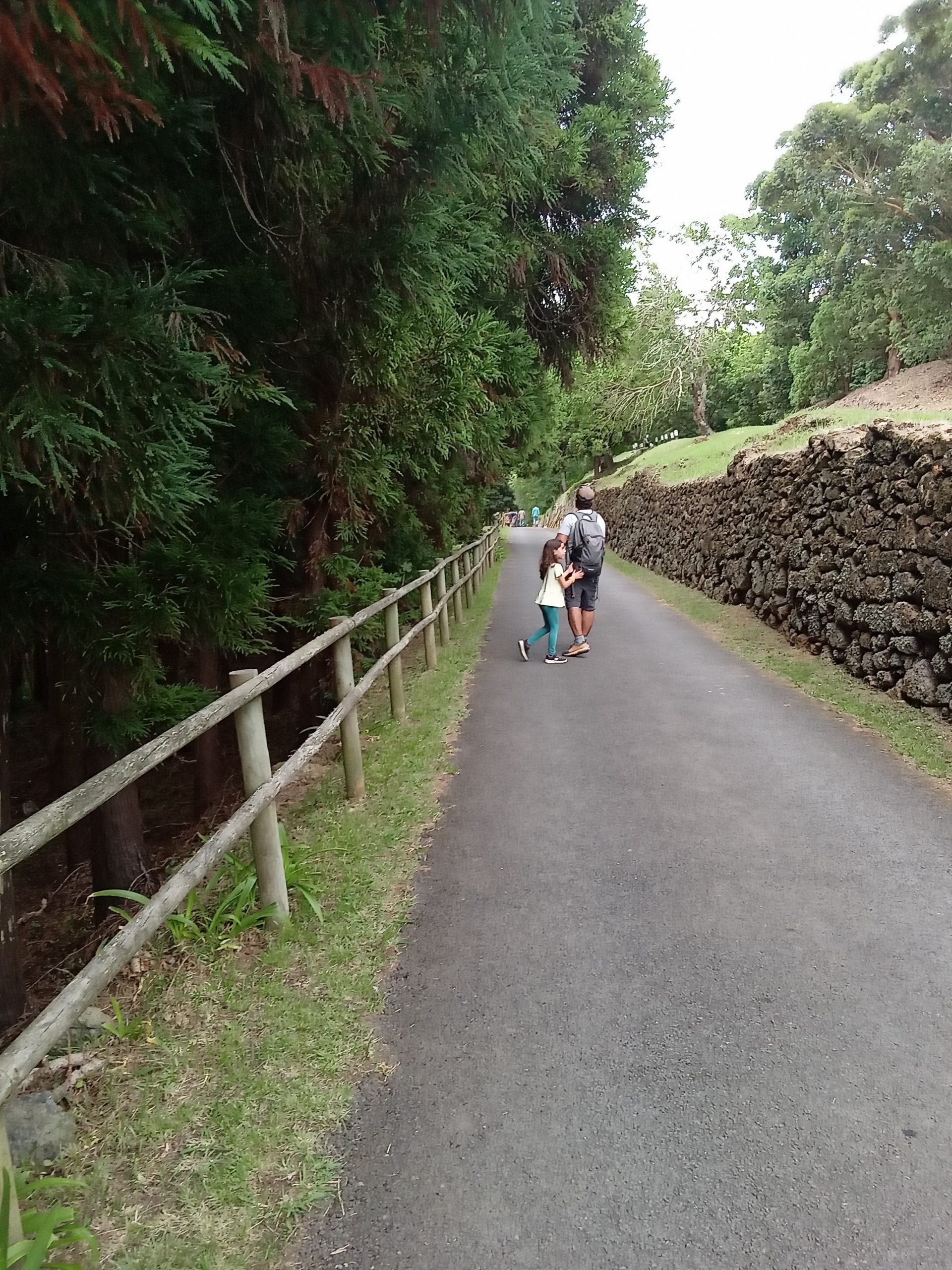
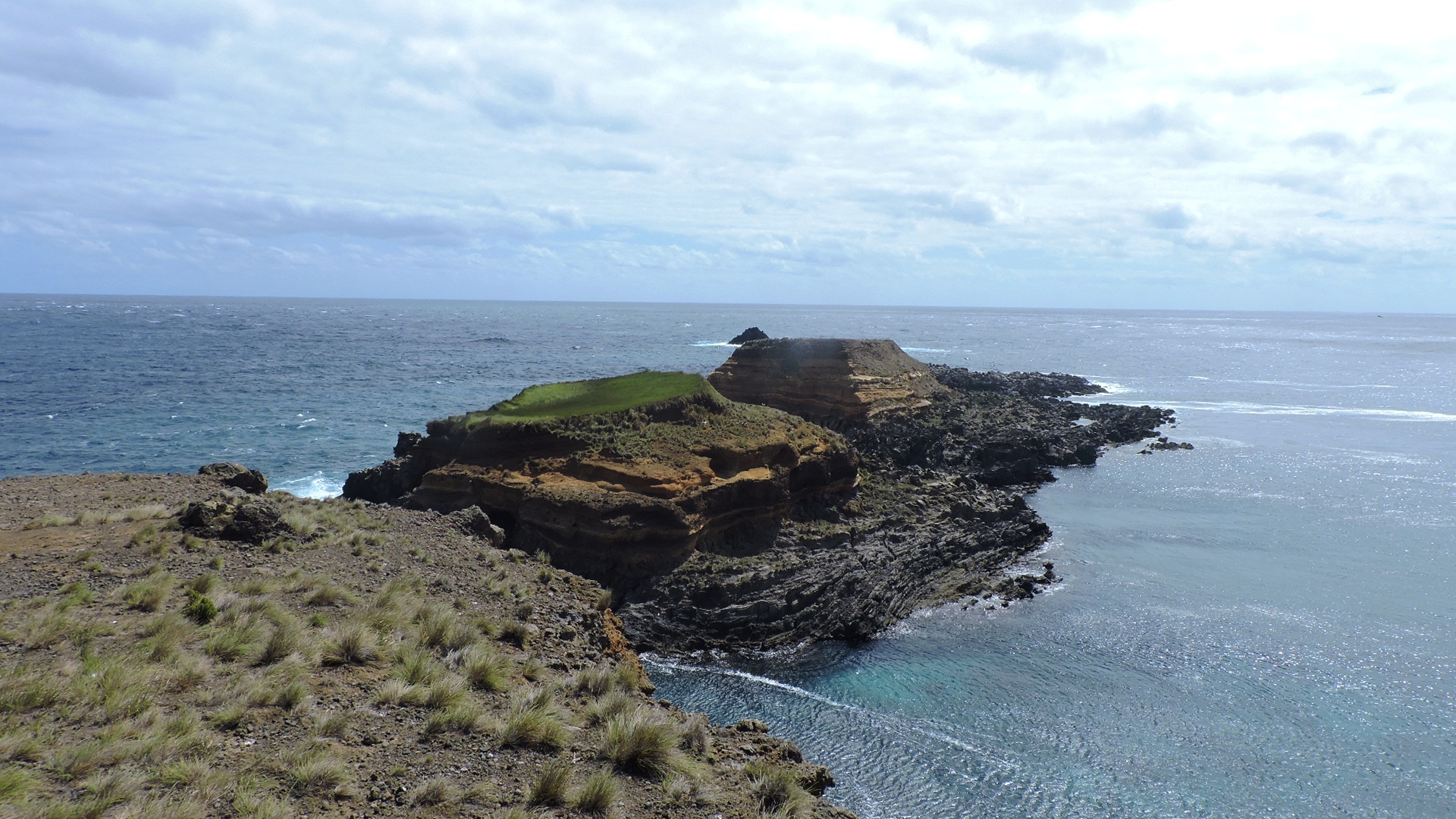
On our first day, we chose to hike the 4 km Baías da Agualva trail along Terceira’s northern coast. The route features dramatic cliffs, picturesque bays and fascinating volcanic rock formations, offering beautiful views over the Atlantic. Along the way, we spotted several seabirds, particularly terns flying along the coast. Afterwards, we headed to the natural pools of Quatro Ribeiras, formed by volcanic rock, where we relaxed and enjoyed a swim. Thanks to the influence of the Gulf Stream, sea temperatures in the Azores generally range from around 17°C in winter to 23°C in summer. To round off the day, we visited the Biscoitos Wine Museum.
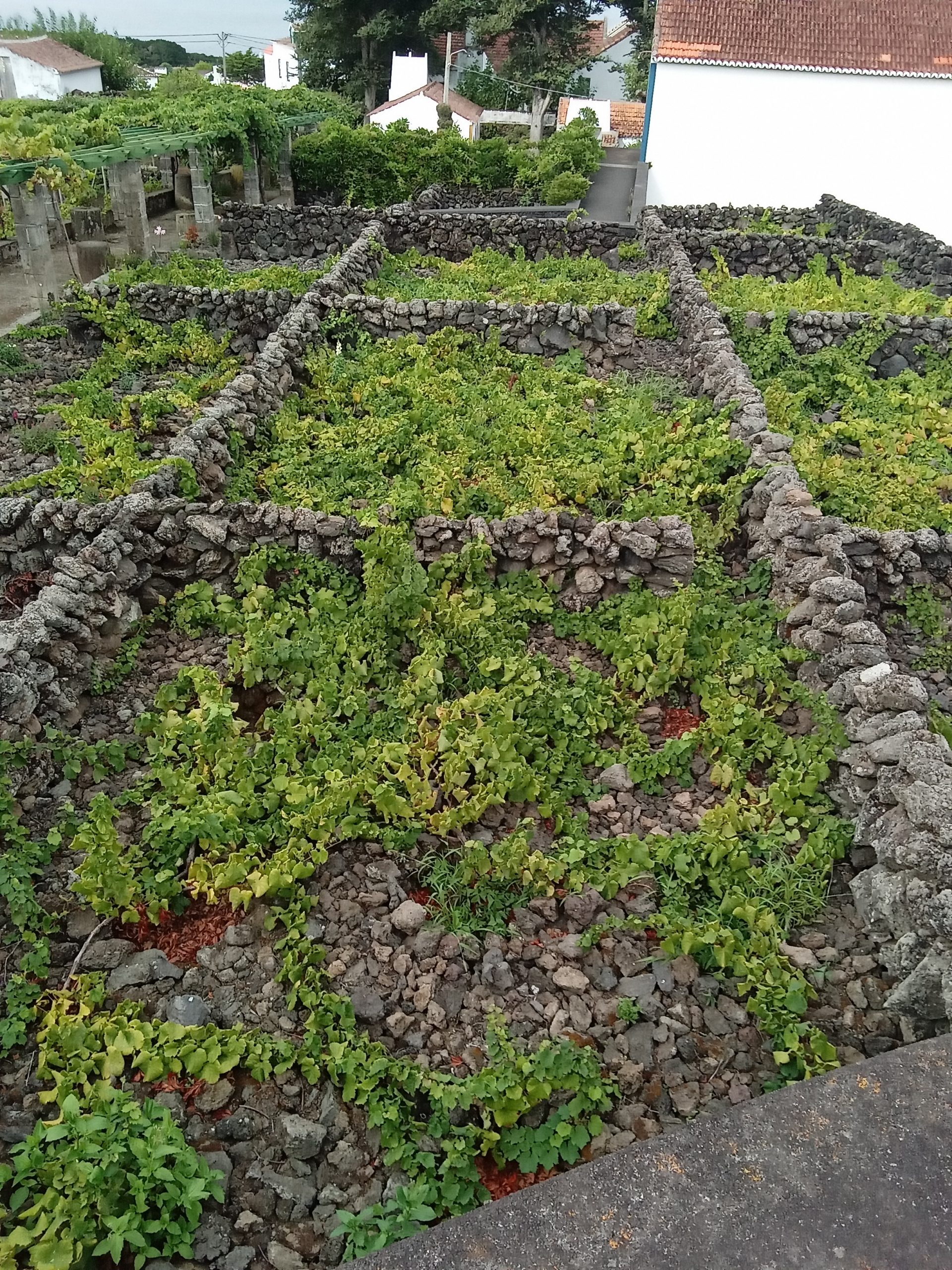
The Biscoitos area is characterised by its volcanic landscape and famous vineyards, where the vines are grown in small plots enclosed by dry-stone walls known as “curraletas”. The wines produced here are mainly made from the Verdelho grape variety.
On the second day, we had booked a whale-watching trip. Once again, we were lucky with the weather, which was perfect for heading out to sea. From Angra do Heroísmo, we set off to fulfil another family dream: seeing whales in their natural habitat.
As the boat moved away from the coast, Monte Brasil stood out against the landscape. A whale had been spotted by the lookout, and we headed out in search of it. After following its trail for a while, we finally caught sight of its back and dorsal fin as it surfaced. It was a sei whale (Balaenoptera borealis), a baleen whale and one of the largest whale species in the world. Unlike toothed whales, baleen whales have rows of flexible, comb-like plates in their mouths, which they use to filter food such as krill and small fish from the water.
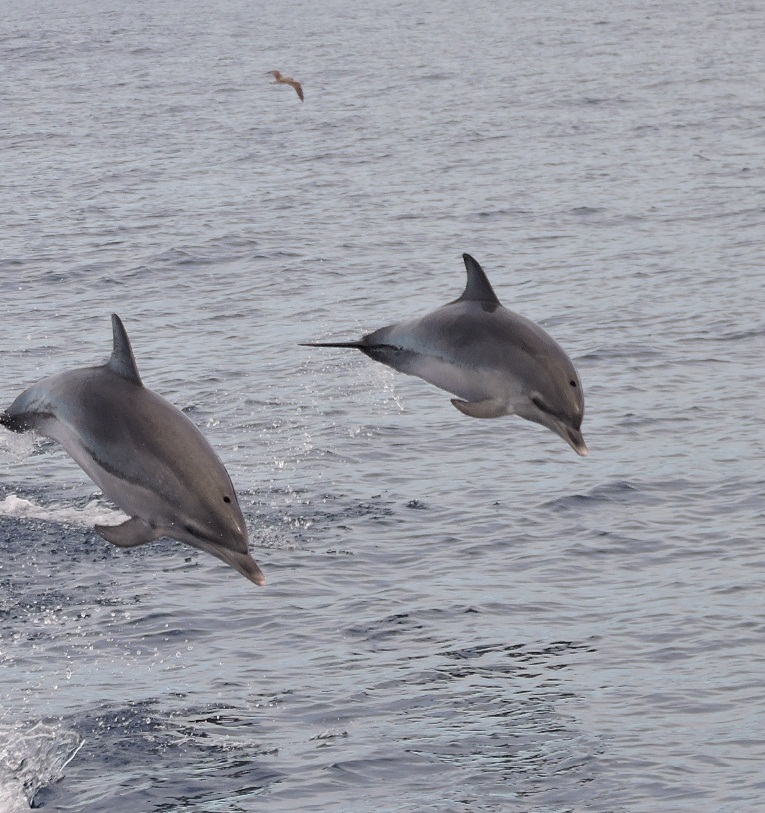
We were also lucky enough to encounter several groups of dolphins belonging to three different species: Atlantic spotted dolphins, common dolphins and harbour porpoises. The spotted dolphins were particularly playful, swimming alongside the bow of our boat for quite some time. Harbour porpoises, on the other hand, tend to be more elusive and are less likely to approach boats. It was an unforgettable experience that we highly recommend to anyone who loves nature and marine wildlife.
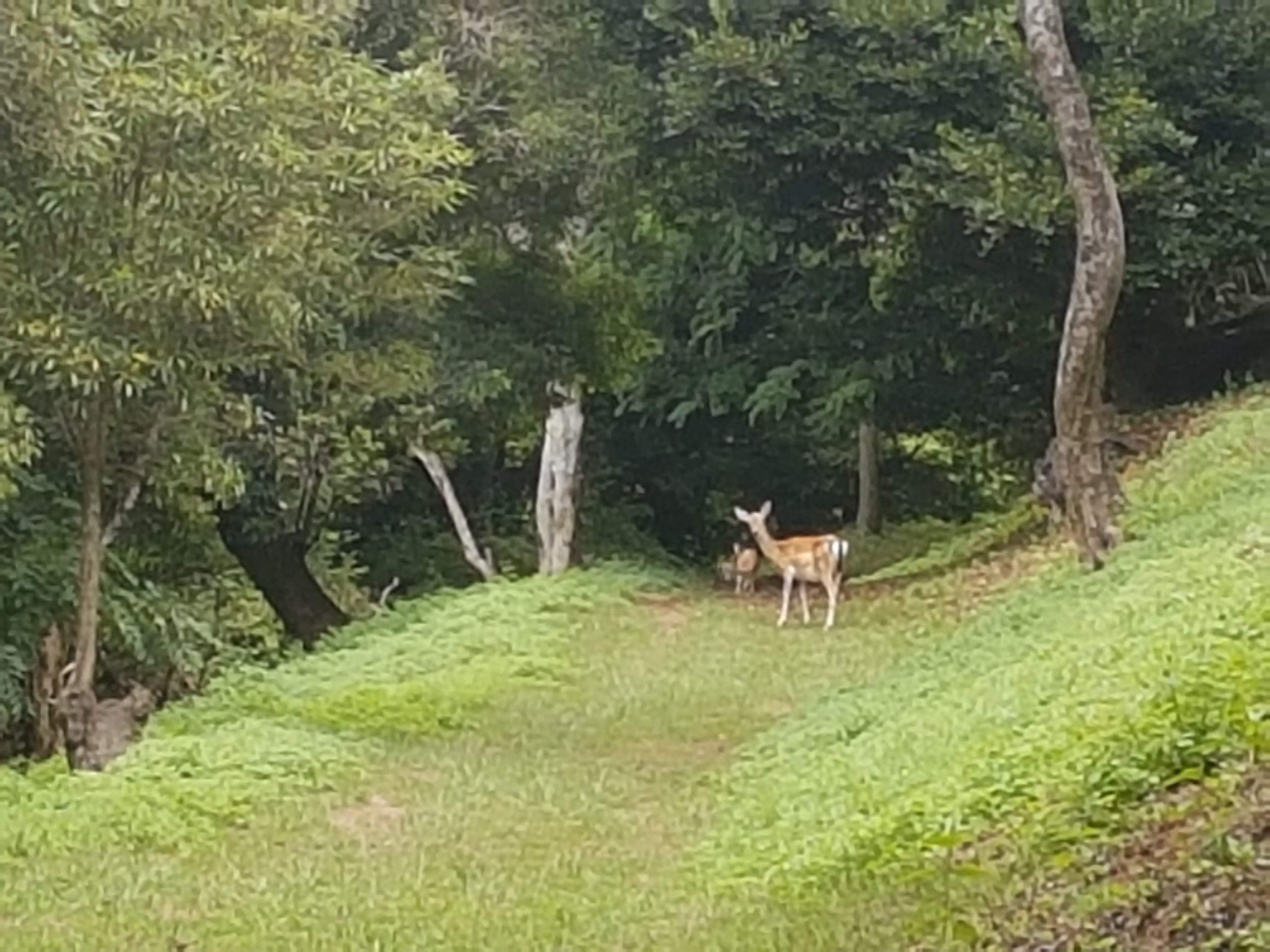
After lunch in Angra do Heroísmo, we explored the hiking trail at Monte Brasil. This ancient volcanic peninsula, formed by an underwater eruption and later connected to the island, offers a fascinating mix of nature, history and spectacular views. The circular trail passes through wooded areas, follows parts of the historic defensive complex of São João Baptista Fortress and leads to viewpoints such as Pico do Facho and Pico das Cruzinhas, where you can enjoy beautiful views over Angra do Heroísmo and its bay. Along the way, you can also discover native Azorean heather and spot fallow deer among the trees.
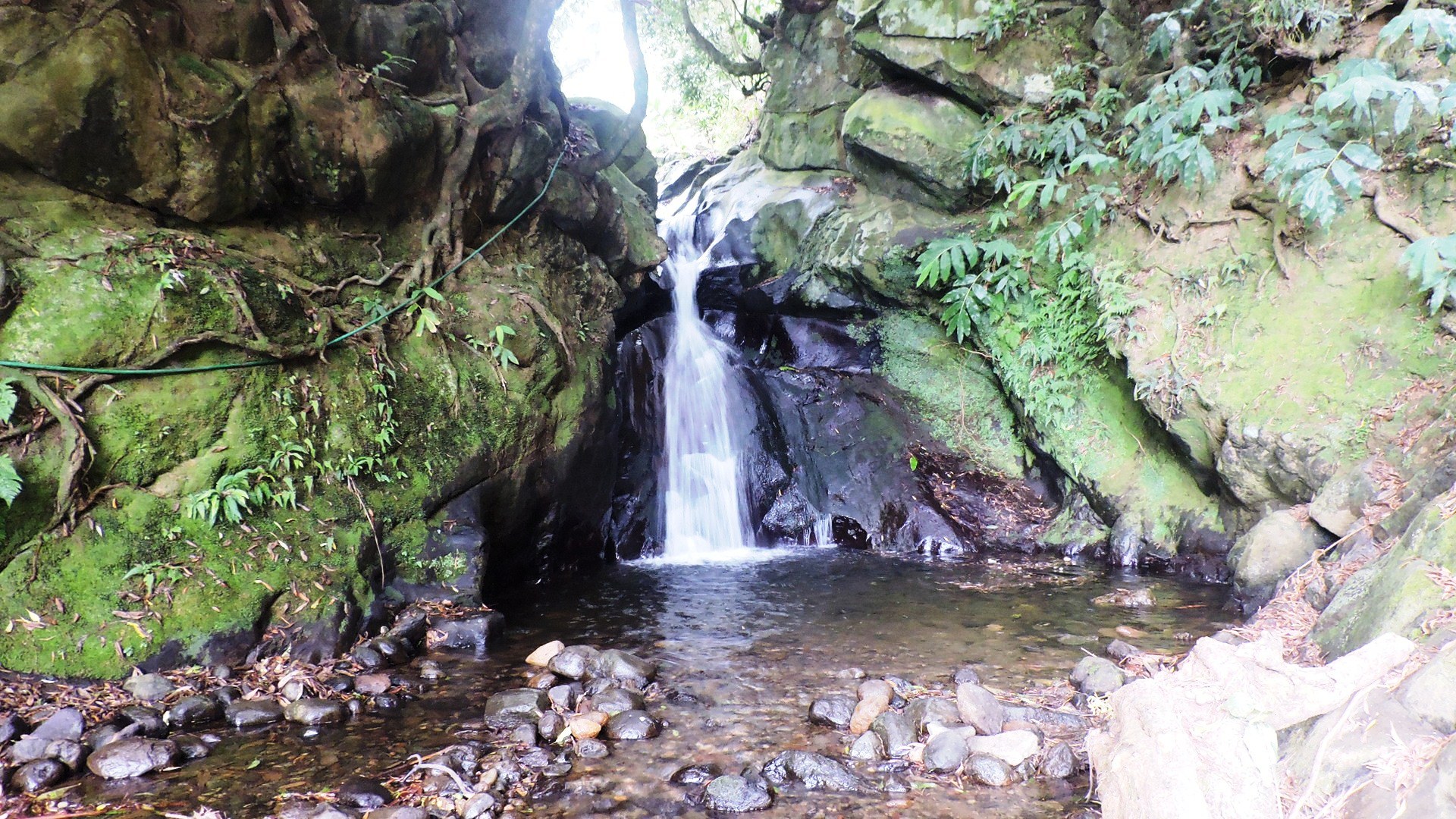
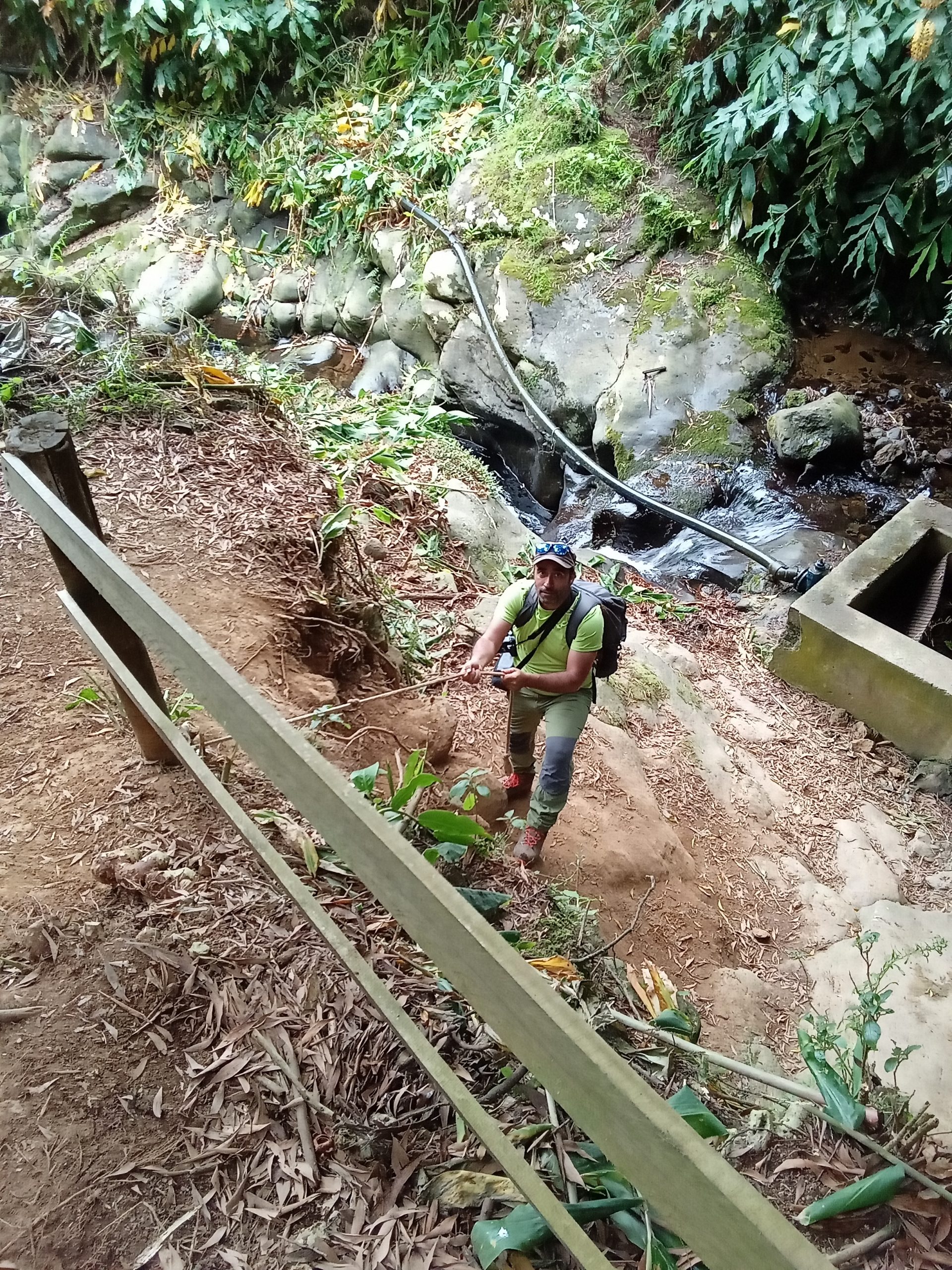
The third day was rainy, so we took the opportunity to explore the Ribeira de Agualva trail, a short 2 km route known for its waterfalls. Despite its short distance, the trail has some quite technical sections, where ropes are needed to negotiate certain stretches. The stream is also used for canyoning, an activity we were keen to try. The waterfalls of the Agualva stream did not disappoint either.
In the afternoon, we visited Algar do Carvão, Gruta do Natal and Furnas do Enxofre, despite the torrential rain sweeping across the island’s interior.
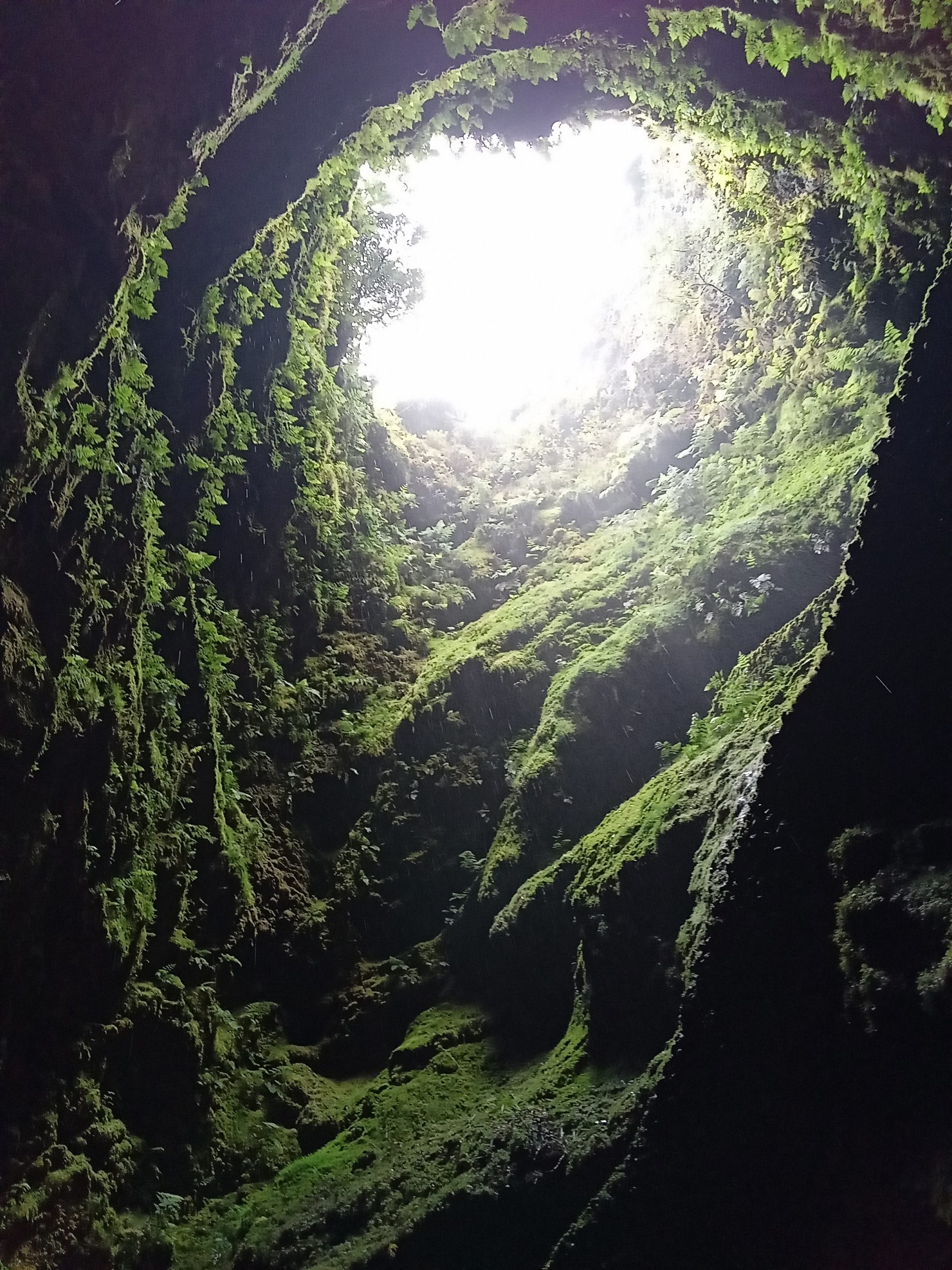
Algar do Carvão is a remarkable volcanic chimney that reaches a depth of approximately 90 metres, ending in a small underground lake. Inside, you can admire rare silica stalactites and stalagmites, as well as vegetation growing along the walls where sunlight reaches. What we loved most was standing inside the volcanic chamber and looking up at the lush green walls surrounding us. The scene reminded us of the extraordinary underground worlds described in Jules Verne’s novels.
At Gruta do Natal, we explored a lava tube stretching for approximately 697 metres. Inside, we could observe fascinating geological formations, including traces of different lava flows, offering a glimpse into the volcanic processes that shaped the island.
We then visited Furnas do Enxofre, a natural monument featuring a fumarolic field. Here, volcanic gases escape through cracks in the ground, releasing steam, carbon dioxide and sulphurous gases. The site offers a fascinating opportunity to observe the island’s ongoing geothermal activity.
To round off the day, we stopped for a cheese tasting at the producer of Queijo Vaquinha, where we sampled several varieties of traditionally made cheese. We paired them with a glass of Biscoitos wine and took some time to relax. From the terrace, on a clear day, you can even enjoy views of the neighbouring islands of São Jorge and Graciosa. What a lovely way to end the day!
On the fourth day, we explored the Forts of São Sebastião trail, a coastal route combining history, nature and beautiful ocean views. The trail passes the remains of several fortifications built between the 16th and 17th centuries to defend the island against attacks from the sea. Along the way, we discovered old stone forts overlooking the coastline, including the Forte da Greta and Forte de Santa Catarina das Mós, both dating back to 1581. The route also offers views of Baía da Mina and the surrounding volcanic landscape.
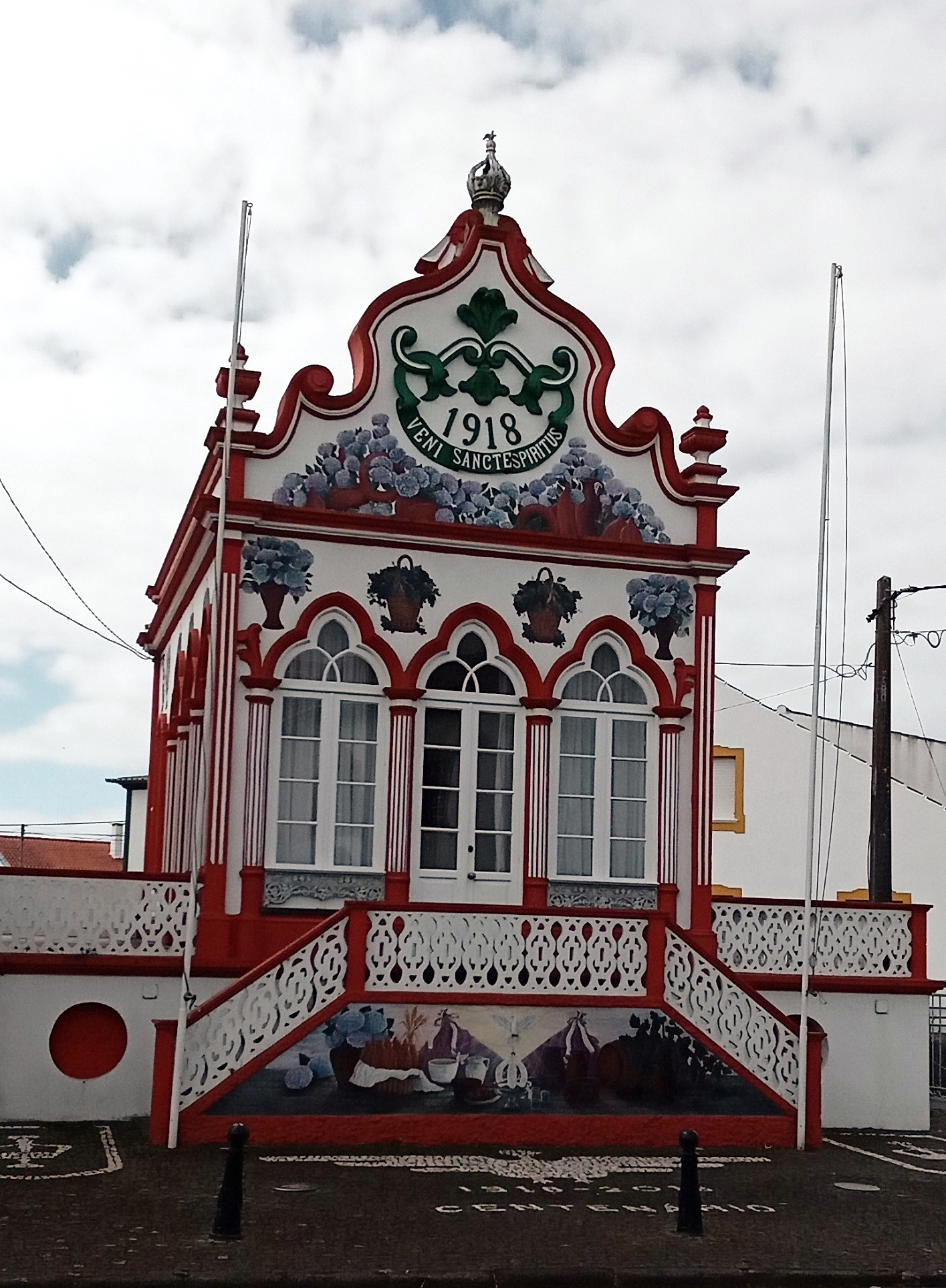
In the village of São Sebastião, we admired one of the traditional Impérios do Espírito Santo, small, colourful buildings that are an important part of Terceira’s cultural identity. These unique structures are closely linked to the island’s centuries-old Holy Spirit festivities, celebrated from Easter to Pentecost and beyond. The celebrations reflect strong community traditions, including processions and the sharing of food.
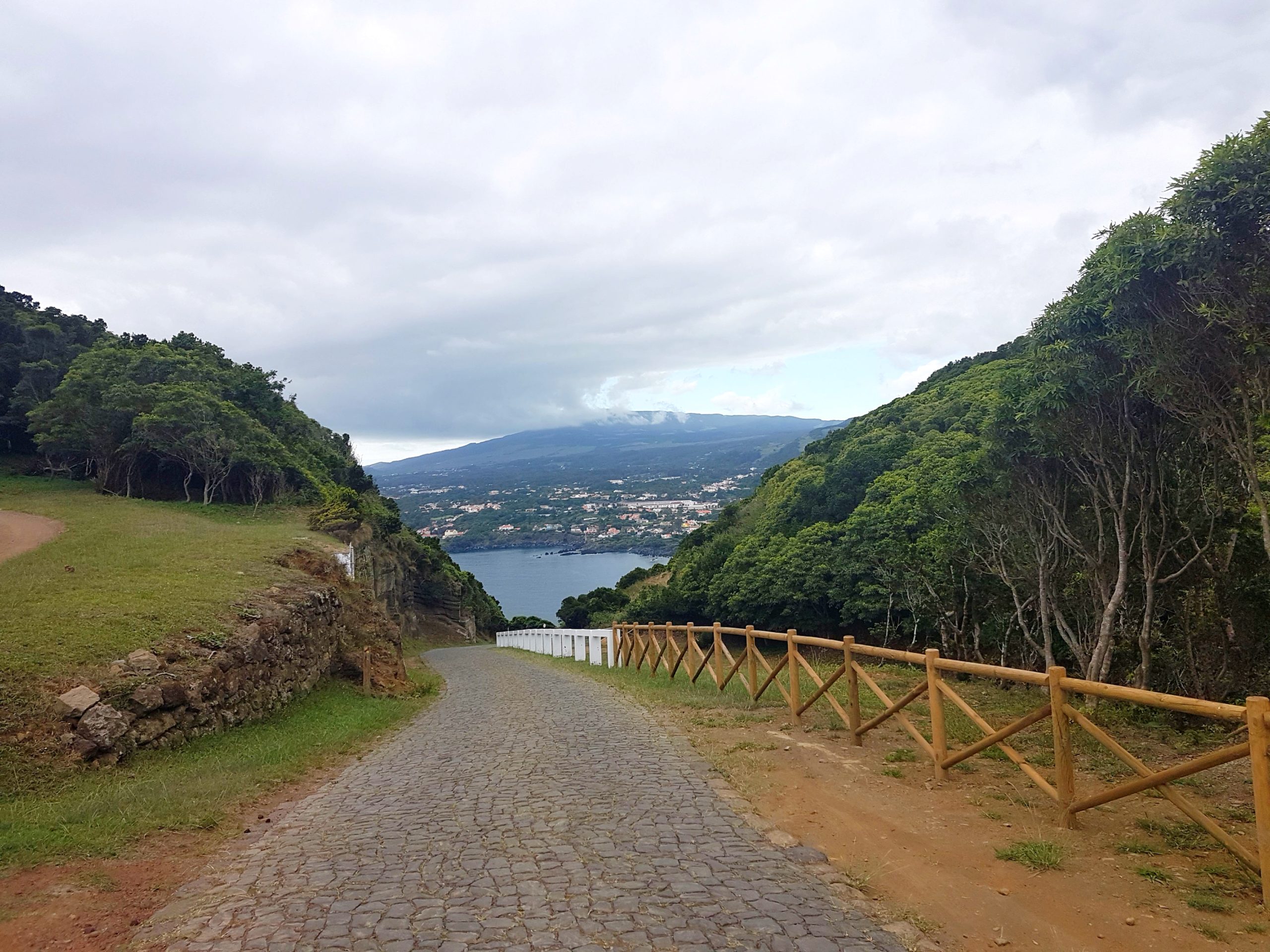
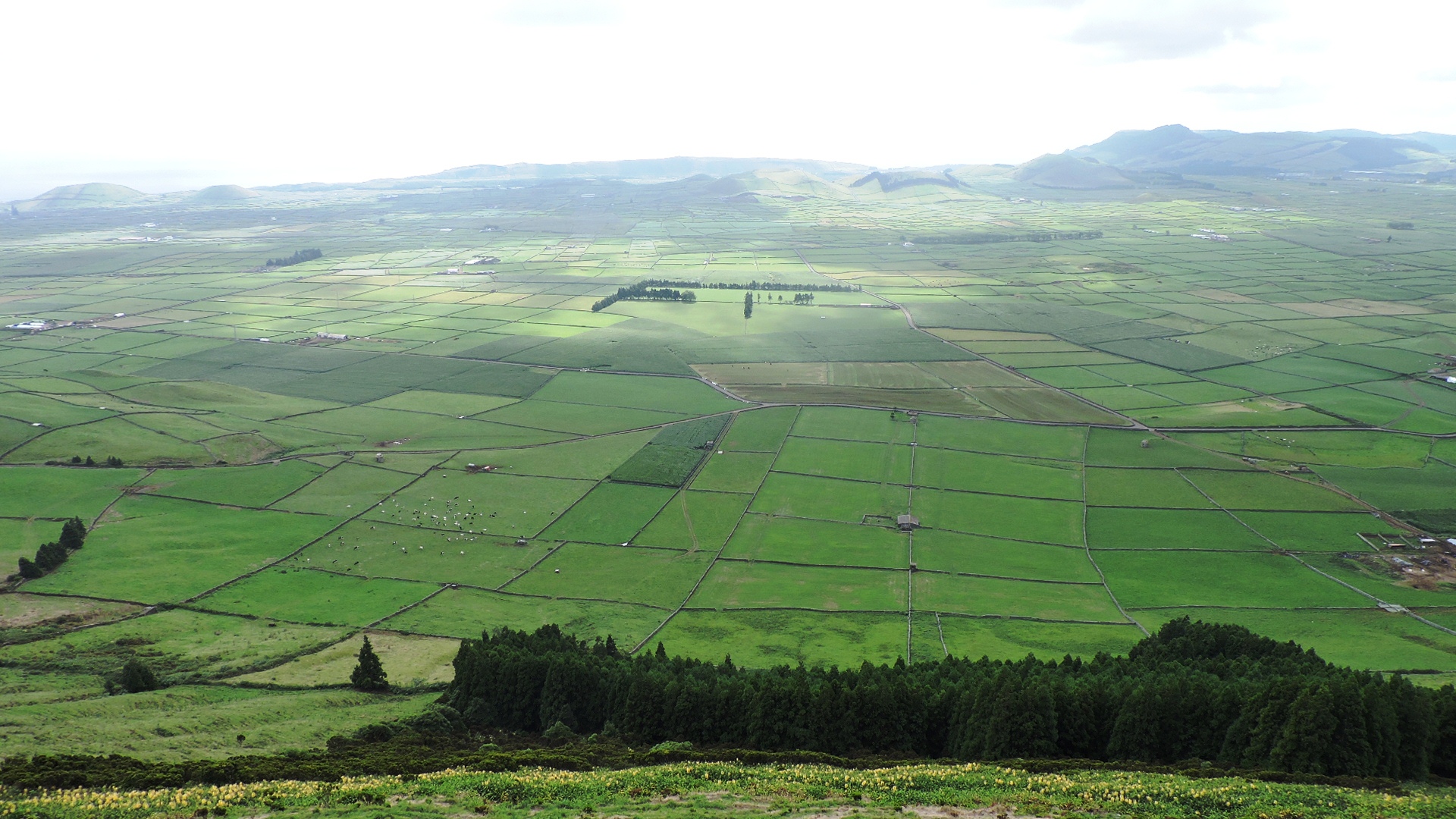
After the walk, we drove to the Serra do Cume Viewpoint, at an altitude of approximately 545 metres. From here, we enjoyed a panoramic view over Praia da Vitória and the island’s central plain, where fields are divided by dark volcanic-stone walls. This distinctive patchwork landscape has become one of the most recognisable images of the Azores.
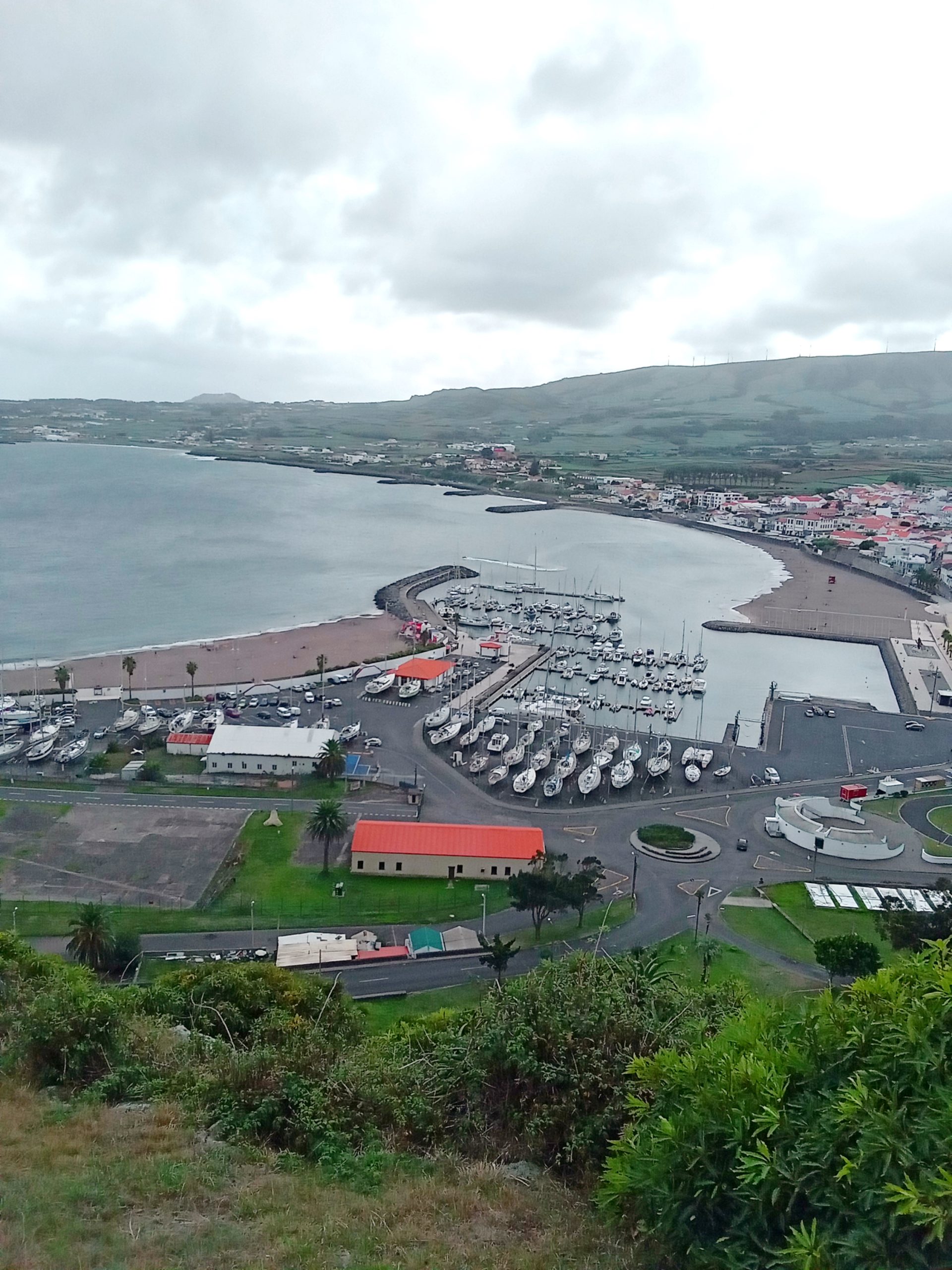
Our final stop was the Facho Viewpoint, offering lovely views over Praia da Vitória and its bay.
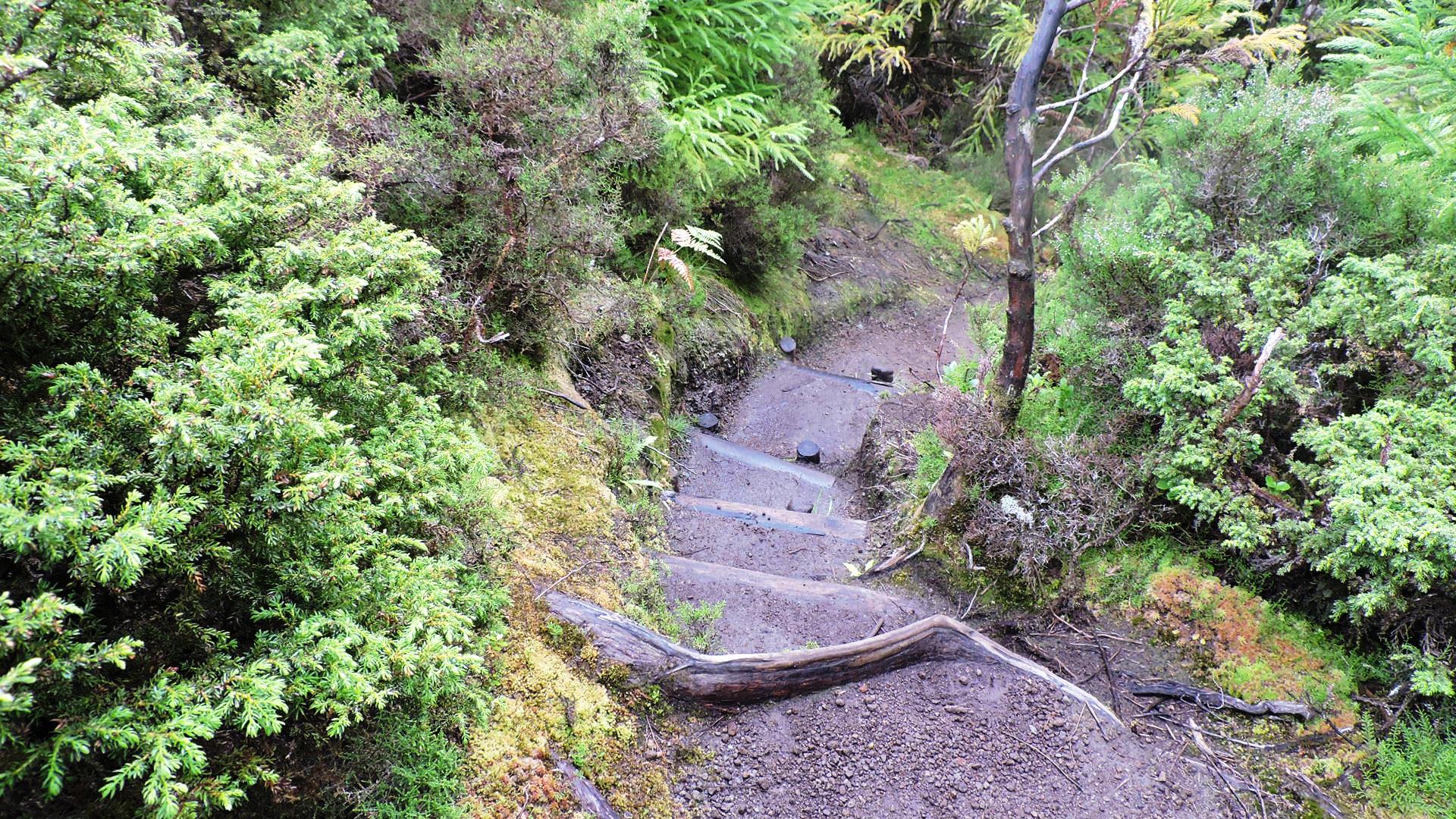
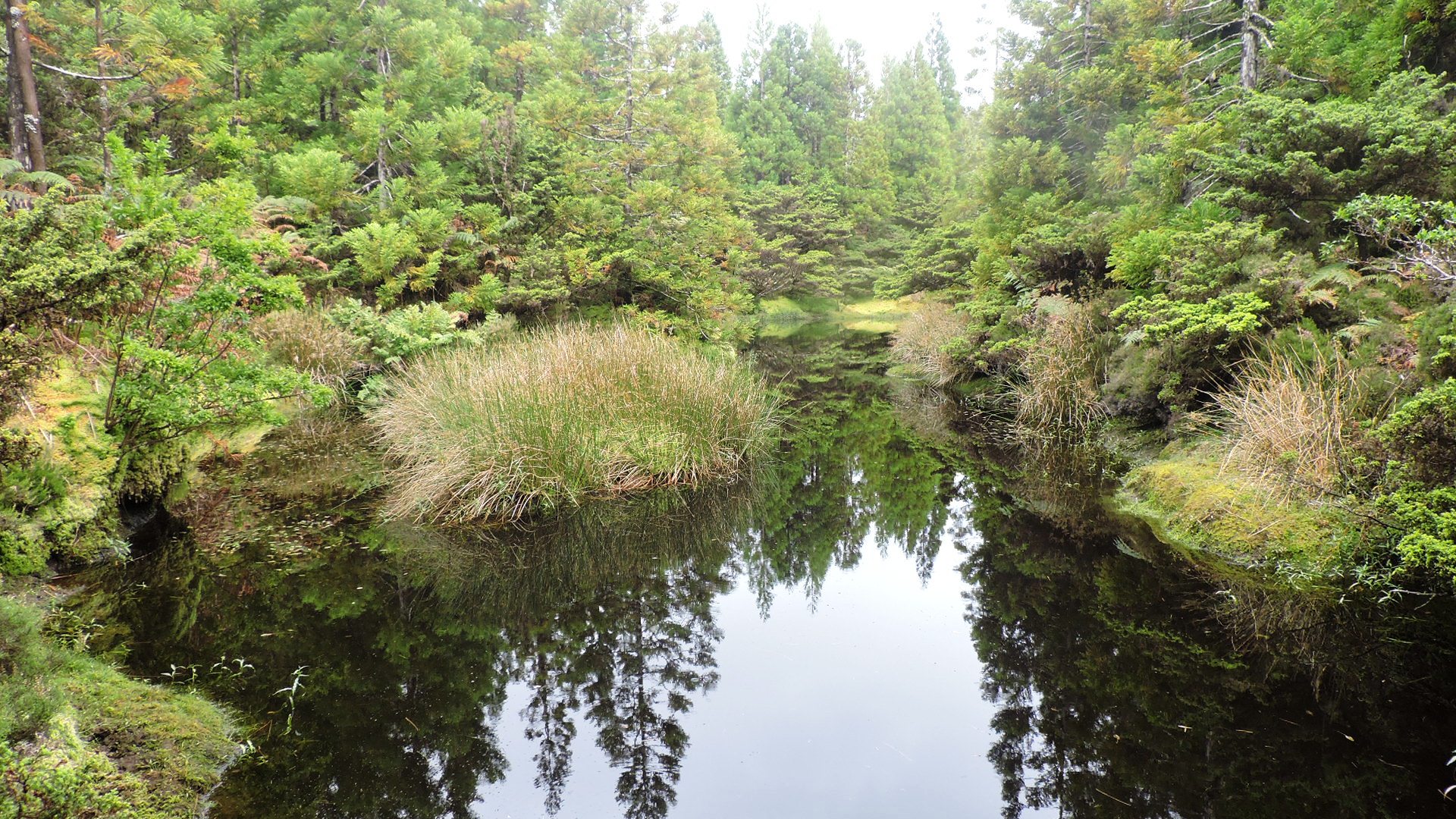
On our fifth and final full day on Terceira, heavy rain and an approaching storm limited our plans. The Mistérios Negros Trail, one of the island’s most spectacular hiking routes, was still on our list. Located within the Santa Bárbara and Mistérios Negros Nature Reserve, the trail crosses a fascinating volcanic landscape, with dense vegetation, unusual lava formations and small lagoons, including Lagoinha do Vale Fundo, which provides habitat for birds and can be an important stopover for migratory species.
Despite the challenging weather, Michael set off to explore the trail, equipped with waterproof trousers and a poncho.
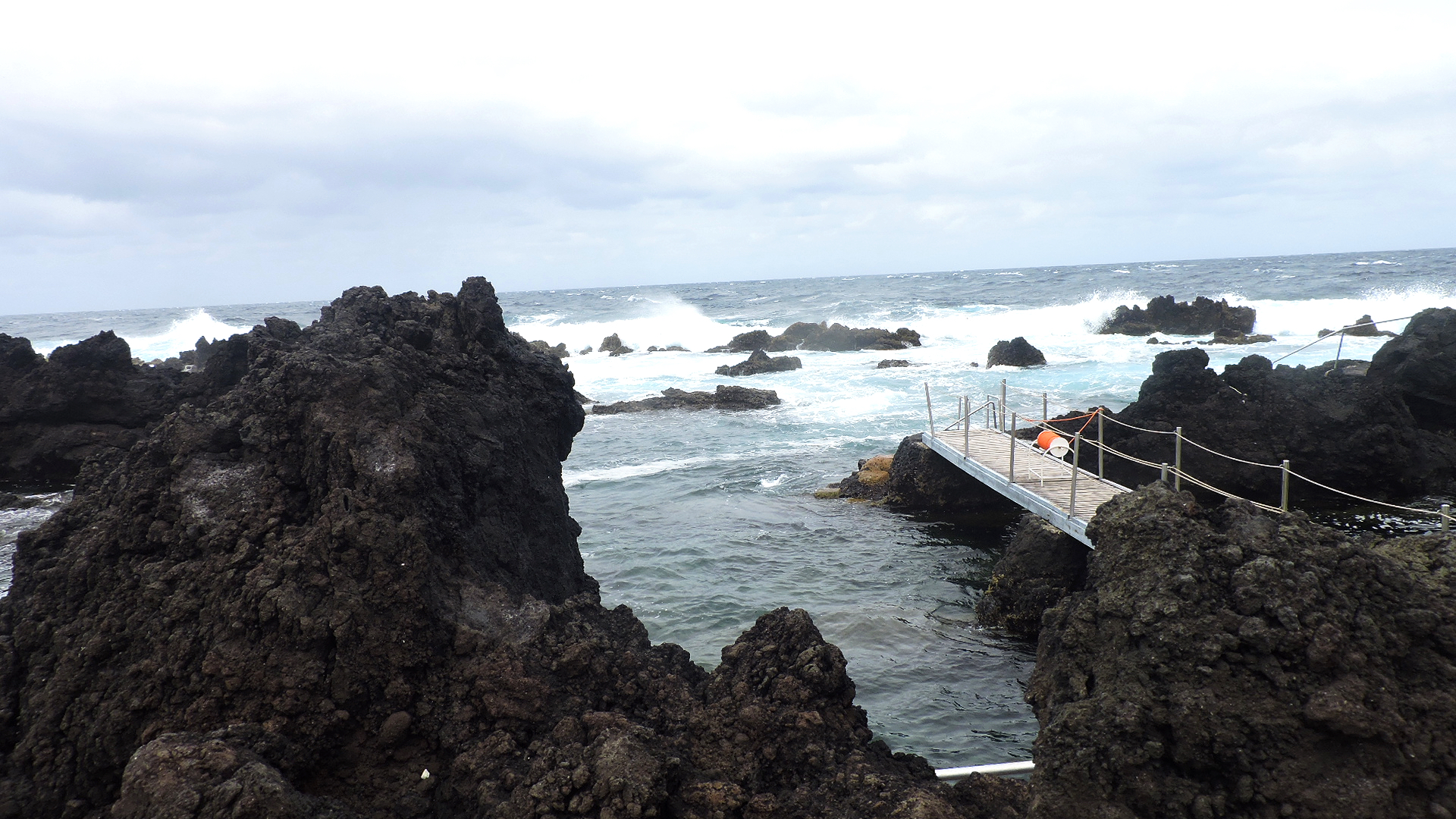
Later, we visited the Biscoitos Natural Pools, one of our favourite coastal spots on the island. Formed by volcanic rock, these natural pools are a wonderful place to enjoy the Atlantic. With the rain continuing, we decided to skip the swim this time.
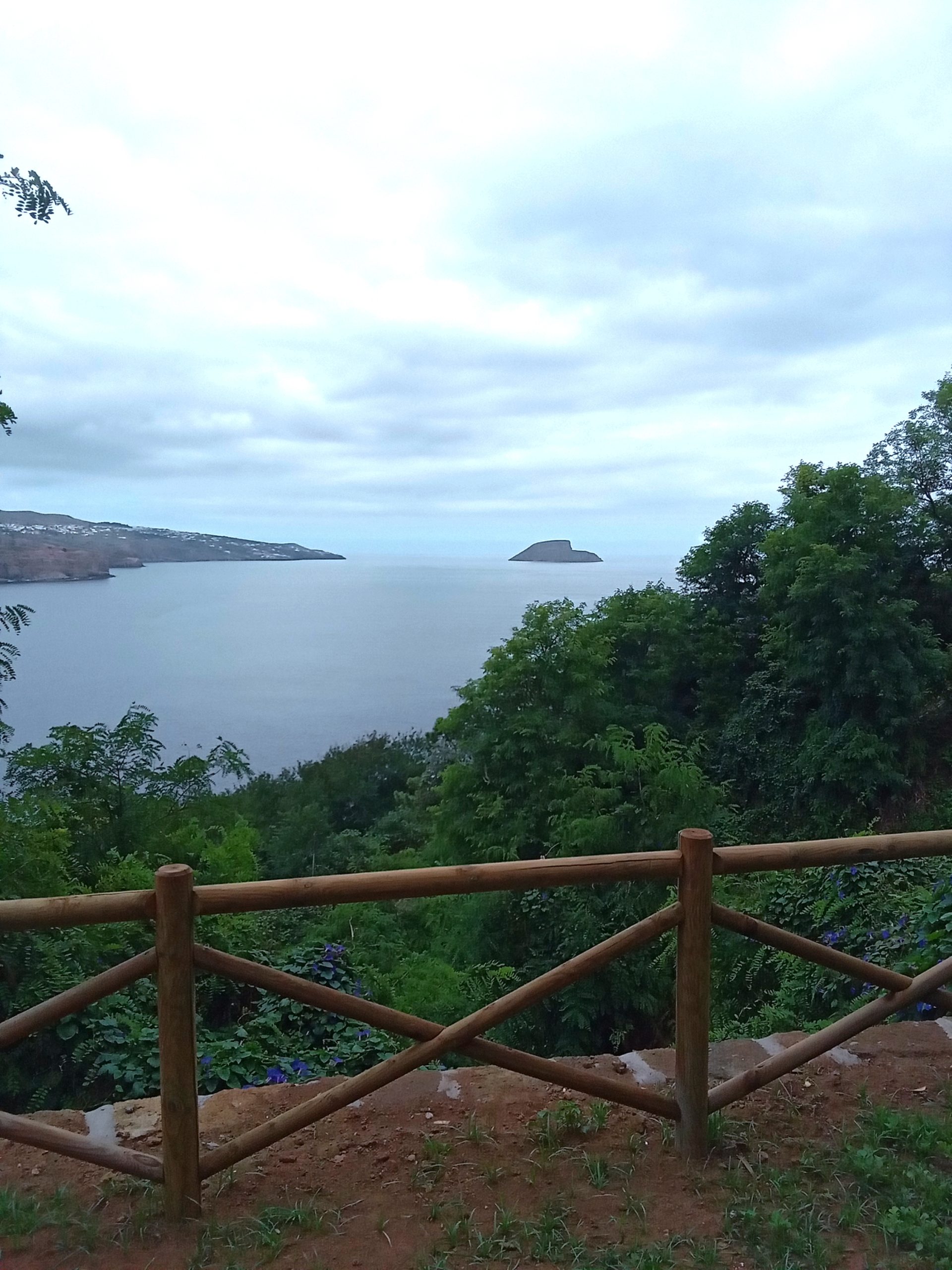
Instead, we bought some corn on the cob and headed to a viewpoint overlooking the bays of Agualva, where we stopped to eat and take in the scenery.
It was our last opportunity to explore Terceira, and there was still so much left to discover. We would love to return one day, perhaps when our daughter is older and ready for longer hikes. For now, we left the island with wonderful memories and plenty of reasons to come back.
Terceira is the second most populated island in the Azores.
Together with Graciosa, São Jorge, Pico and Faial, it forms part of the Central Group of the Azores archipelago.
The island’s highest point is Serra de Santa Bárbara, at 1,021 metres above sea level.
Its name means “third” in Portuguese, as it was traditionally considered the third island of the Azores to be discovered.
During the Age of Discovery, Terceira played an important role in Atlantic navigation, with Angra serving as a port of call for ships travelling between Europe, Africa, the Americas and the East Indies.
Angra do Heroísmo became an important maritime centre, and its historic centre was designated a UNESCO World Heritage Site in 1983, in recognition of its historical and architectural significance.
The waters surrounding the Azores are home to more than 20 types of cetaceans, making the archipelago a remarkable destination for whale and dolphin watching.
Terceira surprised us with its dramatic volcanic landscapes, rich traditions and incredible marine wildlife. The warmth and hospitality of our hosts, who made us feel like part of the family, made our stay feel truly special. Five days were not enough to discover everything this beautiful island has to offer, and there was still so much left to discover. We would love to return one day, perhaps when our daughter is older and ready for longer hikes. For now, we left the island with wonderful memories and plenty of reasons to come back.