We dedicate the first article of our blog to a visit we made as a family, in June 2020, to the Sanctuary dof Wolves in Mafra.
In 2019, at Christmas, we offered our daughter,as a gift, the sponsorship of a wolf from the Iberian Wolf Recovery Center. In addition to contributing to this conservation project, it was an excellent opportunity to provide our daughter with an enriching experience of environmental awareness and education.
The CRLI was created by Grupo Lobo (Wolf Group) in 1987, with the aim of providing an adequate space to house wolves that cannot live in freedom, coming from zoos, illegal captivity or victims of traps. It is located in the parish of Gradil, in the municipality of Mafra, 30 km north of Lisbon.
The land has 18 hectares and is wooded, in order to recreate the natural habitat of the wolves. The eucalyptus trees that existed on the land have been replaced by oaks, cork oaks and other native trees, in an excellent job of regenerating the habitat.
There are several ways to support Grupo Lobo’s work:
Sponsorship of resident wolves at CRLI
Visiting CRLI and participate in the activities
Through donations
Becoming a member
Find out more information at http://www.grupolobo.pt/.
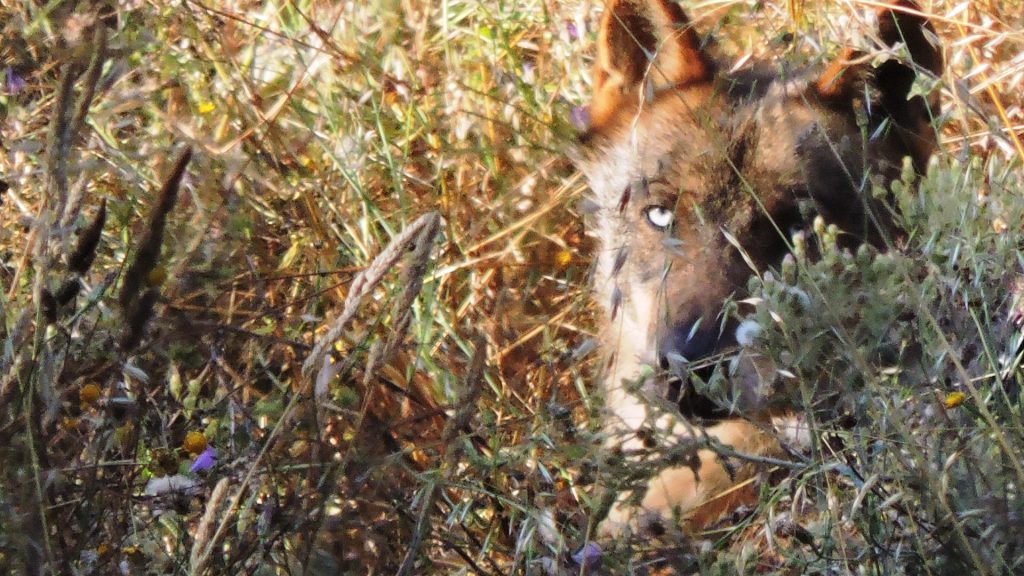
Since the CRLI is not a Zoo, but a Sanctuary, there is no guarantee that you will be able to observe wolves during your visit. On our visit we were lucky and managed to observe two wolves, Faia and Bolota, his companion. The first time, we were able to observe them from afar, but, after advancing a little along the route, we were able to see them much closer to the pens, with their summer fur blending in with the vegetation.
The visit is guided by a biologist, who explains the history and objectives of the centre, exposing various aspects related to the habits of the wolf, its feeding, reproduction and, of course, the theme of conservation. There is a lot of work to be done, to raise awareness to the importance of this great predator for the balance of the ecosystem, and to deconstruct the various myths associated with the wolf.
This is the work that Grupo Lobo has been developing with the populations, in parallel with the Cão de Gado project, which plays a crucial role in protecting herds from wolves. There are some wolf packs that live in the north of Portugal, and these have been closely monitored and studied in order to guarantee their conservation.
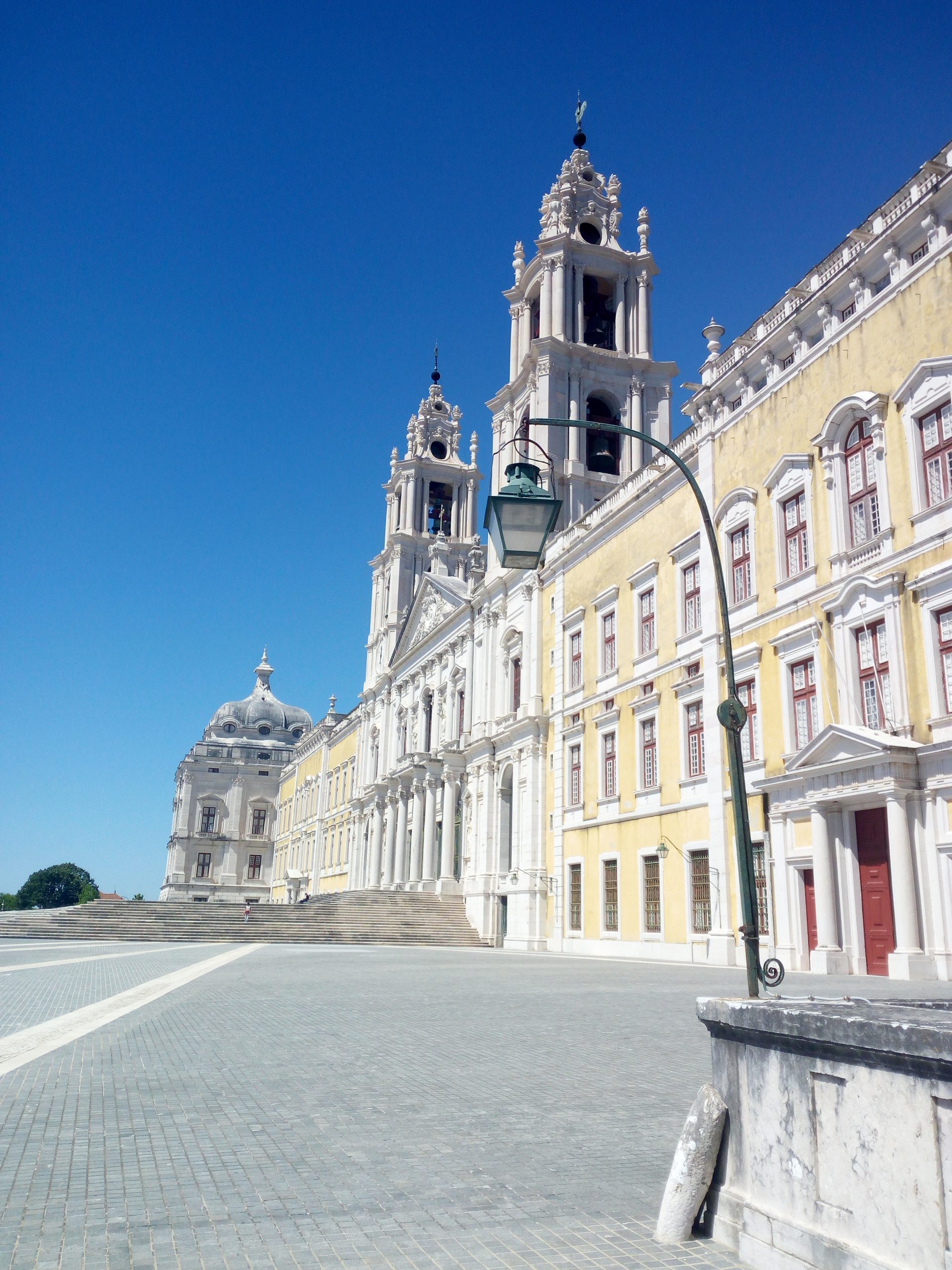
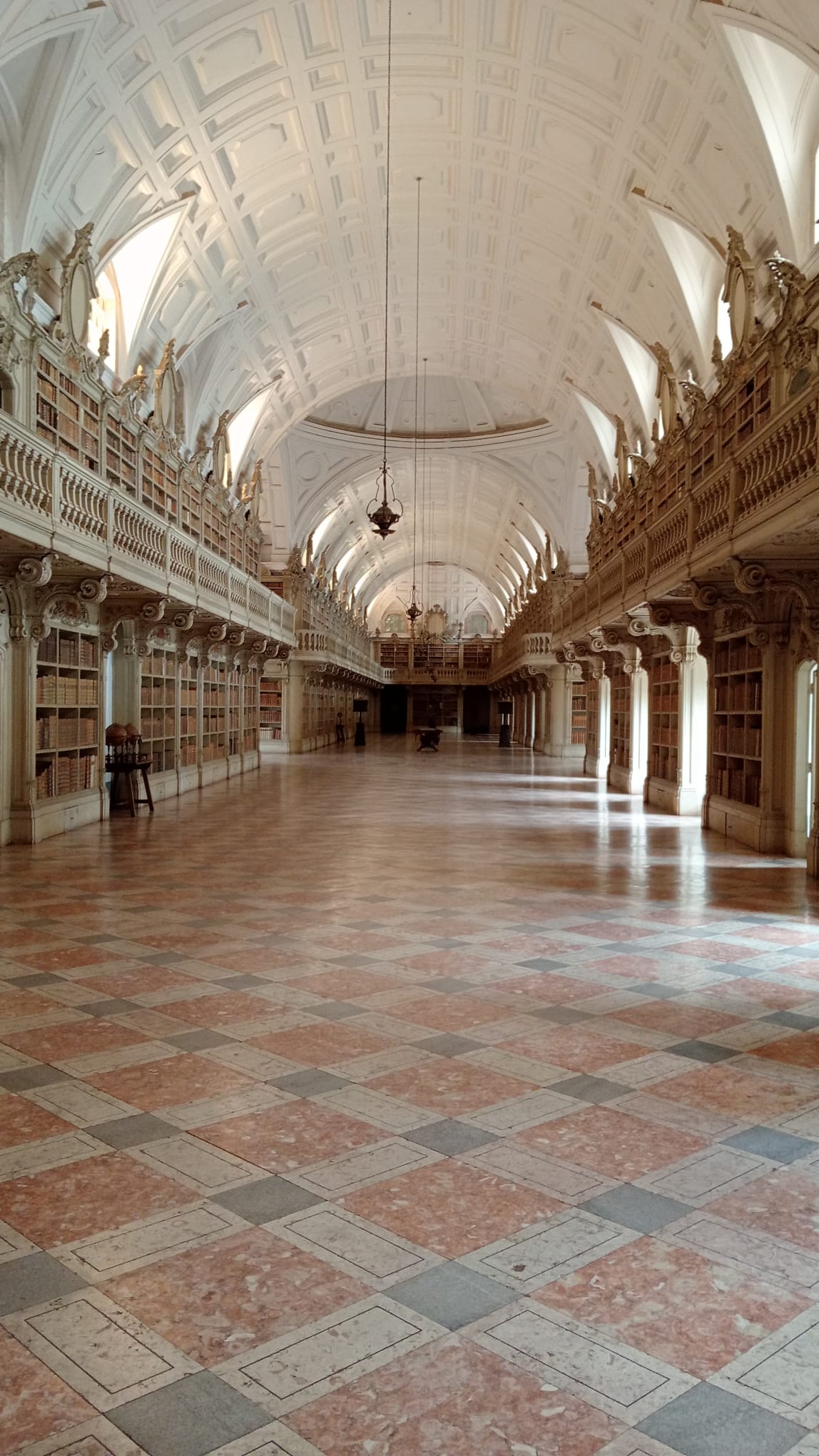
The National Palace and Convent of Mafra, with its fascinating library;
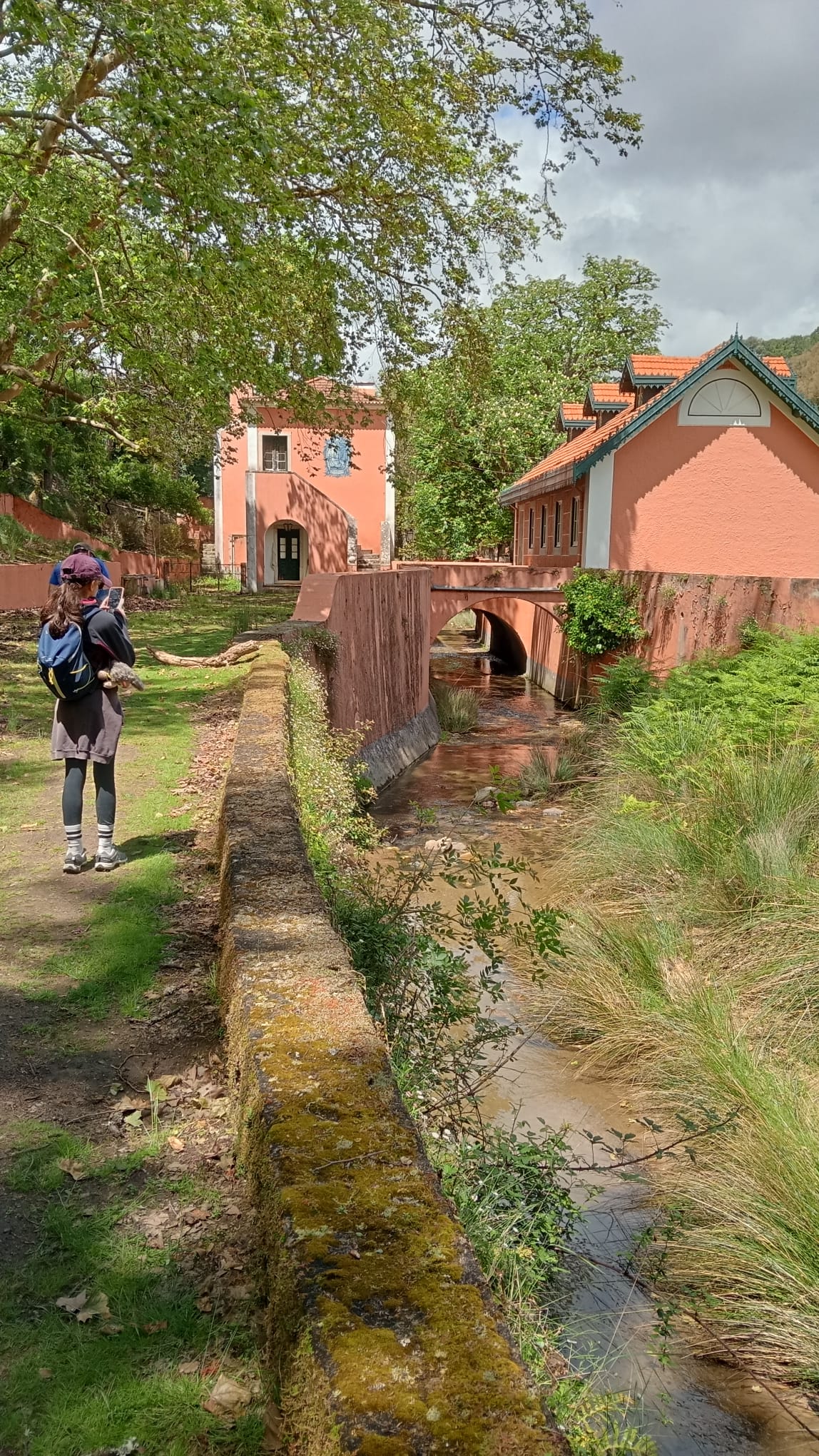
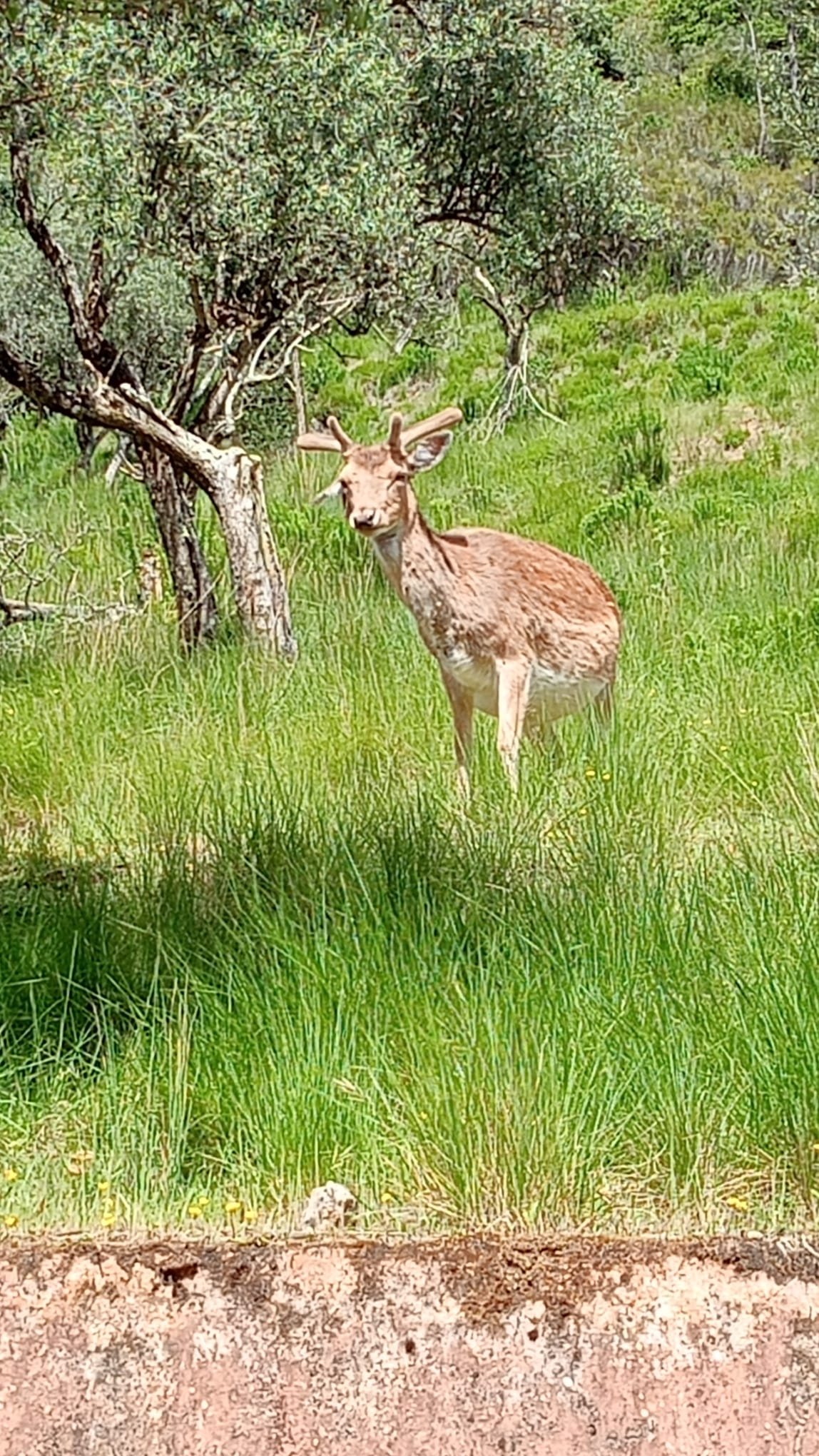
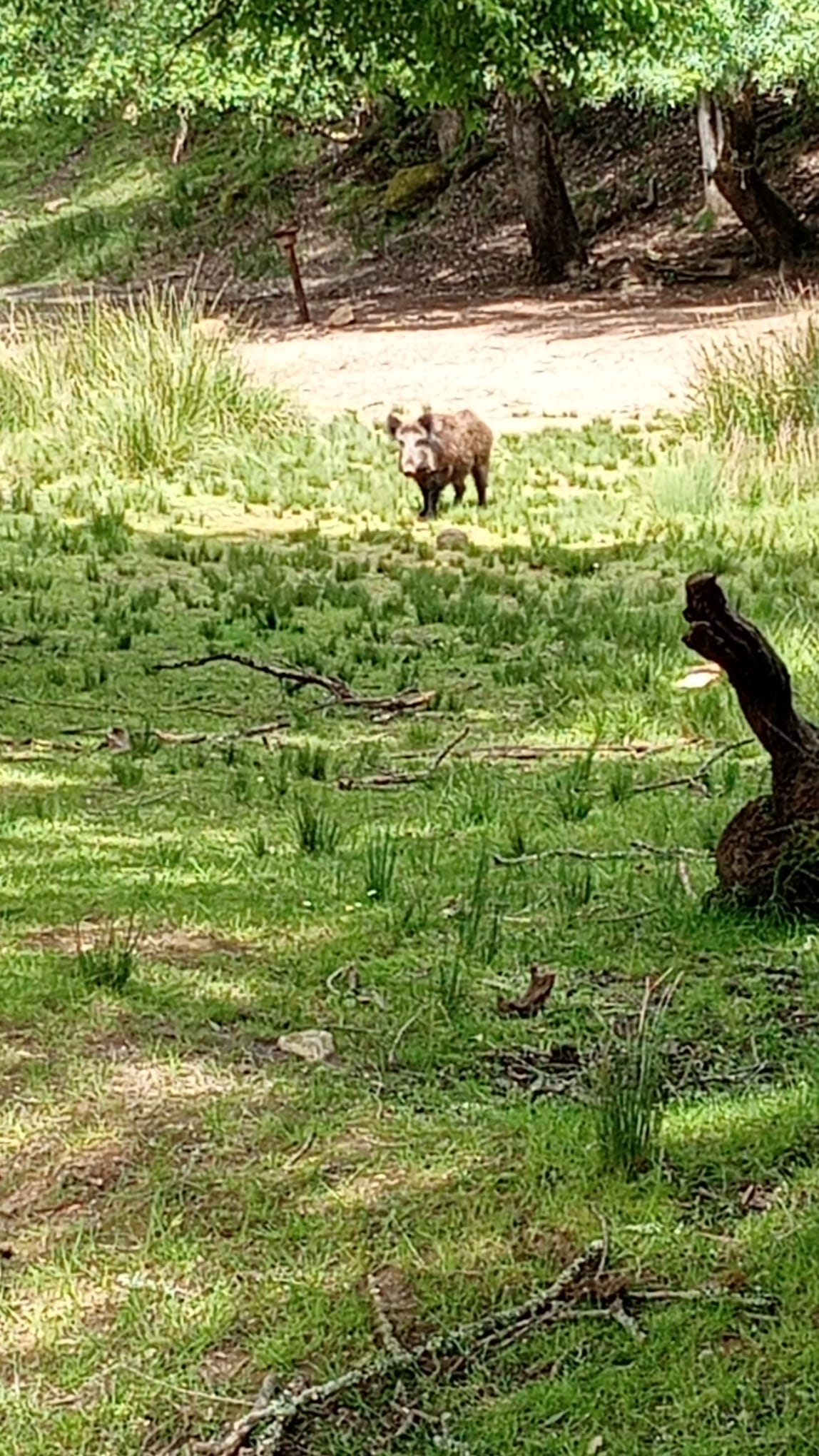
Tapada Nacional de Mafra, located next to the CRLI, a great place for strolling and housing a wide variety of flora, as well as many animals in the wild, such as deer, wild boar, fallow deer, reptiles and birds;
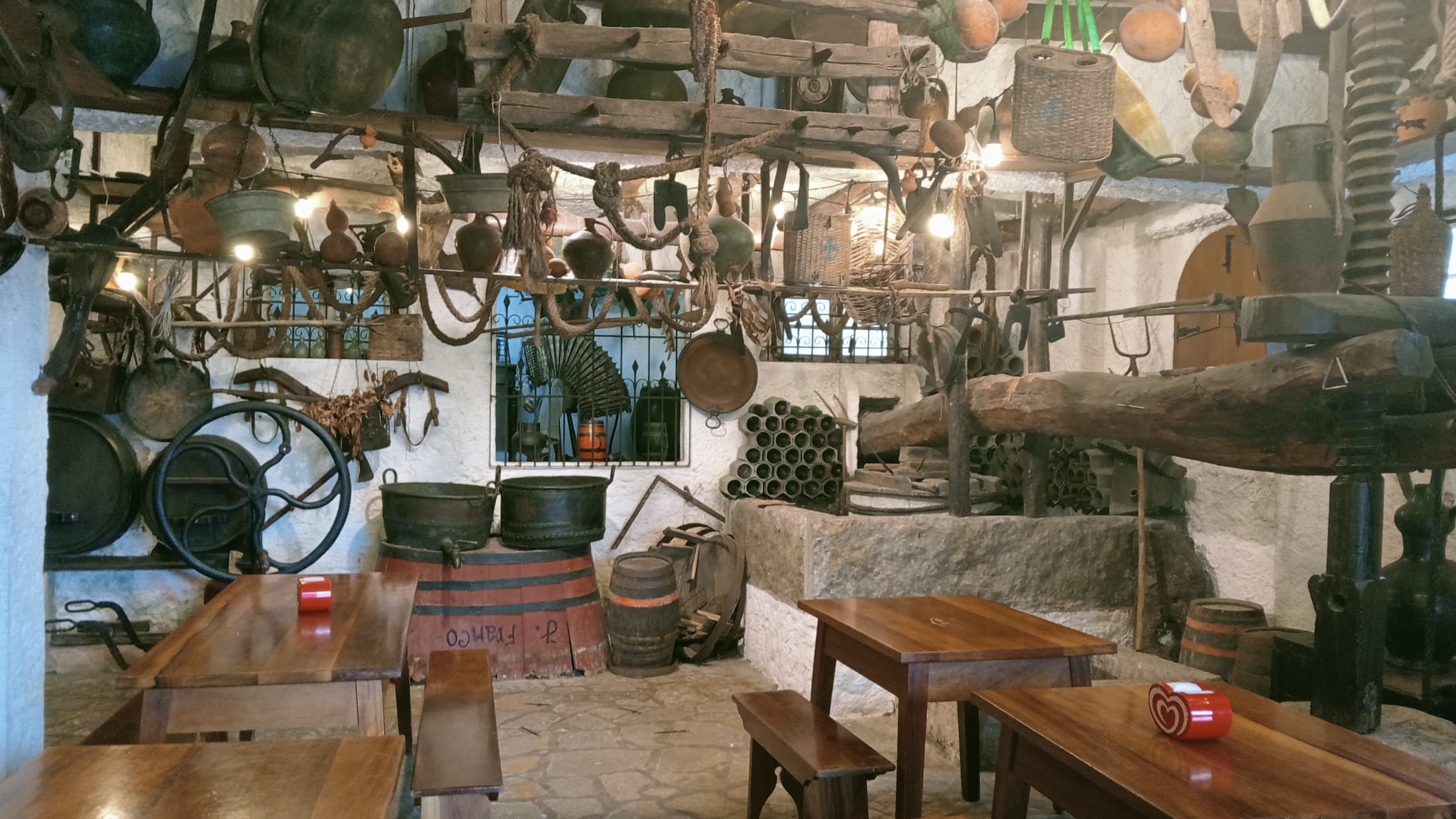
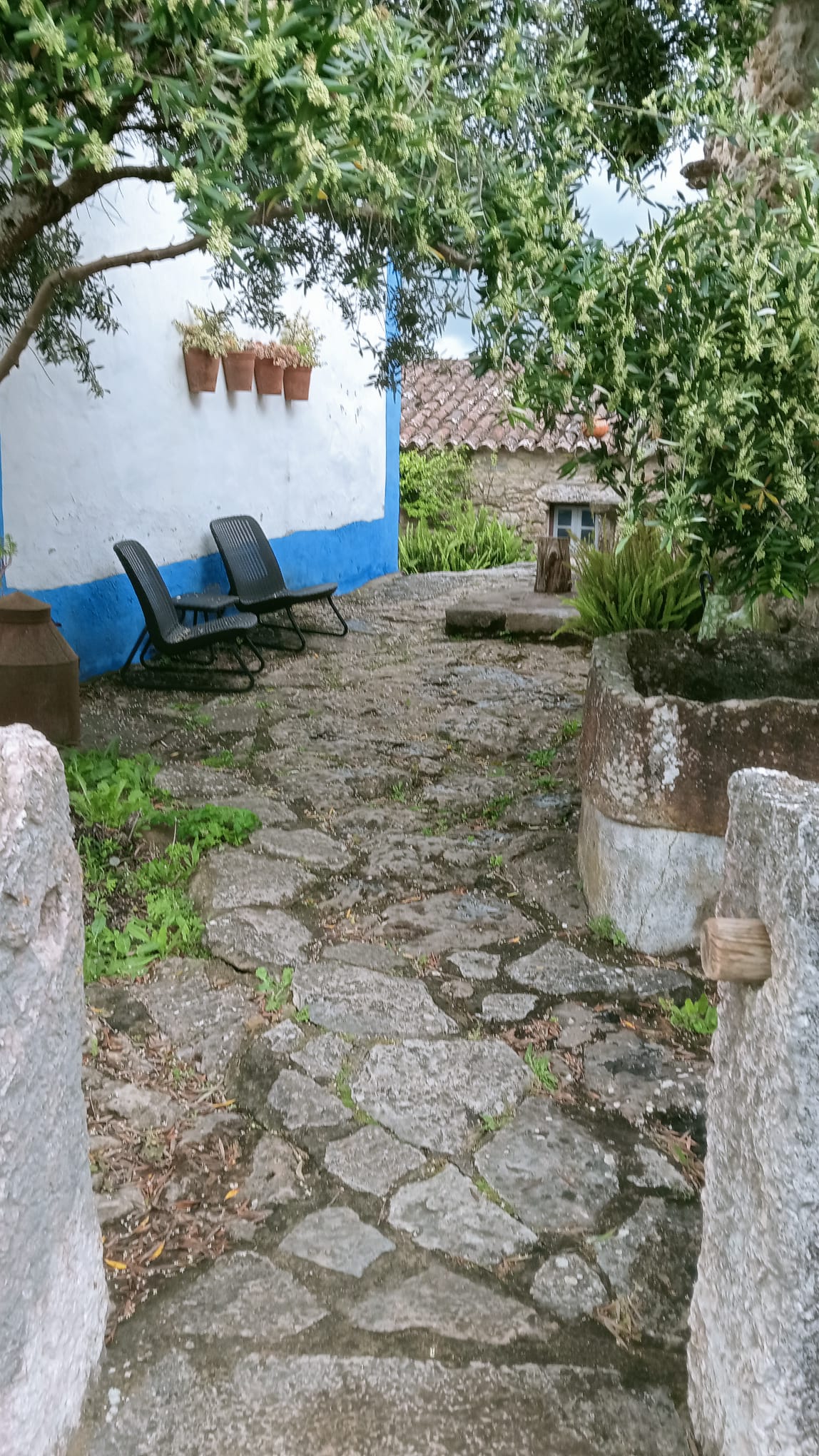
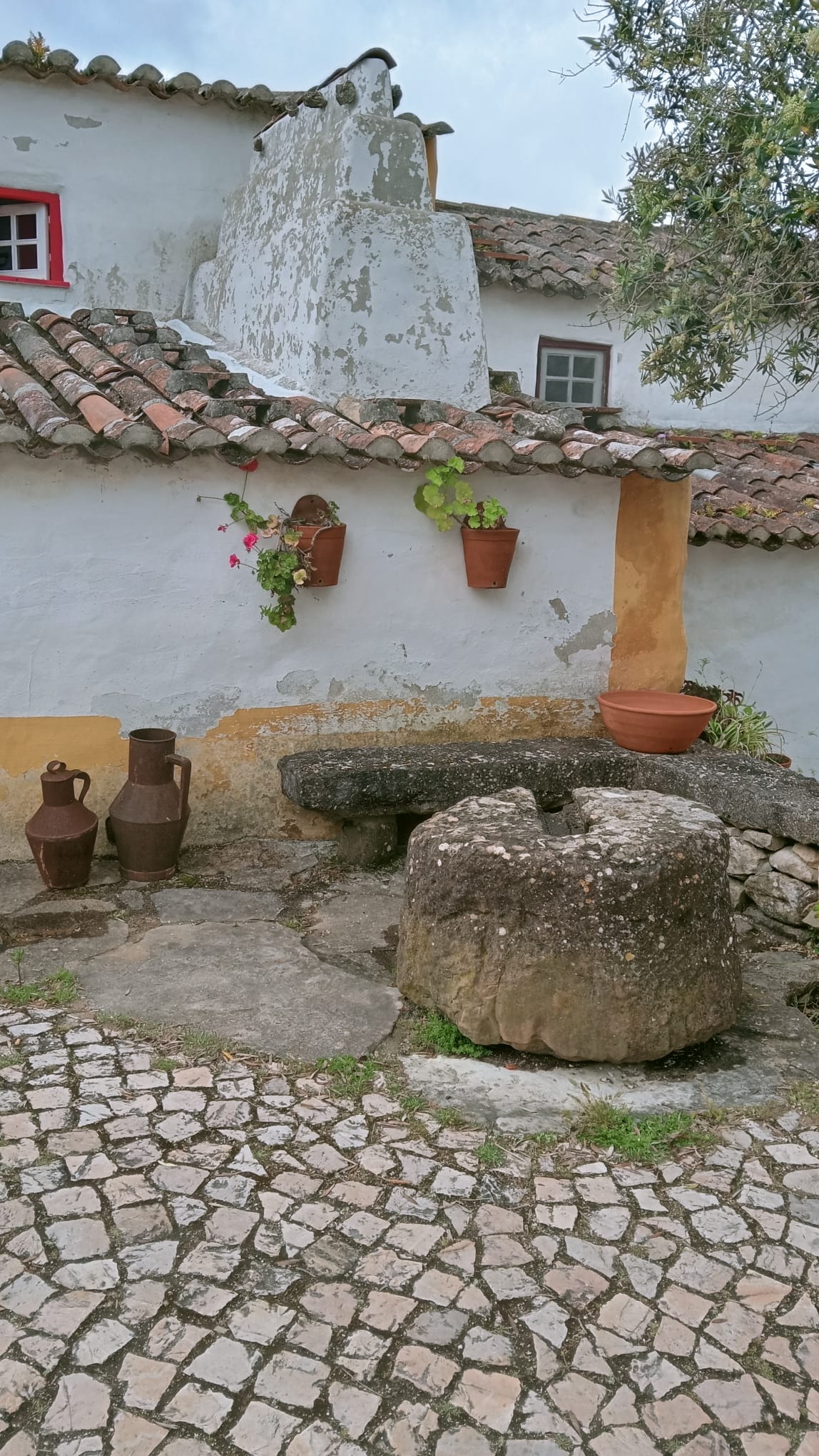
Just outside Mafra, José Franco Village and Mata Pequena offer a glimpse into the region’s traditional rural life. José Franco Village recreates a Saloio village with traditional houses, workshops and everyday scenes, while Mata Pequena is a small, well-preserved rural village surrounded by countryside.
Our visit to the Iberian Wolf Recovery Centre was a wonderful opportunity to learn more about these fascinating animals and the important work being done to protect them.
Have you visited Mafra? Let us know in the comments if you’d like us to share another post about the traditional villages around Mafra and the National Palace of Mafra!