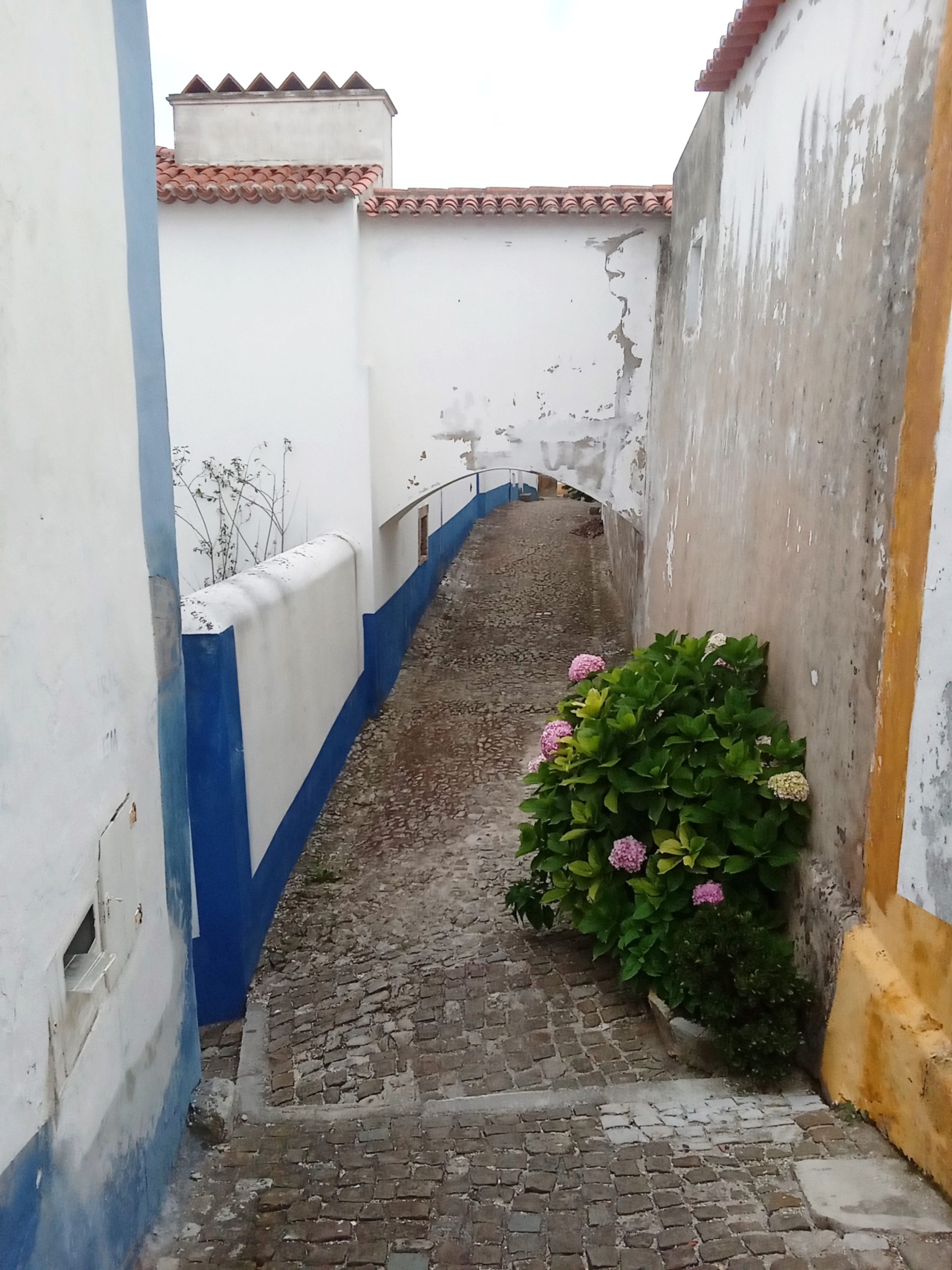
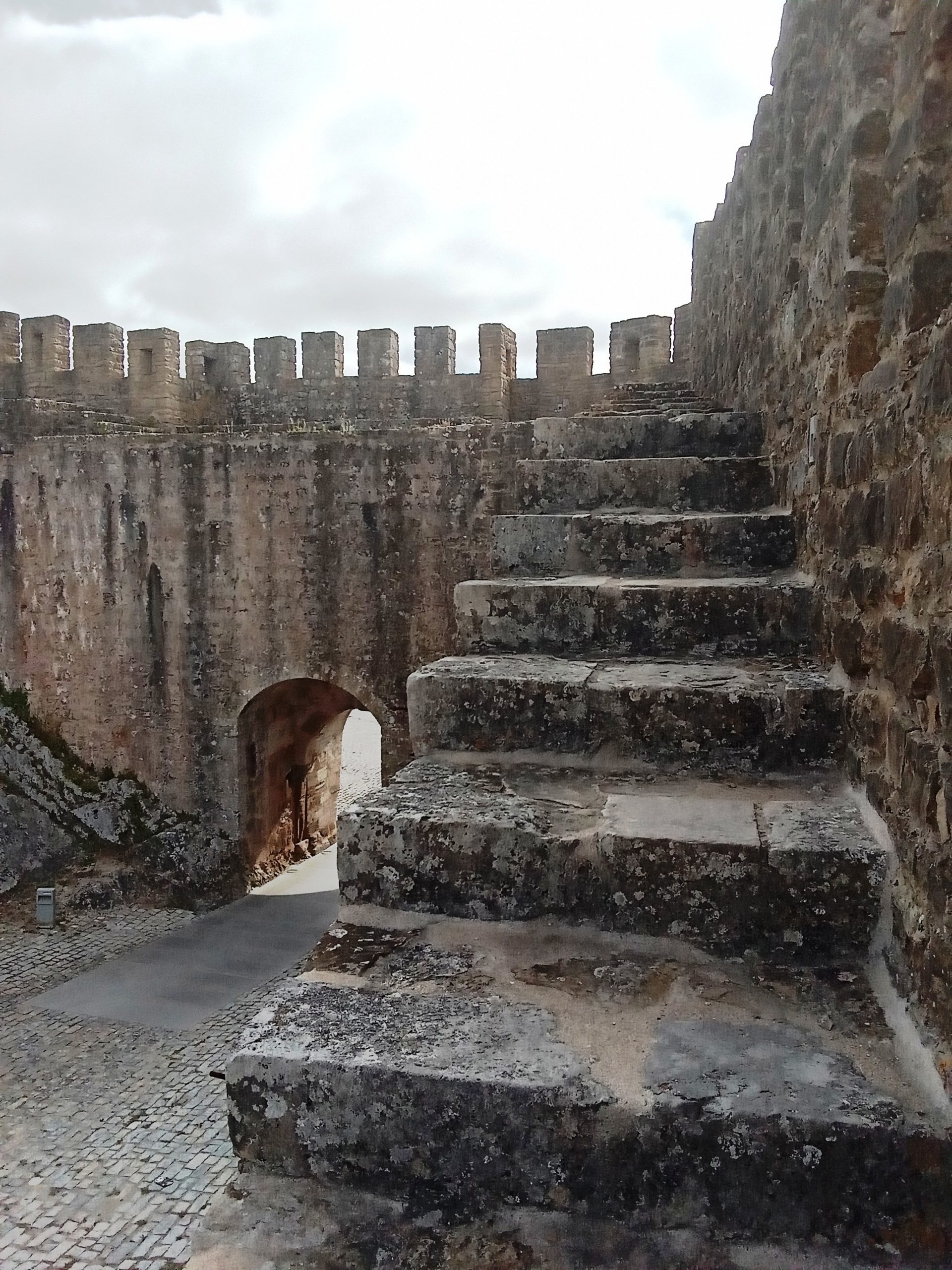
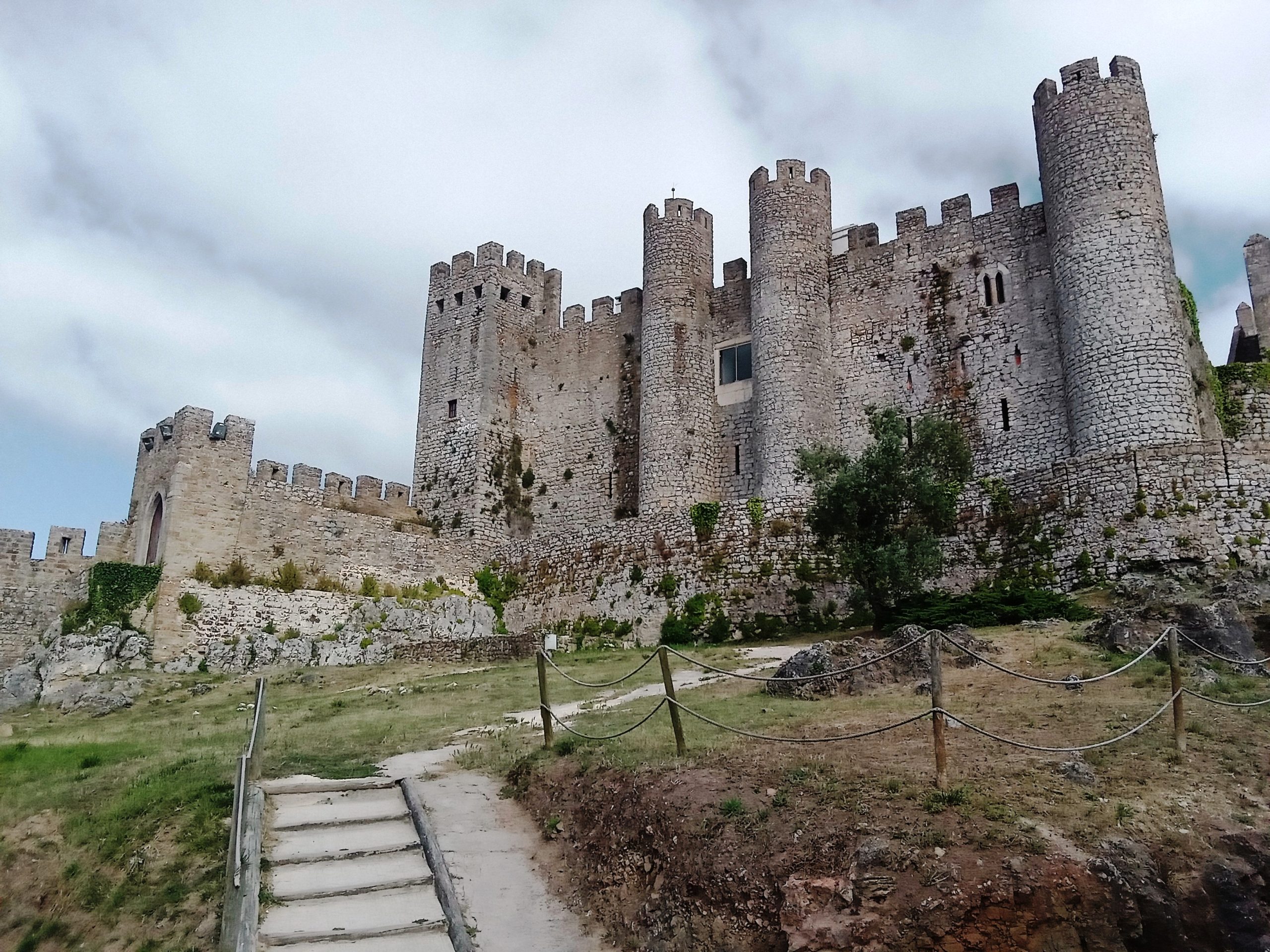
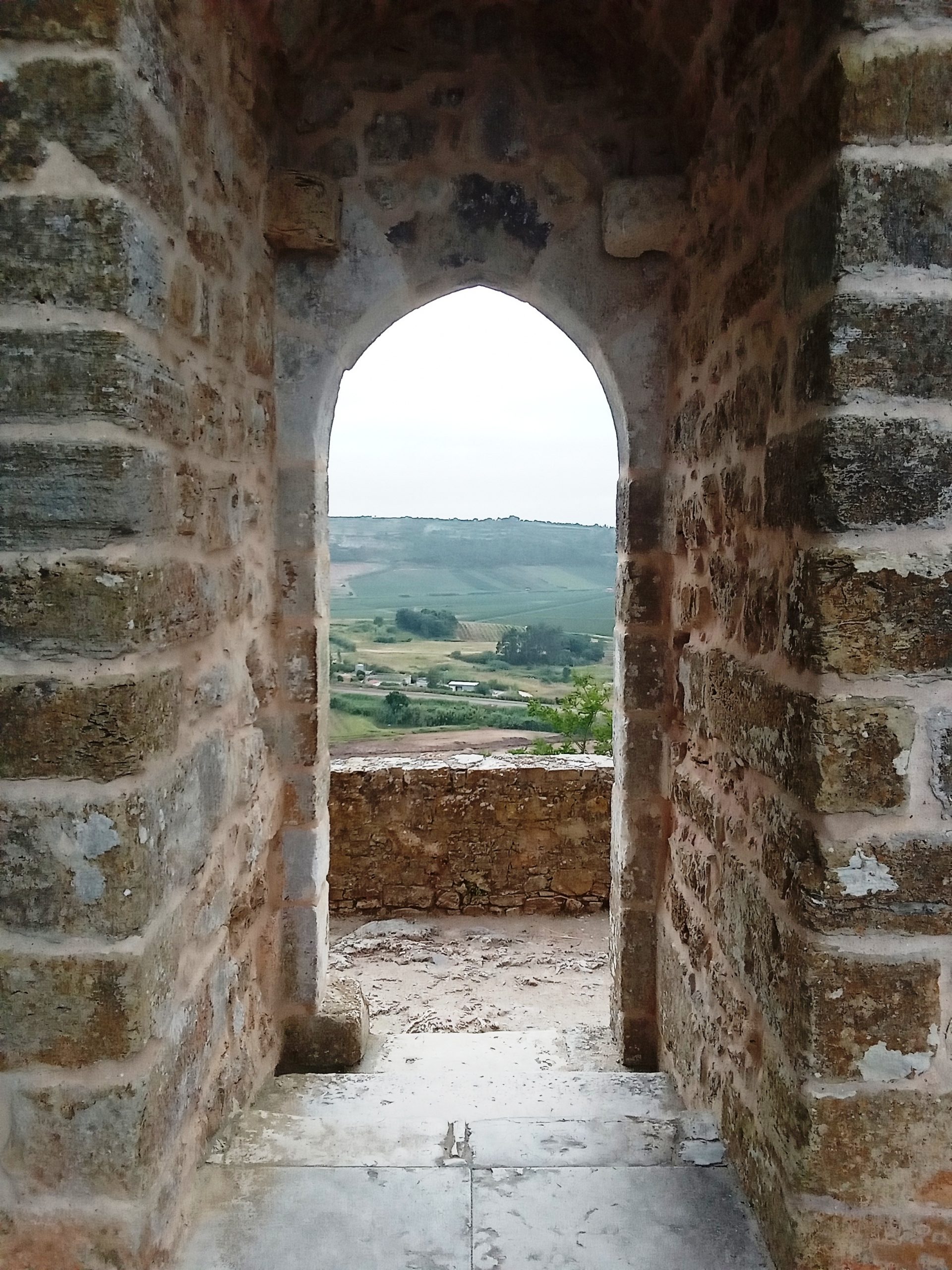
The town of Óbidos is one of Portugal’s hidden gems. Perched on top of a hill, Óbidos – whose name derives from the Latin word oppidum, meaning fortified town – has been fortified since ancient times and still preserves its medieval layout. Its labyrinthine streets and flower-decked houses create a romantic and picturesque atmosphere. The castle was selected as one of Portugal’s Seven Wonders in 2007.
Throughout the year, several festivities attract visitors from near and far, including the International Chocolate Festival, the Óbidos Medieval Market, Óbidos Christmas Village and the FOLIO – Óbidos International Literary Festival. Even outside these events, this charming medieval town welcomes visitors throughout the year, remaining a lively destination full of character.
The history of Óbidos is closely linked to the Portuguese royal family, particularly its queens. In 1210, King Afonso II donated the village to Queen Urraca. Later, in 1282, King Dinis gave Óbidos to his wife, Queen Isabel (known as Saint Isabel), as a wedding gift. From then on, Óbidos became part of the dowry of the Portuguese queens, remaining under their protection for centuries.
This royal connection left a lasting mark on the town. It is often associated with the presence of several churches and religious institutions, which benefited from royal patronage. Queen Leonor, wife of King João II, also had a particularly important connection to Óbidos. Following the death of her son, Prince Afonso, she spent time in the town and founded the Santa Casa da Misericórdia de Óbidos, a charitable institution that played an important role in the community.
In 2015, Óbidos was designated a UNESCO Creative City of Literature, becoming part of the UNESCO Creative Cities Network. However, the Óbidos Literary Village project had started earlier, in 2011, with the aim of revitalising the historic centre through books and culture.
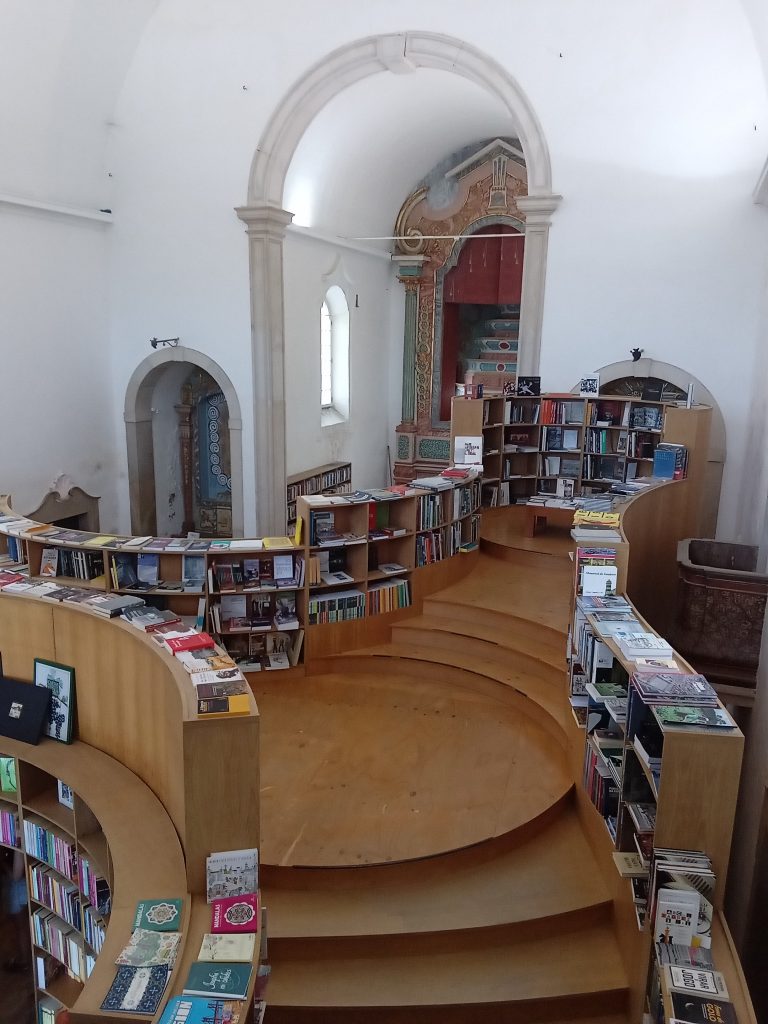
One of its most remarkable initiatives came in 2012, with the opening of what was then considered Portugal’s largest bookshop housed inside a church. Located in the Church of Santiago, within the town walls and close to the entrance to the castle, it became an important cultural meeting point.
Following this initiative, 11 more bookshops opened throughout the town, along with a literary-themed hotel, The Literary Man. Óbidos also attracts writers and authors from different parts of the world, who come here for literary residencies, to develop their projects and present their work.
We visited Óbidos in the late afternoon, at the beginning of summer, when the streets were still buzzing with visitors. We spent some time wandering through its narrow alleys, making our way up to the castle and, of course, stopping to enjoy the famous Ginginha de Óbidos, traditionally served in a small chocolate cup. It’s one of those little experiences you shouldn’t miss!
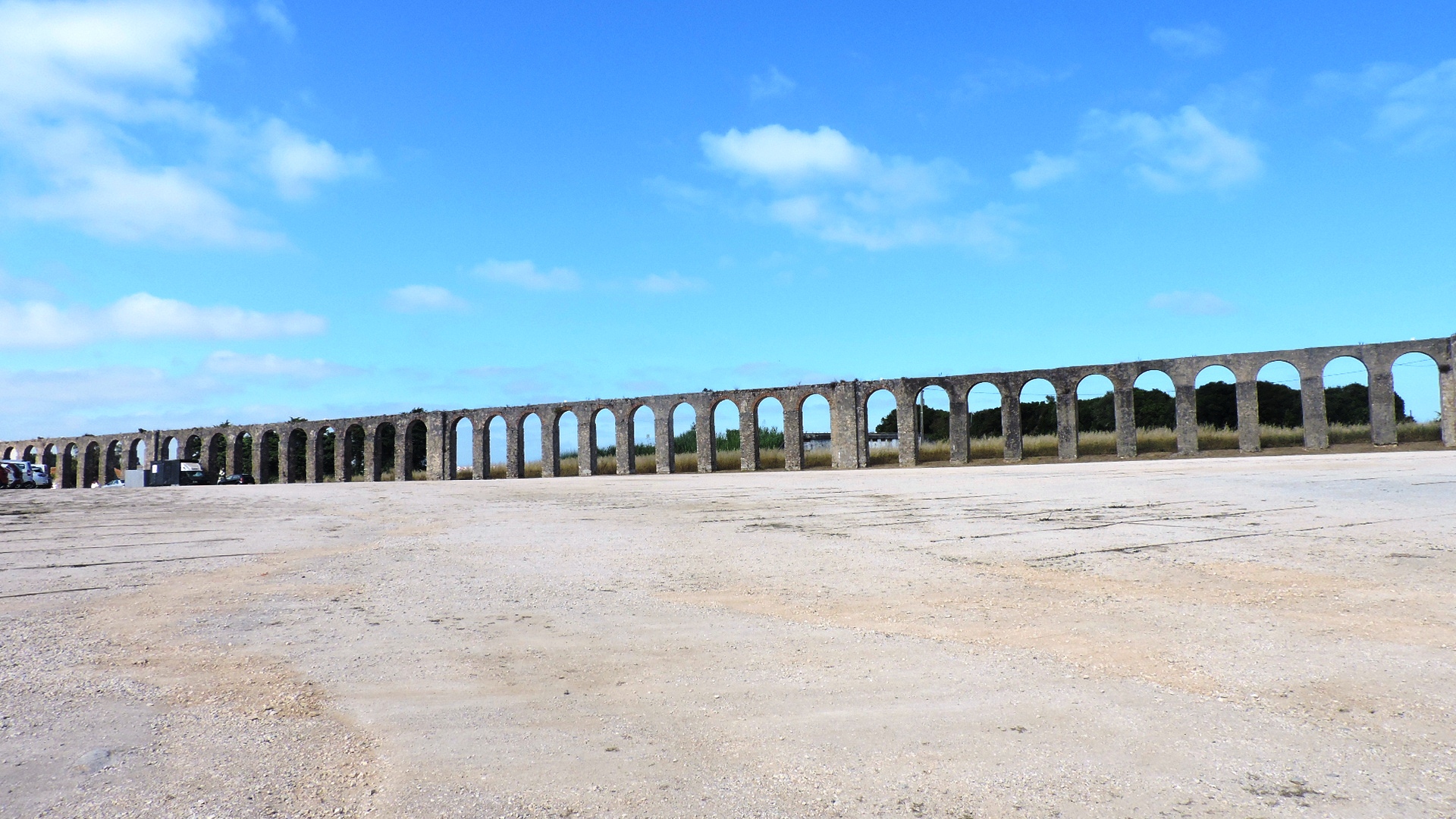
We decided to leave the car in one of the car parks near the Aqueduct of Usseira and begin our walk from there. Below, we’ll share the route we followed and some of the places we discovered along the way.
Tip: Don’t forget to bring your camera. Óbidos is full of beautiful corners worth capturing!
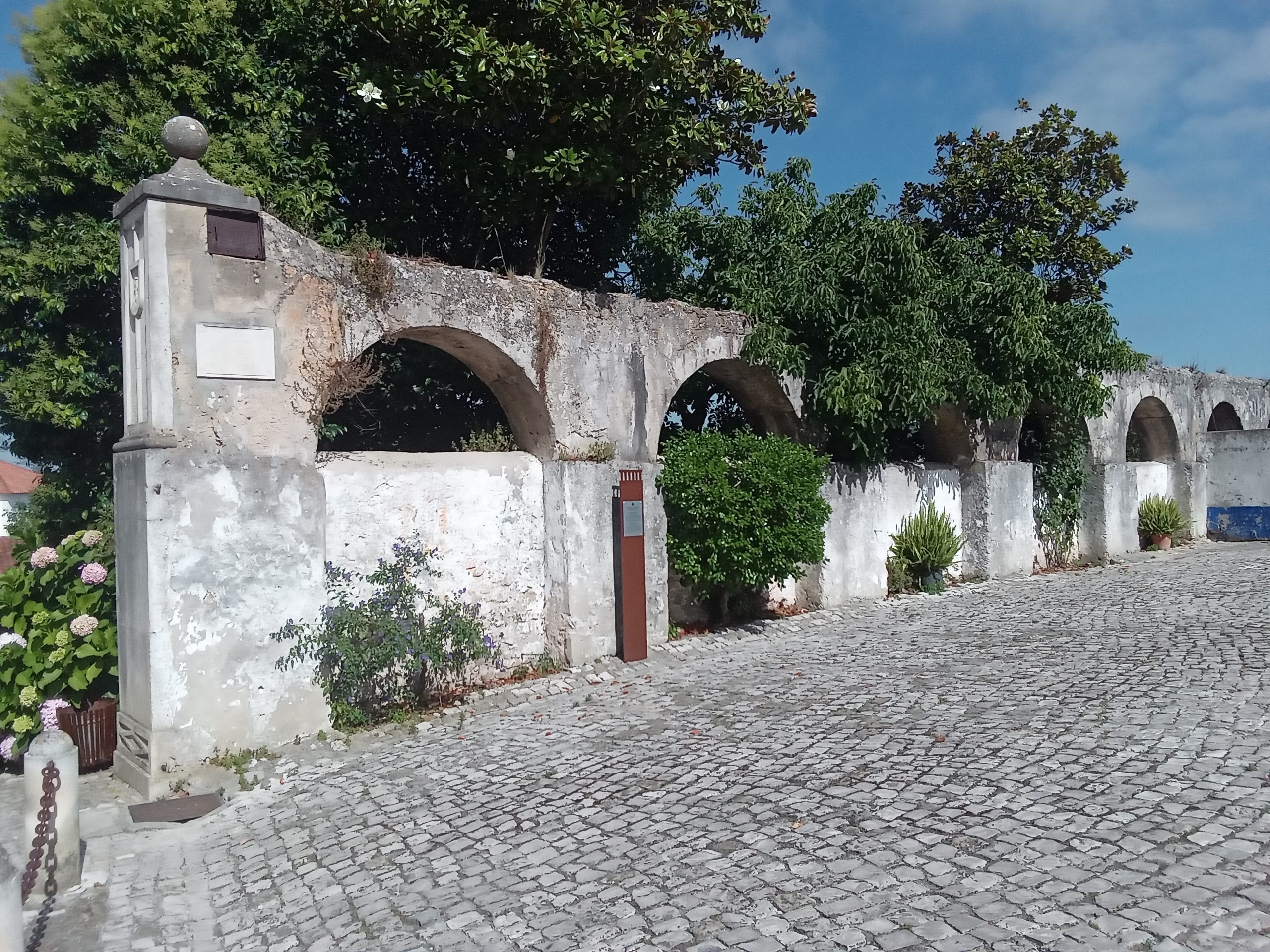
Built in 1573, the Aqueduct of Usseira stretches for approximately 6 km, with both above-ground and underground sections. It carried water from a spring in Usseira to the Chafariz Real (Royal Fountain), in Praça de Santa Maria(Saint Mary Square), as well as to another fountain, Mãe D’Água, near Porta da Vila (Town Gate), which was demolished in the 20th century.
Commissioned by Queen Catherine of Austria, it was the first water supply system in Óbidos. Today, its impressive stone arches remain a striking feature of the landscape surrounding the town.
Town Gate and Our Lady of Piety’s Oratory
Built in 1536, this gateway houses a small oratory dedicated to Nossa Senhora da Piedade (Our Lady of Piety), the patron saint of Óbidos. Inside, the walls are covered with beautiful blue-and-white azulejo tiles depicting biblical scenes.
Passing through Porta da Vila (Town Gate), we enter the walled town. From here, Rua Direita is the main street, connecting the Town Gate to the Castle. Along the way, you’ll find several cafés, craft shops and traditional stores. This is also where many of the town’s historic noble houses are concentrated. Alongside Rua Direita, the other two main streets are Rua de Cima and Rua de Baixo.
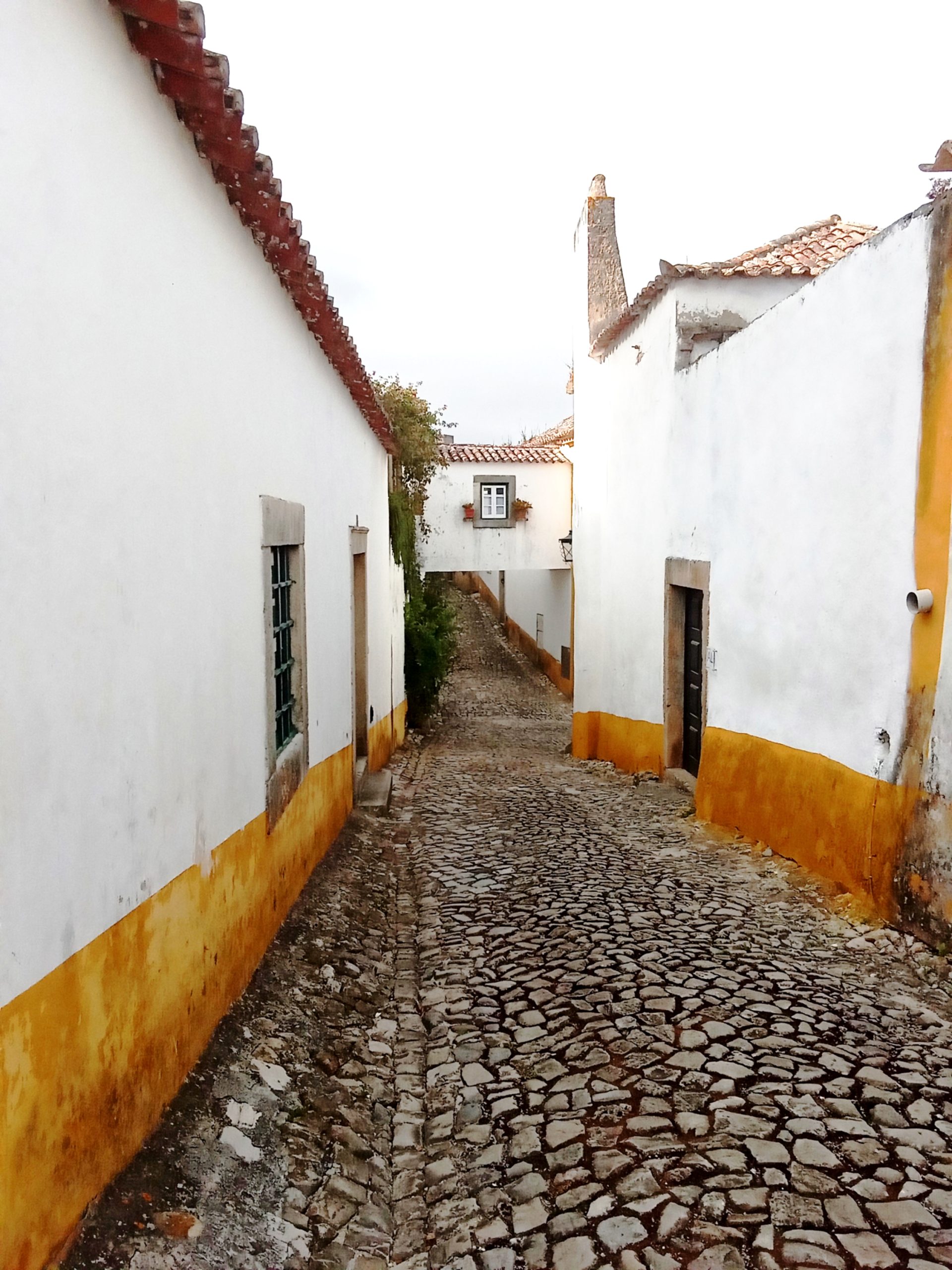
However, don’t limit your visit to the main streets. Take the smaller lanes, wander up and down the steps and discover the charming corners hidden throughout the town. Look out for the Manueline doorways and the beautiful stonework around doors and windows – details that are well worth capturing with your camera.
St. Peter’s Square
This is a more open square where several religious and civic buildings can be found, including Igreja de São Pedro (St. Peter’s Church), Capela de São Martinho (St. Martin’s Chapel) and Paços do Concelho (Town Hall).
Igreja de São Pedro is one of the most important churches in Óbidos. Dating back to the 12th and 13th centuries, it was destroyed by the 1755 earthquake and later rebuilt, incorporating Baroque and Neoclassical elements. The church is also the final resting place of the renowned painter Josefa de Óbidos.
Capela de São Martinho is a chapel classified as a Property of Public Interest. Built in the 14th century, it is a remarkable example of Gothic architecture and is now used as a funerary chapel.
Paços do Concelho, also known as Vigararia Palace, is an example of Mannerist civil architecture. Constructed during the 16th and 17th centuries, it originally served as the residence of the general vicars of Óbidos. In the 19th century, the building became the seat of the Municipal Council.
Saint Mary’s Square
The square was expanded in the 16th century by order of Queen Catherine of Austria, following the demolition of several pre-existing buildings.
Today, it brings together an interesting collection of religious, civic and military heritage, including Igreja de Santa Maria (St. Mary’s Church), the main church of Óbidos, the Pelourinho (Pillory), the Chafariz (Fountain), the former Town Market, Aboim Manor, Brito Pegado Manor and the Old Town Hall.
Óbidos Castle has very ancient origins. It is believed to have originally been a Castro (an ancient fortified settlement), before being occupied by the Romans and later by the Moors. In 1148, during the reign of King Afonso Henriques, it was conquered by the Christians.
During the 1930s, restoration works carried out by the DGEMN (General Directorate for National Buildings and Monuments) gave the castle and its walls their distinctive battlements, in an attempt to recreate their medieval appearance. The towers were also rebuilt, and a Pousada (historic hotel) was constructed on the site of the former royal palace. It was the first state-owned Pousada to be established in a historic building.
Today, you can stay overnight at the Pousada and enjoy a unique experience within the castle walls, surrounded by centuries of history.
The restoration works also transformed the appearance of the entire town. The façades were painted white, creating a more uniform architectural look, while the street paving was standardised to give the historic centre a greater sense of visual coherence.
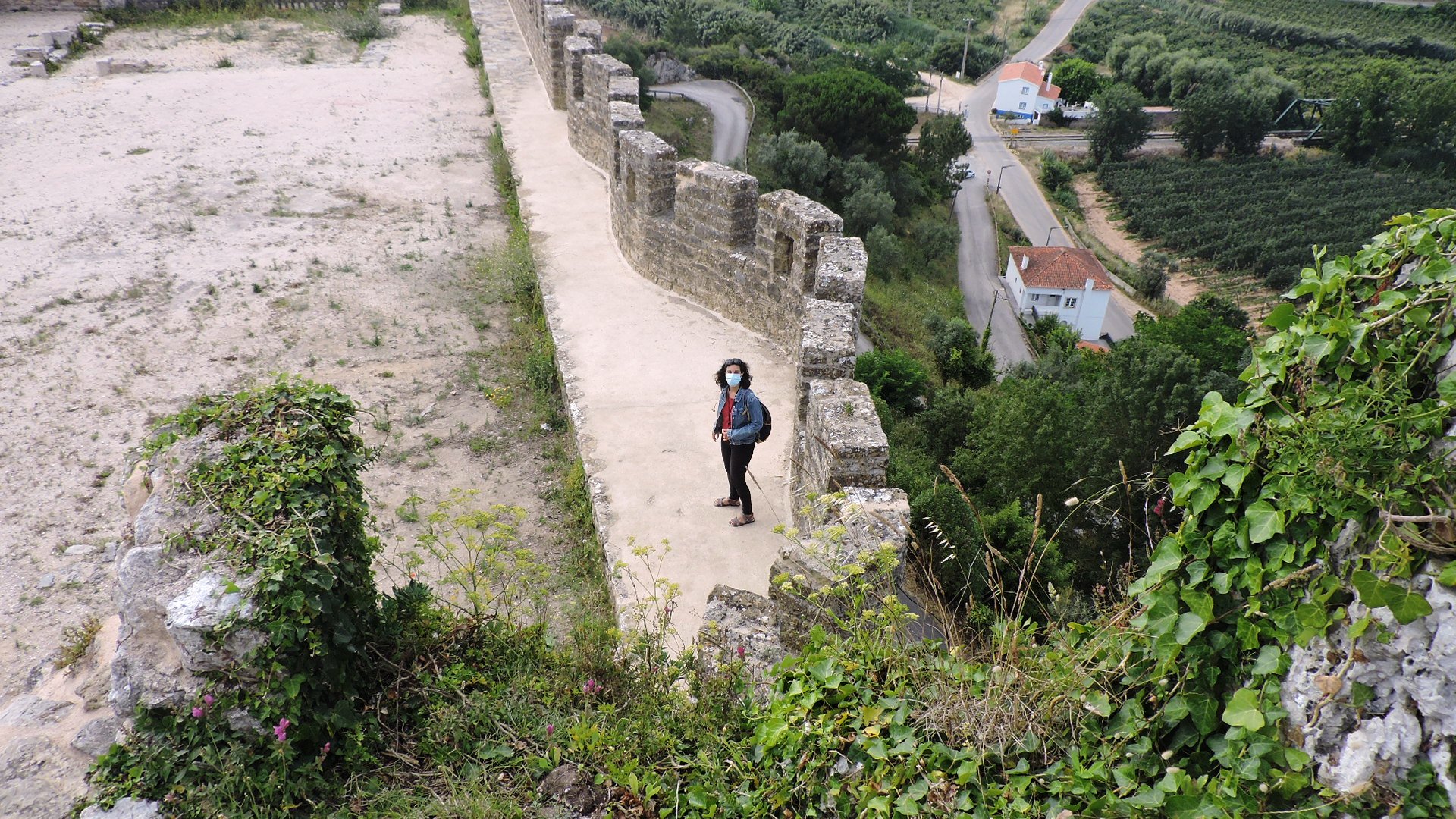
Tip: Walk along the castle walls to enjoy the views over the surrounding landscape. To the west, you’ll see Várzea da Rainha (Queen’s Floodplain), while to the east, you can admire the outskirts of Óbidos and the Sanctuary of Senhor Jesus da Pedra.
Be careful when walking along the walls, as some sections have no protective railings.
St. James’s Church
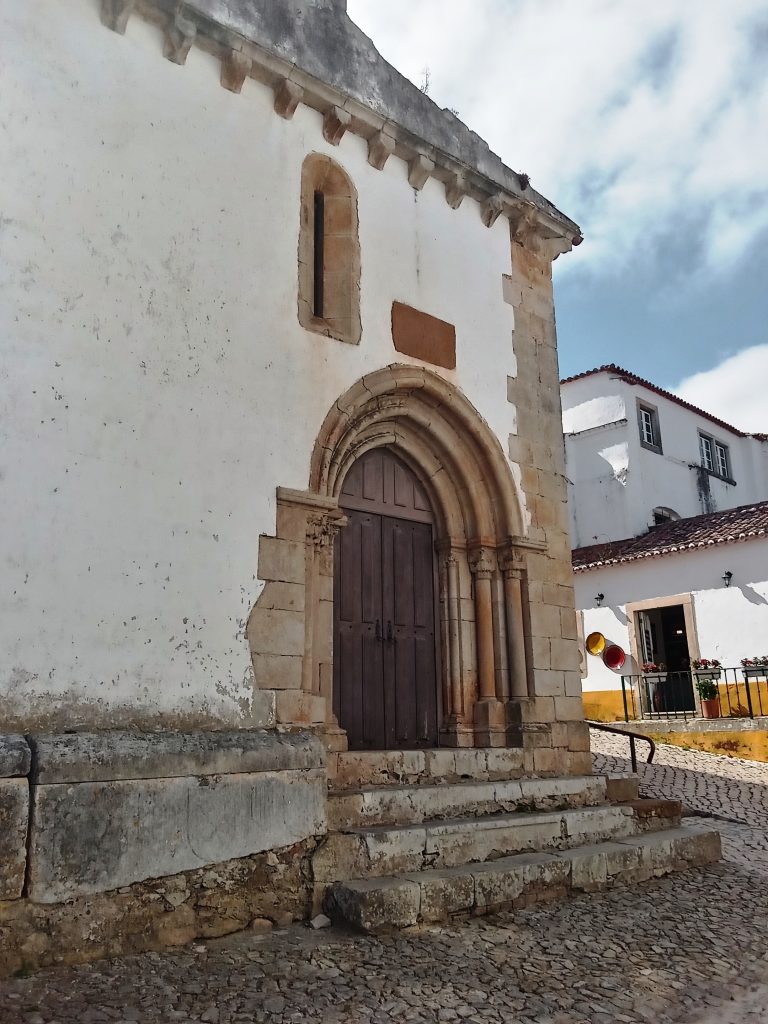
Igreja de Santiago was originally built by King Sancho I in 1186, probably on the site of a former Islamic mosque. The church provided spiritual assistance to the military and to the royal court whenever the queens stayed in Óbidos. It was severely damaged by the 1755 earthquake and subsequently rebuilt, incorporating Baroque and Neoclassical elements.
Today, the church is home to Livraria Santiago, a bookshop where you can browse a wide selection of books.
Climbing the stairs to the former church choir, we discovered a rather special space where poetry and traditional Portuguese bobbin lace (renda de bilros) come together. This is where Natália Santos, known as the Lace-making Poet, creates, exhibits and sells her beautiful bobbin lace jewellery.
We spent some time chatting with her. She showed us her poems, her delicate lace creations, photographs and newspaper clippings documenting the occasions when she had been invited to appear on television programmes. It was a lovely opportunity to discover the person and the stories behind her craft.
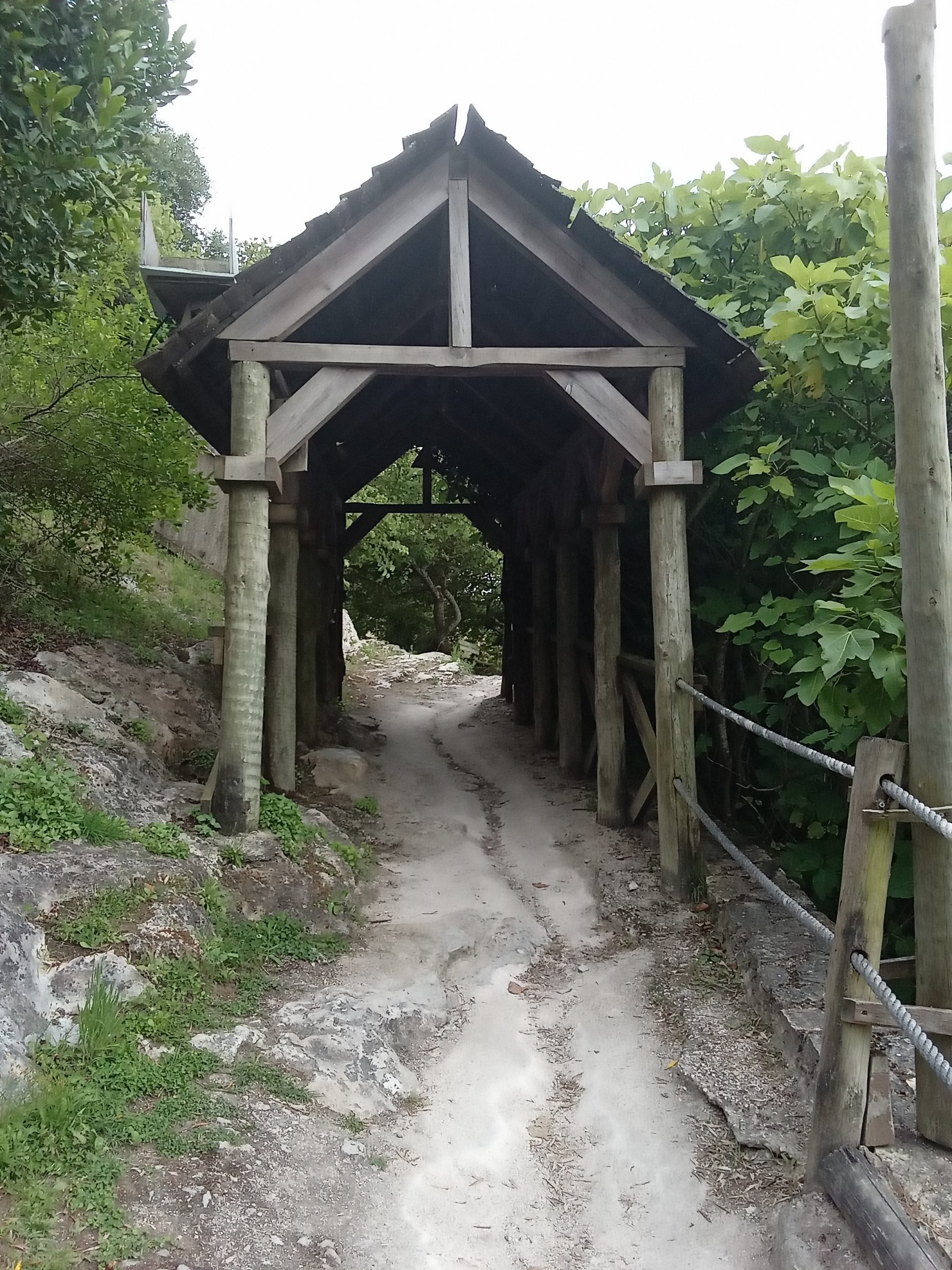
Located on the western slope of the town, overlooking Várzea da Rainha, this park is a lovely place to enjoy a peaceful walk while keeping an eye out for local wildlife. Two families of fallow deer live here, along with other animals such as foxes, wild boar, partridges and wild ducks.
You can start the trail at Porta da Talhada (pictured on the left) and follow the marked path through the park for approximately 1 km. Along the way, the route passes Capela de São João de Mocharro, now known as Capela de Nossa Senhora do Carmo (Our Lady of Mount Carmel Chapel), before ending at Postigo do Jogo da Bola, where you’ll find a magnificent viewpoint overlooking Óbidos.
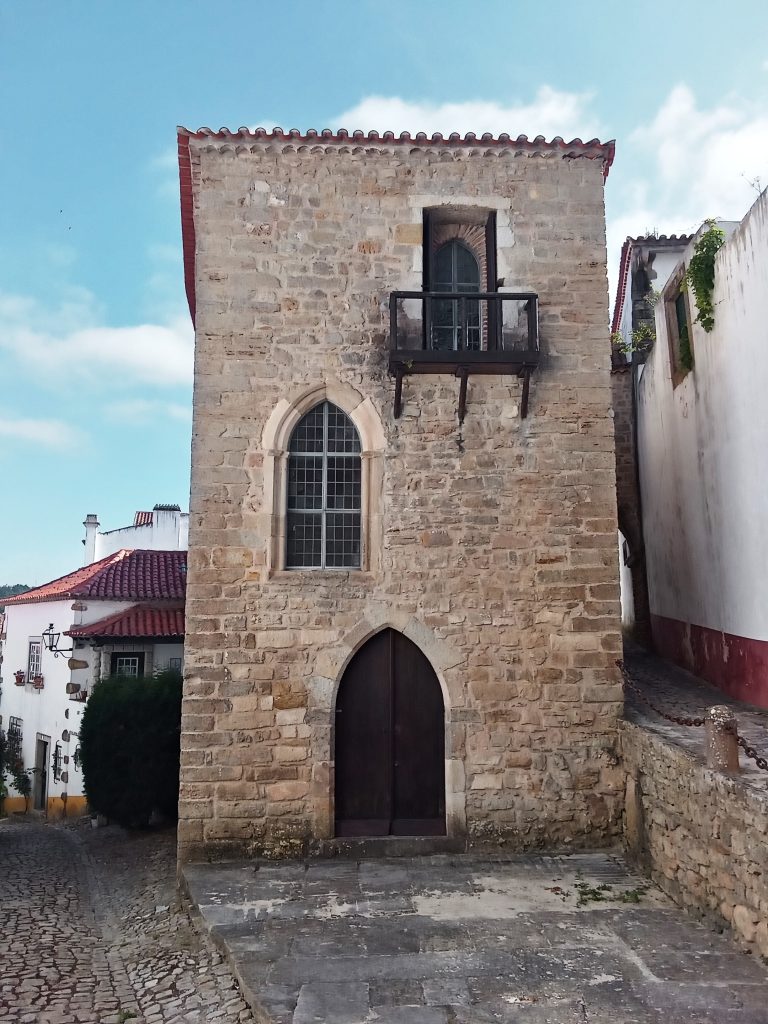
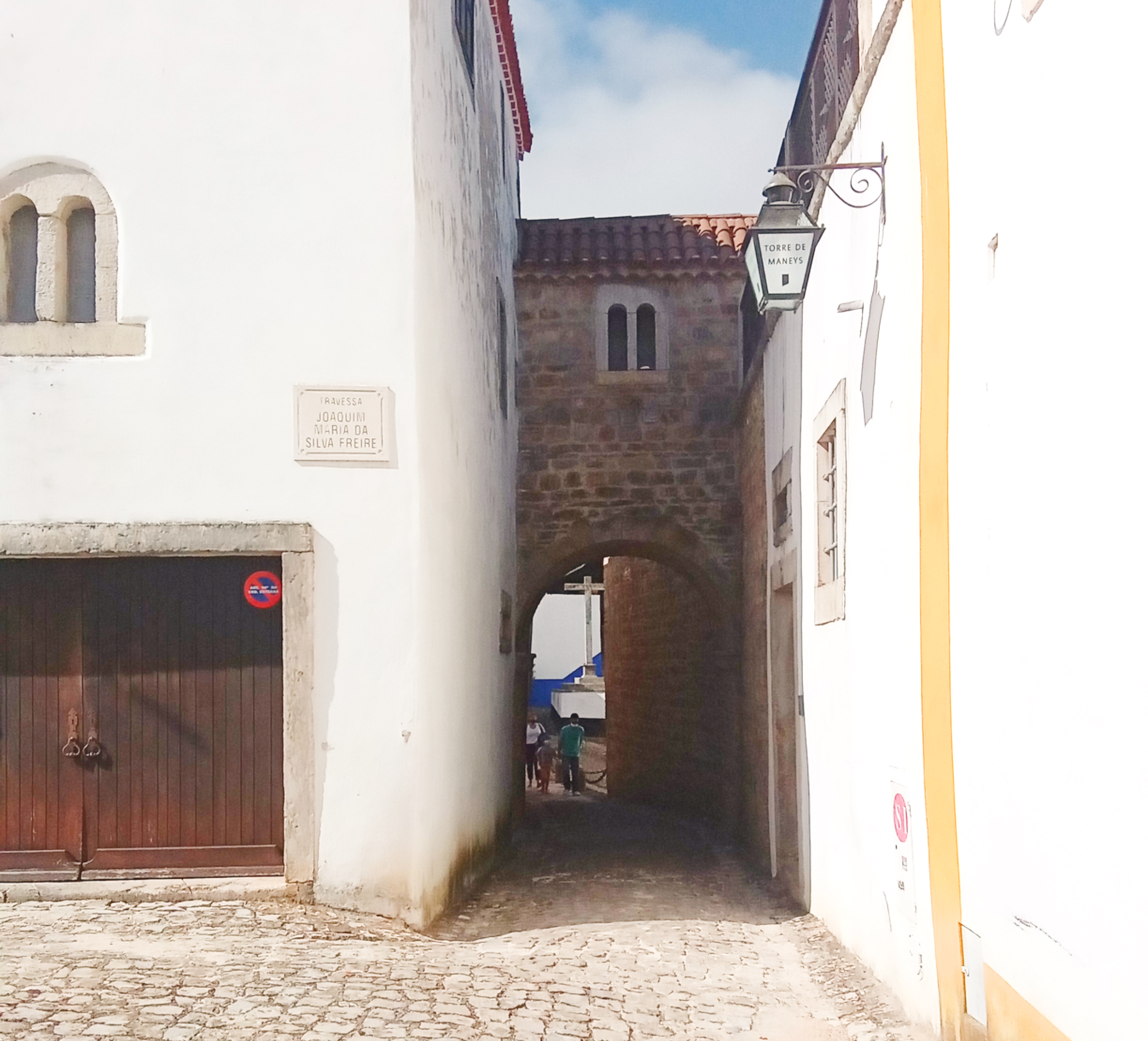
Maneys Tower
We were intrigued by this building, which we had photographed along the way, particularly its beautiful ogival doorways and windows. Curious to learn more about its history, we decided to do a little research. Here’s what we discovered:
Dating back to the 16th century, the tower is believed to have originally served as a storage tower belonging to Óbidos Castle.
It is connected to the house opposite by a covered bridge.
The building was in ruins when it was purchased by a family who regularly visited Óbidos for their holidays.
Following several restoration works, during which numerous historical artefacts were uncovered, it became the family’s holiday home for many years.
In 2014, it was converted into a guesthouse under the Portuguese Alojamento Local accommodation system.
Today, it has five rooms, each named after a member of the family. Interestingly, all their names share the name Manuel.
This family connection is believed to be the origin of the name Torre dos Manuéis, although the spelling Maneys is the one used today.
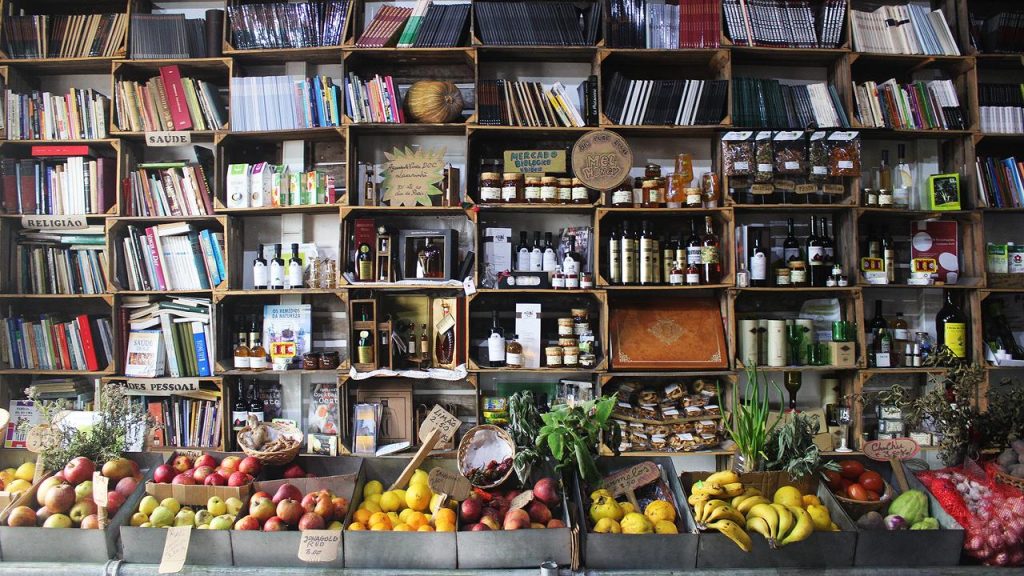
This space combines a biological market with a bookshop, Livraria do Mercado. If you’re strolling along Rua Direita, make sure to stop by and take a look inside. One of its most distinctive features is its bookshelves, creatively made from repurposed fruit crates.
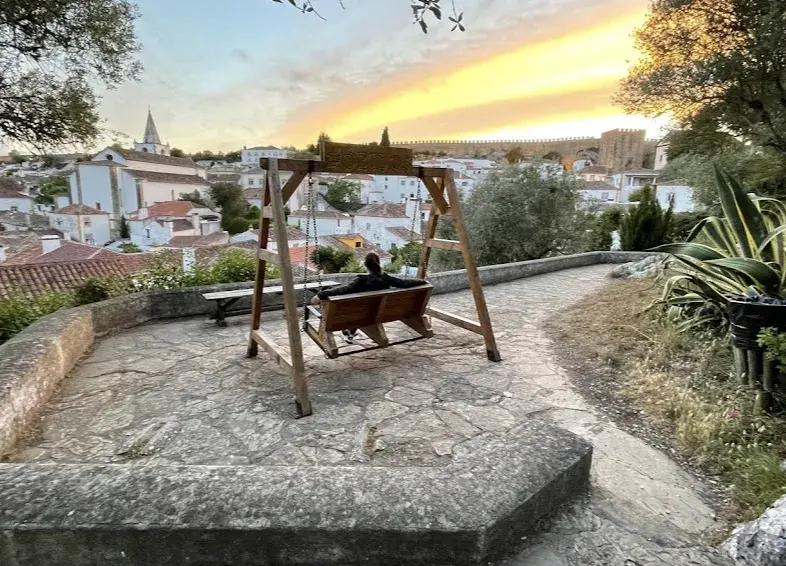
Óbidos Swing
Located at the Serrinha de Cima viewpoint, this two-seater swing offers a lovely spot to pause, relax and enjoy panoramic views over the medieval town.
Town Gate and Our Lady of Grace’s Oratory
We leave the walled town through Porta de Nossa Senhora da Graça, located on its eastern side. Inside the gateway, you’ll find a small chapel-oratory dedicated to Our Lady of Grace.
According to tradition, the image of Our Lady of Grace was offered in thanksgiving following the siege of 1246, during the conflict between King Sancho II and his brother, King Afonso III.
The chapel-oratory was later renovated in the 18th century by Bernardo de Palma, reportedly in fulfilment of a promise made by his daughter, who had died following a tragic love affair with a young man from Óbidos.
Today, the former gateway tower incorporates several religious architectural features, including a chancel, an altarpiece, a choir, a tribune and a sacristy.
Before Rua Direita became the main route into the town, this gateway served as the principal entrance to Óbidos.
During our short visit to Óbidos, we didn’t have time to explore its museums and galleries. However, there are several interesting cultural spaces worth mentioning, so we’ve put together a list for those who would like to discover more of the town’s artistic and cultural heritage.
Óbidos Municipal Museum
One of its highlights is the collection of 16th- and 17th-century paintings, including works by Josefa de Óbidos, one of the most notable Portuguese Baroque painters of the 17th century.
Óbidos Parish Museum
Abílio de Mattos e Silva Museum and Casa do Arco da Cadeia
NovaOgiva Gallery
Interior Design Centre
The sour cherry, known in Portuguese as ginja, is believed to have originated in Asia and to have been brought to Europe by the Romans. Valued for its medicinal properties, particularly its digestive and diuretic effects, the fruit gradually became popular throughout Europe.
The production of liqueurs became possible with the introduction of two essential ingredients: alcohol and sugar. Medieval monks and abbots played an important role in their development, adding alcohol to medicinal syrups to create liqueurs and spirits. Over time, these recipes spread beyond the convents and were passed down to local families in Óbidos.
Today, there are several varieties of ginja liqueur, ranging from the traditional version to recipes flavoured with ingredients such as cinnamon and vanilla. Some of the most appreciated are those made using traditional methods and natural ingredients, such as the liqueurs produced by the local brand Oppidum.
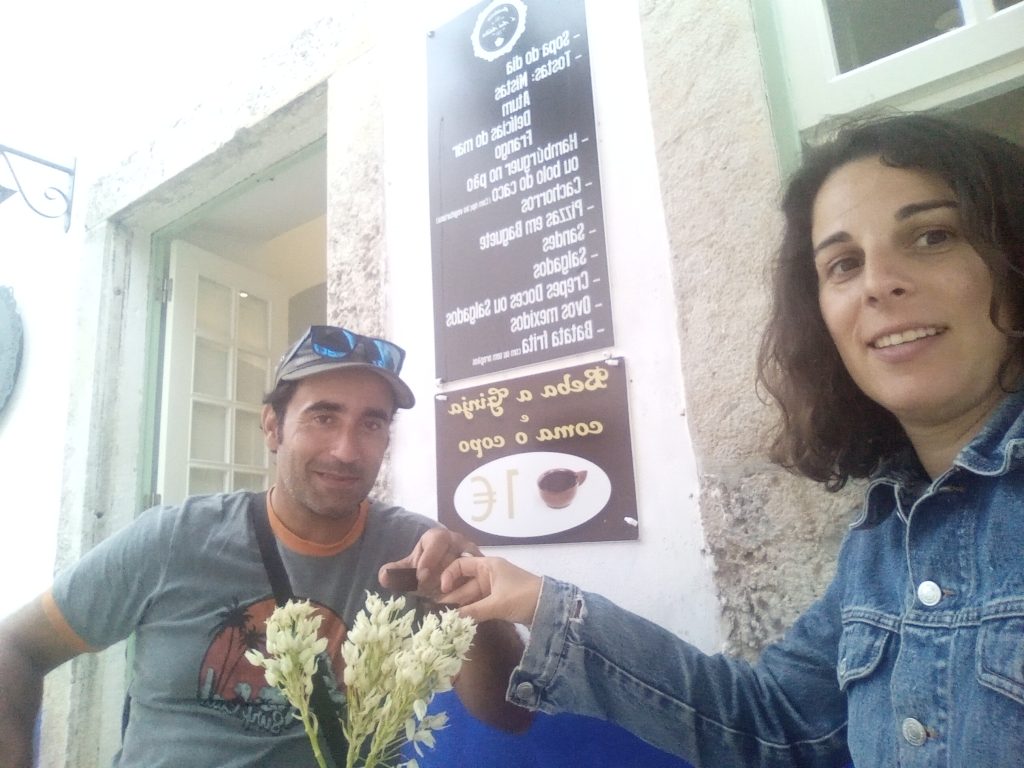
The combination of ginja liqueur and a small chocolate cup has become a classic Óbidos experience. You can find it in shops and cafés throughout the town.
The idea is often associated with the 2005 Óbidos International Chocolate Festival. According to the story, Dário Pimpão, founder of Oppidum, bought a box of chocolate cups and decided to try serving his ginja liqueur in them. The combination proved popular, and the tradition of drinking the ginja and eating the cup was born.
Óbidos Lagoon is the largest coastal lagoon on the Portuguese coast and the only one of three major lagoons in the western region to have survived since prehistoric times, dating back to the Neolithic period.
It is fed by seawater through a narrow channel known as the Aberta (the opening), as well as by freshwater from the Real, Arnóia and Cal rivers, which flow into the lagoon.
Since the 15th century, local communities have been fighting to preserve the lagoon, regularly reopening its connection to the sea to prevent it from becoming increasingly silted up.
Located just outside Óbidos, along the road towards Caldas da Rainha, this sanctuary was designed by architect and military engineer Captain Rodrigo Franco and dates back to 1747.
Its architecture is particularly unusual. From the outside, the building has a cylindrical shape, while its interior is laid out as a hexagonal space. The design also features an interesting play of symmetry, with inverted windows.
On the main altar stands a carved image of Christ Crucified on a stone cross, associated with an ancient religious tradition linked to poor agricultural harvests and difficult farming years. The sanctuary has long been an important place of pilgrimage.
Óbidos is one of those places that stays with you long after you’ve left. Its medieval streets, historic buildings, charming bookshops and little hidden corners make it a destination worth exploring at a slower pace.
Although the village attracts many visitors throughout the year, there’s much more to discover beyond its main streets and famous landmarks. From unexpected encounters and fascinating stories to a glass of ginja served in a chocolate cup, every corner offers something different.
We visited Óbidos on a summer afternoon, but we’d love to return and explore more of its surroundings, perhaps spending a little longer discovering the region.
Have you visited Óbidos? What were your favourite places or experiences? Share them in the comments below. We’d love to hear from you!